Buying Guides | 7 min read
Wing Foil Board Volume by Weight: Size Chart (2026)
2026-07-28 - words by Jonas Reeve | Updated 2026-11-19
- Formula
- kg + 30-40 L
- 80 kg rider
- 110-120 L
- Learning
- Size up
- Downsize
- One bracket at a time
- Best for
- Wing and prone
Wingfoil board volume is the most forgiving variable in foiling, and almost every beginner buys too small. The formula is simple: your weight in kilograms plus 30-40 litres for a learning board. If in doubt, take the higher number - the float buys you attention you'd otherwise spend on balance.
Wing foil board volume by weight
- 55-65 kg: 85-100 L
- 65-75 kg: 100-110 L
- 75-85 kg: 110-120 L
- 85-95 kg: 120-130 L
- 95 kg+: 130-145 L
Shape matters as much as litres
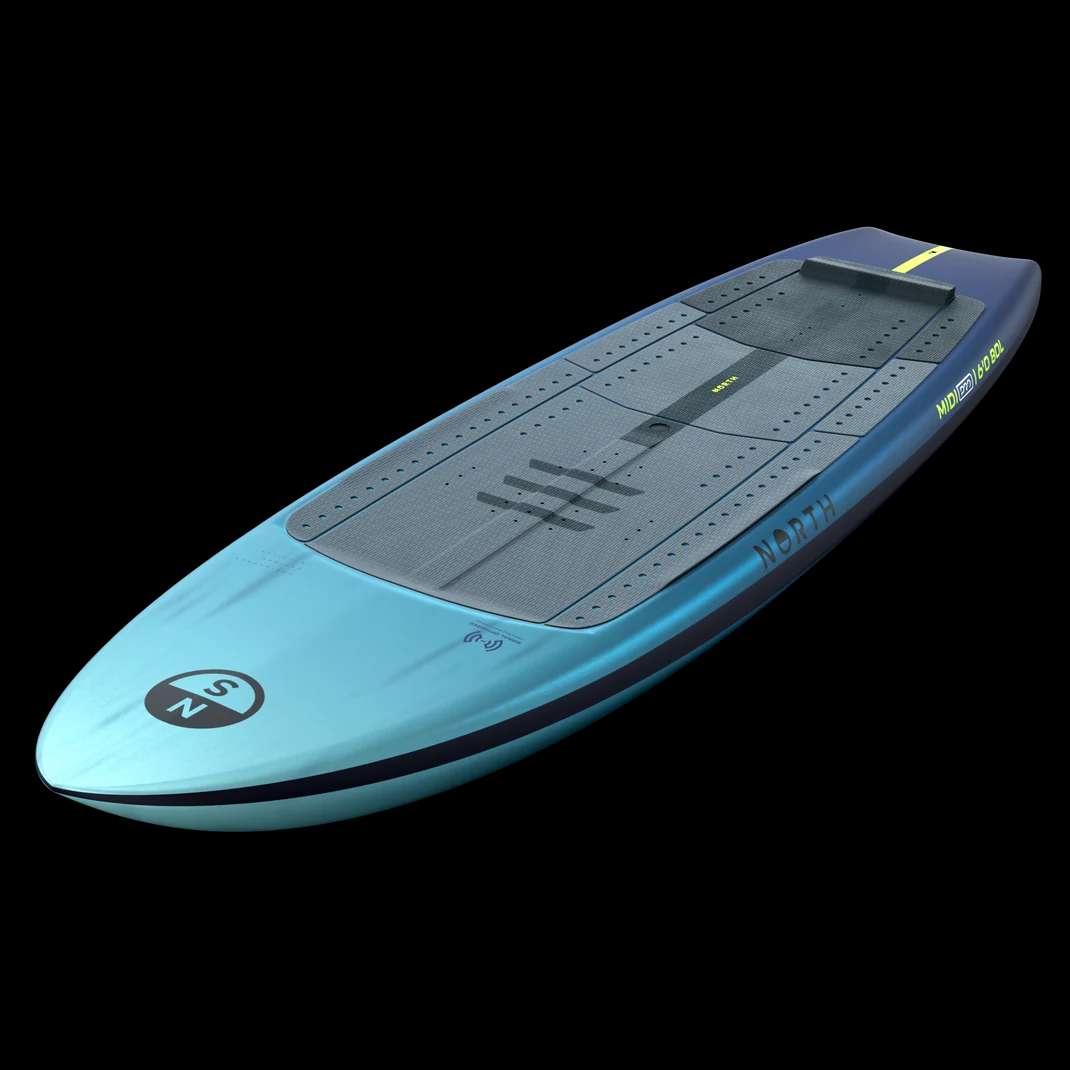
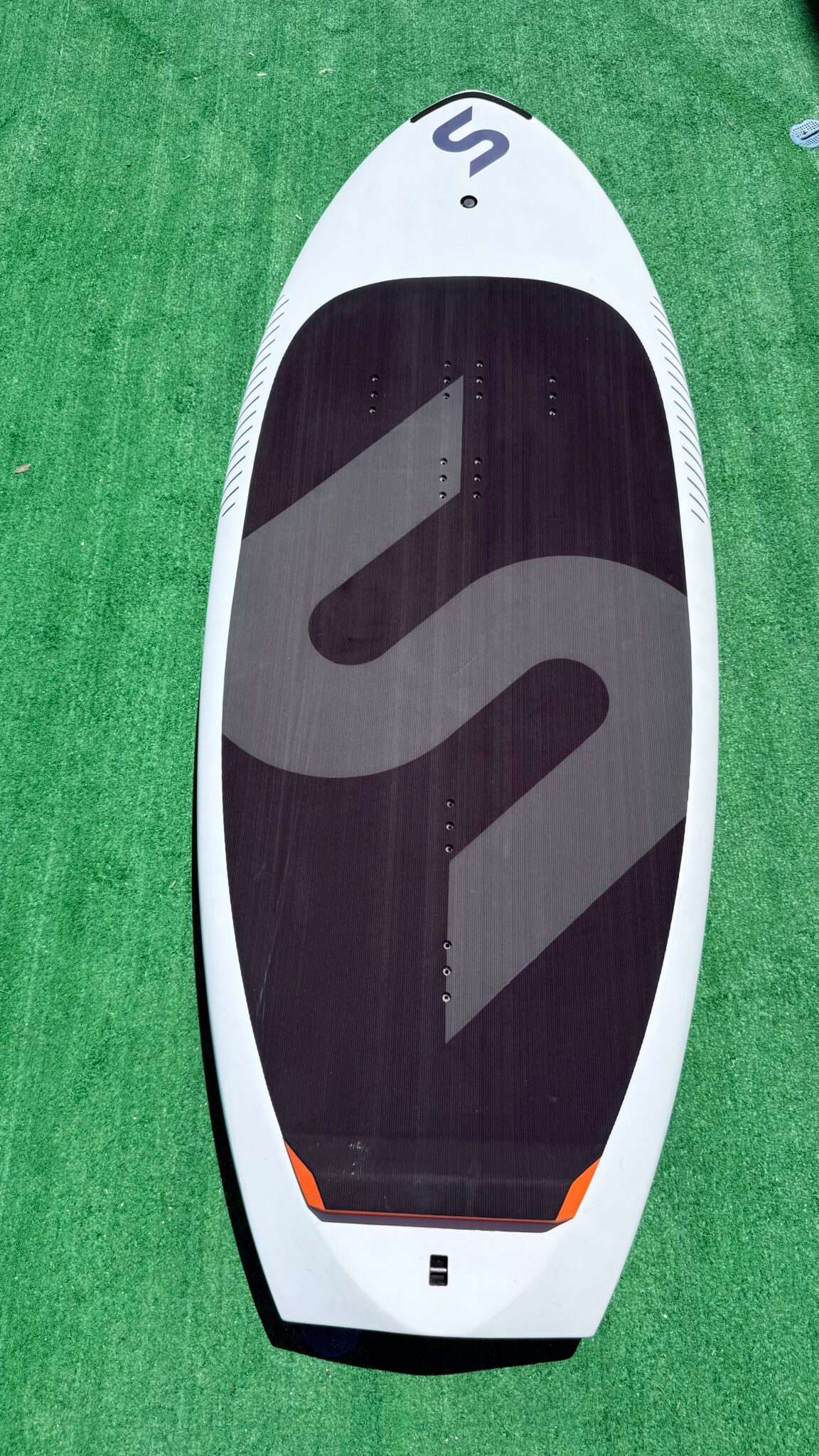
A 120-litre board shaped short and wide behaves differently from a 120-litre board shaped long and narrow. For learning you want a stable midsection and enough length that a weight shift won't toss you. That's why wide all-around wing boards and inflatable crossovers make such good first rides.
When to downsize
When you can consistently ride upwind and are starting to link turns, a smaller board unlocks carving and shaves swing weight. The common path is roughly 120L to 90L to 70L to 55L, but size down one bracket at a time - when your current board is what's slowing you down.
Check the brand chart too
The formula is a starting point, not a rule. Duotone, Starboard, F-One, Armstrong and other brands publish rider-weight ranges for specific boards, and the brand knows its own rails, thickness and foil-track position. When the brand range and the rule of thumb disagree, trust the brand chart for that model - then use the formula to sanity-check the next size up or down.
Wing board vs prone board
This chart is for wing foiling, where you need enough volume to stand, kneel and get going. Prone and downwind boards are much lower volume and sized for paddle takeoffs, so do not use the same numbers. A 120L wing board and a 40L prone board are both correct - for different jobs.
Check your number
Use the foil board volume calculator for a quick estimate, then compare the full size charts and the wing size chart. If you're still choosing a first setup, read how to choose your first foil setup.
Used and outlet boards stretch your budget here, because volume doesn't go stale between seasons. A high-volume inflatable for learning plus a mid-volume hard board for progression covers two years of riding for less than one carbon deck. Browse foil boards or, if you are buying second-hand, use our used foil gear guide to check the foil box, deck and tail before you pay. If you are building a Duotone system, read the Duotone foil compatibility guide before ordering parts. If you also surf, the surfboard volume chart uses different numbers.
Common questions
How many litres does an 80kg rider need?+
For wing foiling, 110-120 litres is the usual learning range. Add 30-40 litres to your bodyweight in kilograms.
Is 100 litres enough to learn on?+
For lighter riders around 55-65kg, yes. Heavier riders should go bigger; a board that's too small makes learning much harder.
Does prone foiling use the same volume?+
No. Prone boards are much lower volume and sized for paddle takeoffs. This chart is for wing foiling.
What is the best wing foil board size for beginners?+
Most adults should start with 110–130 litres, or bodyweight in kilograms plus 30–40 litres. A bigger board makes standing, taxiing and early flights easier; size down once you are consistently flying.
How do I use the wing foil board volume calculator?+
Enter your weight and experience level in the free calculator. It applies the kg + 30–40 litre learning range, then adjusts for intermediate and advanced riders. Use the result as a starting point and check the brand's chart for the specific board.
What does wingfoil board volume mean?+
Volume is the board's internal space in litres. More litres means more float and stability at low speed, which is why beginner boards are bigger. Less volume is easier to turn and pump once you are flying.
When should I drop below 100 litres?+
Only when you can consistently get on foil, ride upwind and link turns. A low-volume board is harder to stand on and less forgiving in light wind. Most riders progress one size bracket at a time.
Is a low-volume board harder to learn on?+
Yes. Less volume sinks more easily and gives you less margin for balance errors. It suits experienced riders who want a responsive feel, not first-timers.
Filed from the beach — Foilsummit Journal