Buying Guides | 7 min read
Board Bag Sizing Guide: Fit, Padding and Travel (2026)
2026-11-21 - words by Foilsummit Crew
- Length
- Board + 5–10cm
- Width
- Board + 5cm
- Foil
- Separate bag
- Travel
- Wheels/padding
- Airline
- Check limits
- Fit
- Snug, not tight
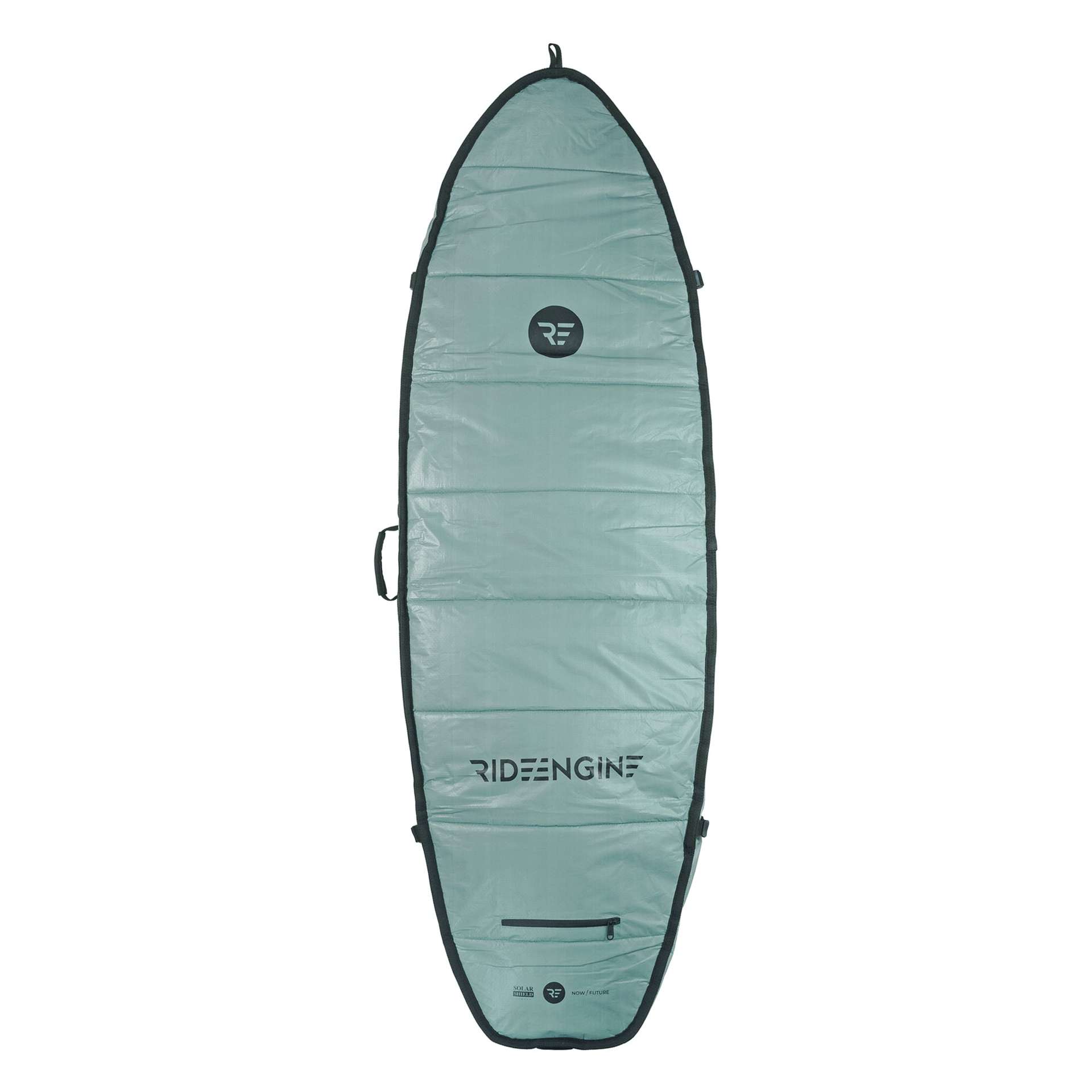
A board bag is not just a cover. The right size protects the rails, nose and tail, and leaves room for a towel or wetsuit as padding. The wrong size lets the board slide around or puts pressure on the foil box.
Measure the board
- Length: tip to tail.
- Width: widest point.
- Thickness: rail to rail at the thickest point.
- Foil box: note the track position and any protruding hardware.
- Bag allowance: add 5–10cm in length and about 5cm in width for padding.
Bag size
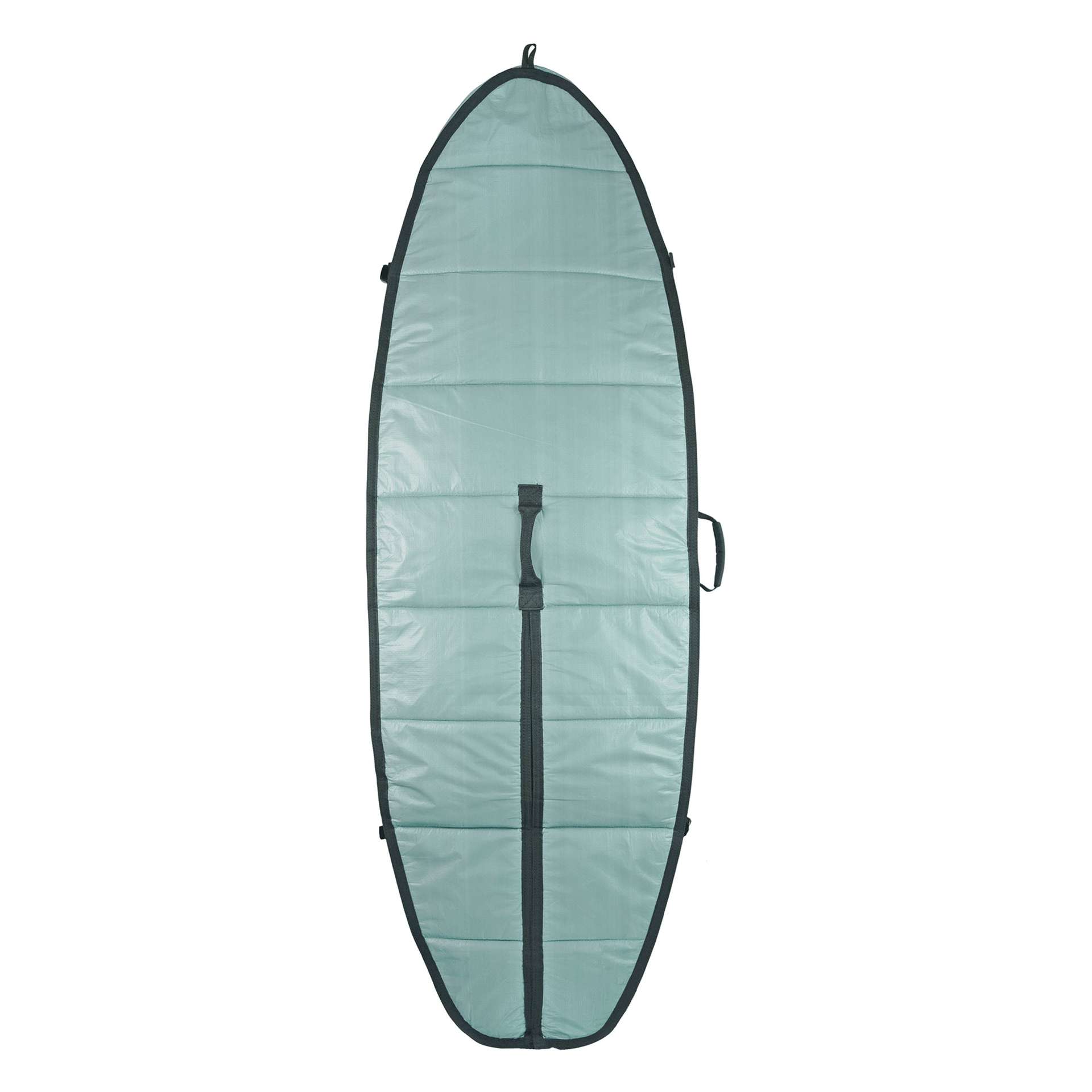
Choose a bag that fits the board with a little room, not a loose sack. A bag that is too long lets the board slide; a bag that is too tight is hard to zip and puts pressure on the nose and tail. If you travel with a foil, a separate foil bag is safer than cramming the mast into the board bag.
Types of bag
- Day bag: light padding for local sessions and storage.
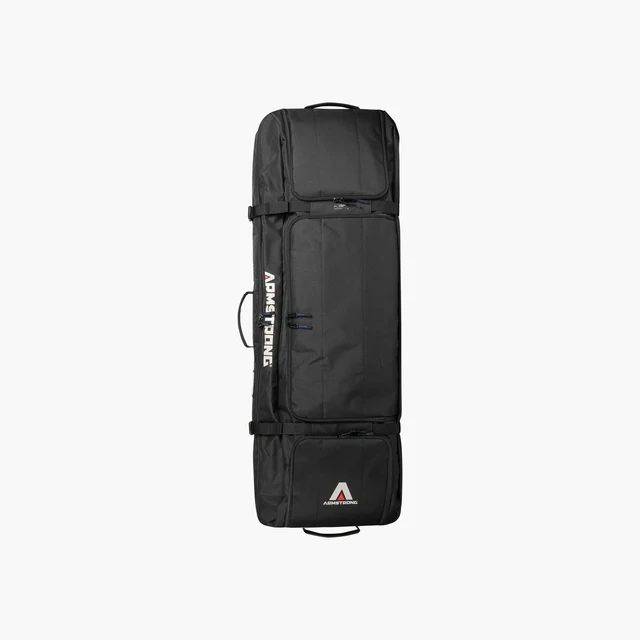
- Travel bag: thicker padding, wheels and compression straps for flights.
- Foil bag: separate protection for the mast, fuselage, front wing and stabilizer.
- Wing or kite bag: keeps the canopy away from sharp edges.
- Board sock: minimal protection for storage or a car trip.
Padding and protection
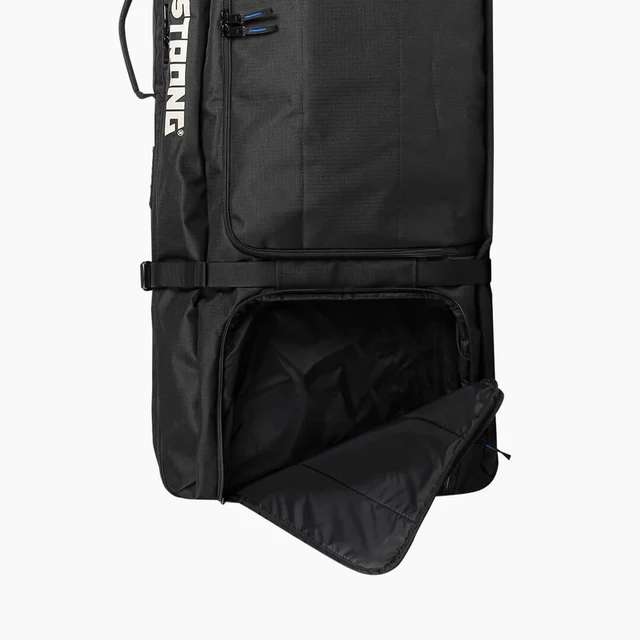
Look for padded rails, a reinforced nose and tail, and a lined foil-box area. Use a towel or wetsuit around the rails for extra protection. Do not over-tighten compression straps; point loads can crack a board.
Travel
Check the airline's maximum dimensions and weight before you buy. A wheeled bag is easier in airports, but a lighter soft bag may be cheaper to fly. If you are carrying a foil, pack the mast and wings in a separate bag and keep the bolts in a labeled pouch.
What to check before buying
- Internal dimensions vs your board.
- Padding at the nose, tail and rails.
- Zipper quality and a storm flap.
- Wheels, handles and compression straps.
- Warranty and whether the bag fits a foil.
Browse bags, read the travel packing guide or the best travel wing setups guide. If you are flying, check the shipping page for battery and freight rules.
Common questions
What size board bag do I need?+
Measure the board's length, width and thickness, then add 5–10cm in length and about 5cm in width for padding. The bag should be snug, not loose.
Can I put a foil in a board bag?+
Use a separate foil bag for the mast, fuselage, front wing and stabilizer. Cramming a foil into a board bag can damage the board or the foil.
Soft or hard bag?+
A padded soft travel bag is enough for most trips and easier to store. A hard case offers more protection but is heavier and more expensive.
How do I measure a board?+
Measure tip to tail, the widest point, and the thickest rail-to-rail point. Note the foil track position and any protruding hardware.
Do you ship bags?+
Yes. Check the shipping page for rates and delivery times.
What bag for airline travel?+
A wheeled travel bag with thick padding, compression straps and a separate foil bag. Check the airline's dimensions and weight limits before you buy.
Filed from the beach — Foilsummit Journal