Buying Guides | 9 min read
Travel Packing Guide: Wing Foil, Kite and eFoil (2026)
2026-11-19 - words by Foilsummit Crew

- Board
- Padded bag
- Foil
- Separate foil bag
- Wing
- Roll loosely
- Battery
- Airline rules
- Tools
- Checked bag
- Weight
- Weigh at home
Travel packing is where a good trip either starts smoothly or turns into a repair project. The goal is simple: protect the expensive parts, keep the soft parts dry, and make the bag easy to carry and inspect.
Start with the bag
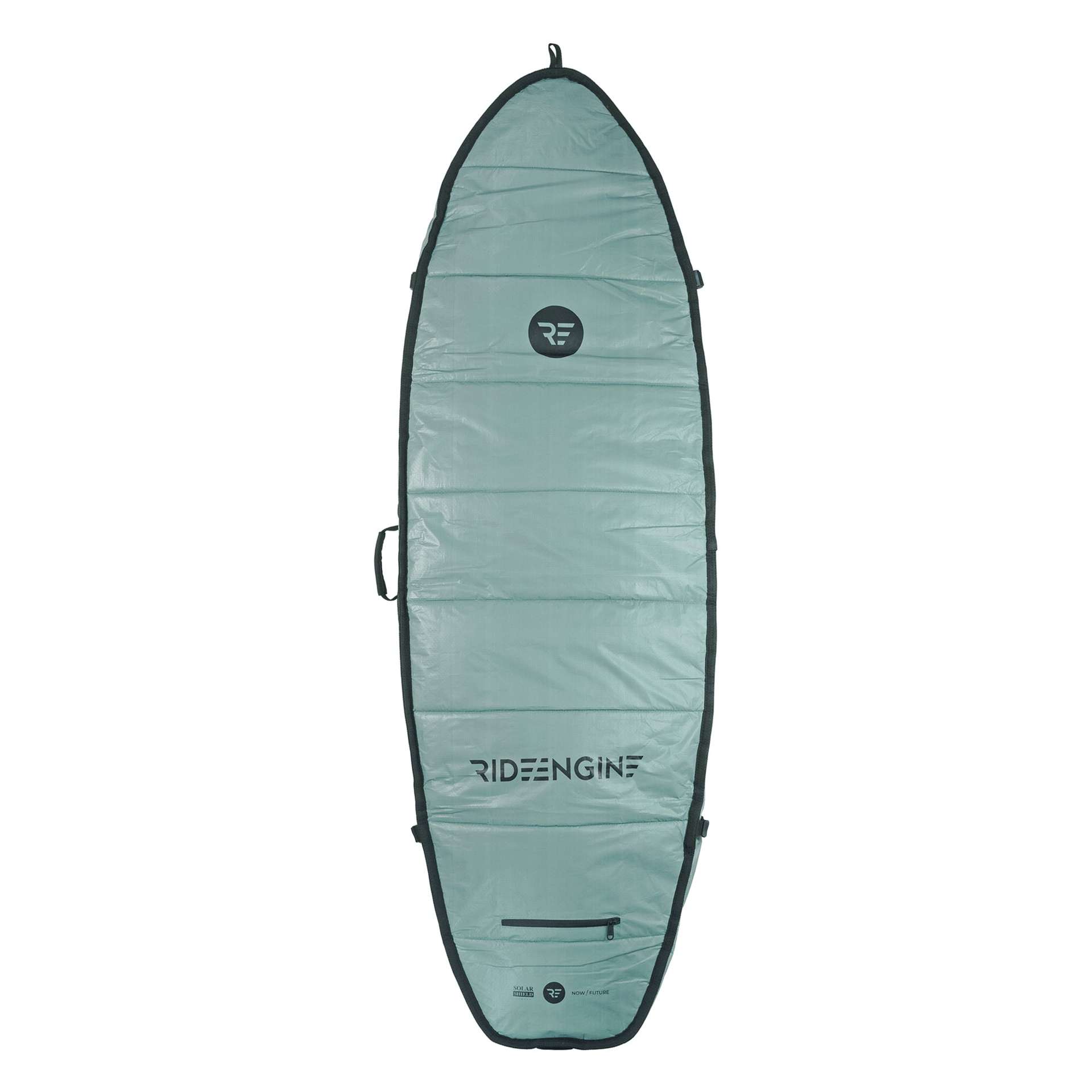
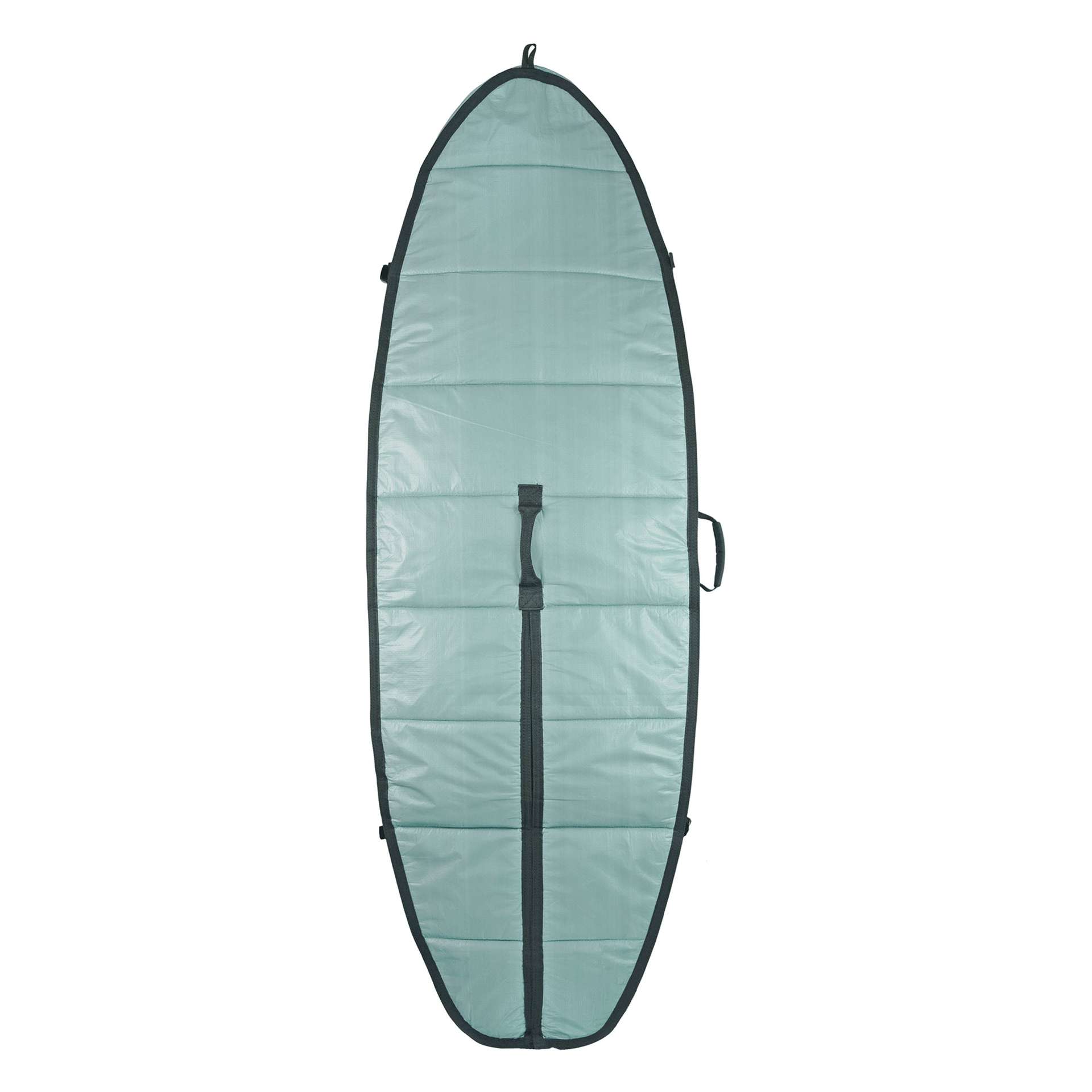
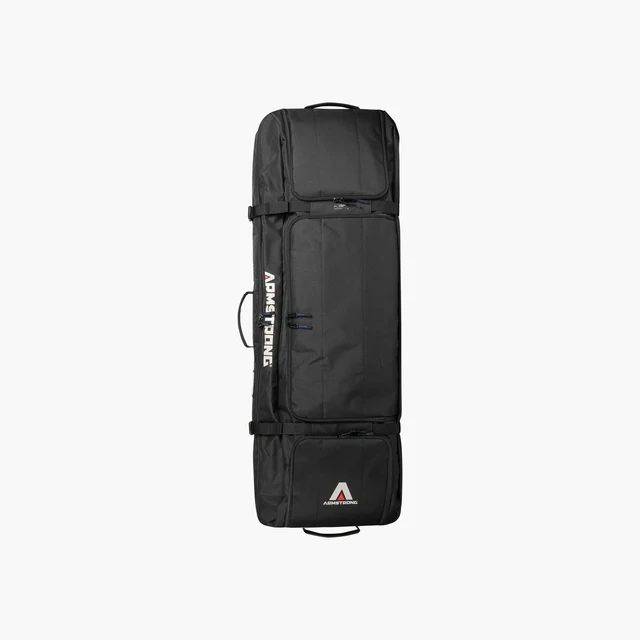
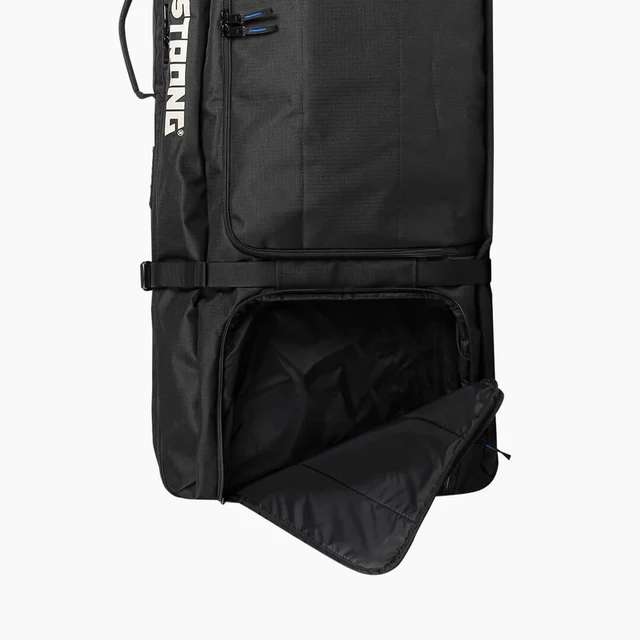
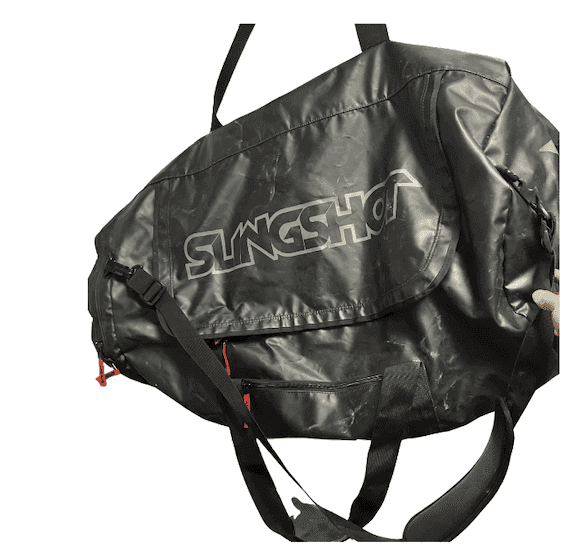
A padded board bag is the foundation. Choose one that fits your board with a little room for padding, but not so much that the board slides around. A separate foil bag protects the mast, fuselage, front wing and stabilizer. A wing or kite bag keeps the canopy away from sharp edges. If you travel often, a wheeled bag saves your back.
Packing the board
- Remove the foil, fins and straps.
- Pad the nose and tail with a towel, wetsuit or bubble wrap.
- Put the board in the bag with the deck facing the padded side.
- Add clothes or a towel around the rails for extra protection.
- Do not over-tighten straps; point loads crack rails.
Packing the foil
- Disassemble the mast, fuselage, front wing and stabilizer.
- Use a foil bag or wrap each part in a towel or bubble wrap.
- Protect the trailing edges and the mast base.
- Put bolts, washers and tools in a labeled bag.
- Keep the mast length in mind: a 90cm mast needs a longer bag.
Packing the wing
- Deflate the wing and let it dry before packing.
- Roll it loosely; avoid sharp folds and creases in the canopy.
- Protect the valves and the leading edge.
- Keep the bar and lines separate so they do not tangle.
- Put the pump in the checked bag, not against the canopy.
Kite gear
Deflate and dry the kite, roll it loosely and keep it away from sharp objects. Pack the bar and lines separately, check the bladders and valves before you leave, and bring a small repair kit. A kite bag with a separate board compartment makes the trip easier.
eFoil and batteries
Lithium batteries are regulated. Check the watt-hour rating, the UN38.3 certification and the airline or freight rules before you book. Some carriers allow carry-on only; others require freight. Use a hard case, protect the terminals and never pack a damaged battery. Read the eFoil battery care guide for storage and travel detail.
Check-in checklist
- Board, foil, wing or kite, bar and lines.
- Pump, leash, impact vest and helmet.
- Wetsuit, booties and gloves.
- Repair kit: tape, spare bladder, line, bolts and tools.
- Sunscreen, water and a dry bag.
- Phone, charger and any adapters.
What to leave at home
Leave the extra fins, heavy tools and duplicate hardware at home unless you know you need them. Every kilo counts, and small parts are easy to replace locally. If you are travelling with a foil, bring the bolts that belong to that system; do not assume a local shop has them.
Read our best travel wing setups guide, check the shipping page for freight, or browse bags and foil gear.
Common questions
How do you pack a wing foil for travel?+
Use a padded board bag, remove and protect the foil in a separate bag, roll the wing loosely, keep the bar and lines separate, and pack tools and hardware in a labeled bag.
Can you fly with a foil board?+
Yes, but check the airline's size and weight limits. A padded board bag and a separate foil bag protect the gear. Some carriers treat board bags as special baggage.
Can you fly with an eFoil battery?+
It depends on the battery's watt-hour rating and the carrier. Check the UN38.3 certification and the airline or freight rules before you book. Some routes require freight.
How do you protect a foil mast in a board bag?+
Disassemble the foil and pack the mast in a separate foil bag or wrap it in a towel. Protect the mast base and trailing edges, and keep bolts in a labeled bag.
What tools do you need for a wing foil trip?+
Bring the bolts and tools for your foil system, repair tape, a spare bladder or valve, a line, and a small pump. Check the airline rules for tools in carry-on.
Should you deflate a wing for travel?+
Yes. Deflate and dry the wing, roll it loosely and protect the valves. Do not store it wet or folded tightly for long periods.
Filed from the beach — Foilsummit Journal