Buying Guides | 8 min read
Wing Foil for Women: Gear, Fit and Progression (2026)
2026-11-21 - words by Mara Ellison

- Wing
- 4–5m under 70kg
- Board
- kg + 30–40L
- Foil
- 1,300–1,800cm²
- Mast
- 70–75cm
- Fit
- Vest/harness
- First step
- Lesson
Wing foiling is not a strength sport. It rewards balance, timing and time on the water. The right setup makes the first sessions much easier, and the wrong one makes them feel impossible.
Size by weight, not gender
Board volume, wing size and foil area are driven by your weight and the wind, not by whether the gear is marketed to women. A 60kg rider needs less volume and a smaller wing than a 90kg rider, regardless of gender.
Board volume
Start at bodyweight in kilograms plus 30–40 litres for learning. A 60kg rider should look at 90–100L; a 70kg rider at 100–110L. Choose a wide outline and a long foil track. Do not buy a small board because a lighter friend rides one.
Wing size
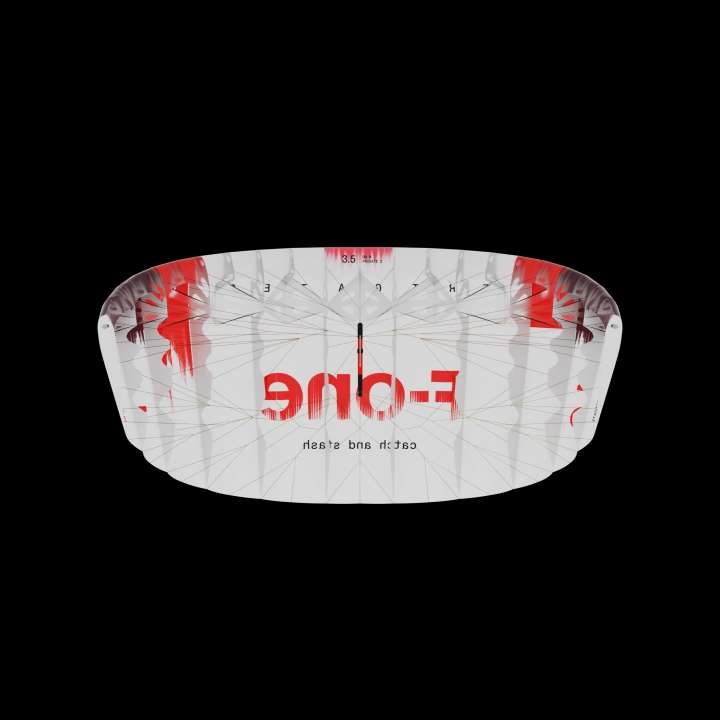
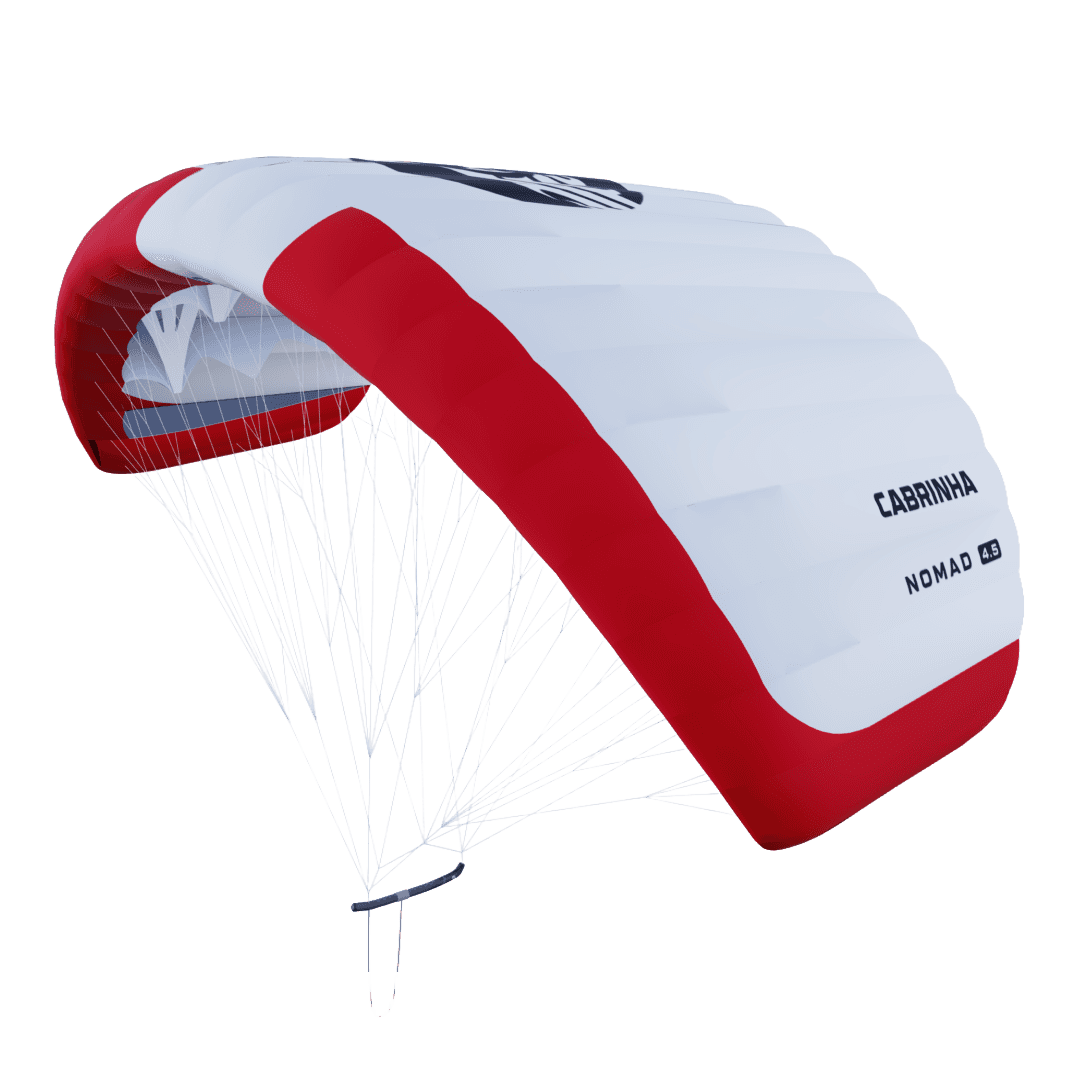
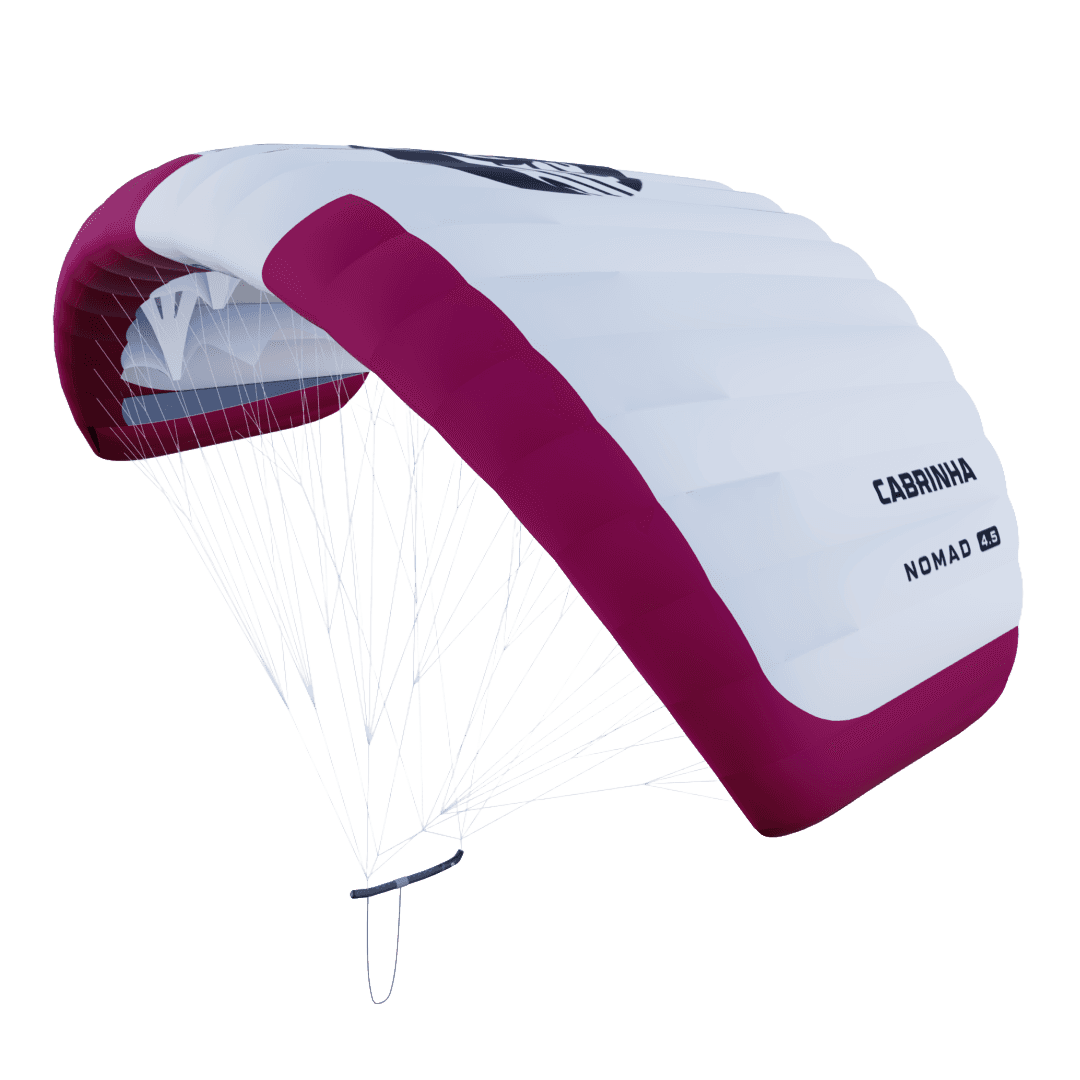
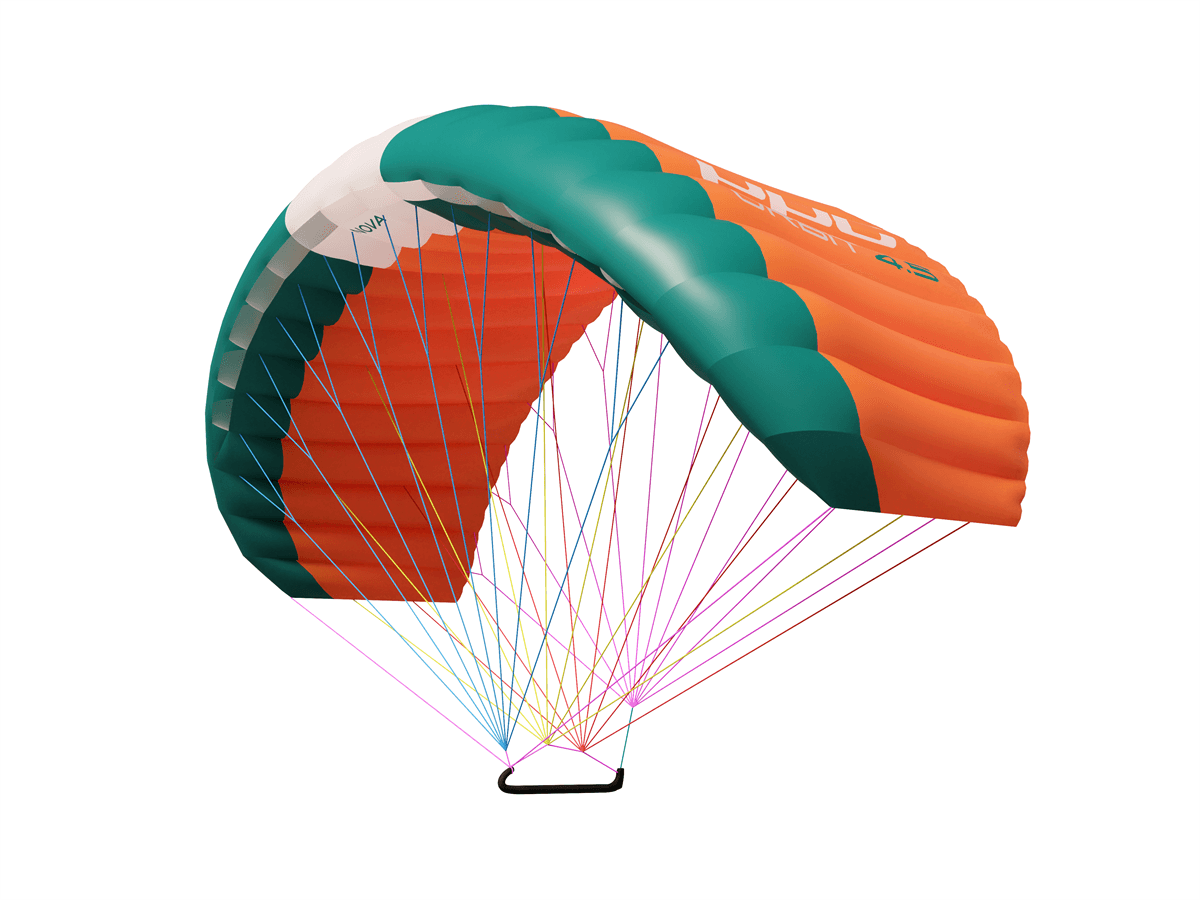
- Under 60kg: 3.5–4.5m in 15–20 knots.
- 60–70kg: 4–5m in 15–20 knots.
- 70–80kg: 5–6m in 15–20 knots.
- If you are between sizes or learning, size up. A bigger wing gets you on foil sooner.
Foil area
A large mid-aspect front wing around 1,300–1,800cm² lifts early and stays predictable for lighter riders. A 70–75cm mast keeps falls short. A longer fuselage adds stability. Avoid high-aspect race foils while learning.
Fit and comfort
- Impact vest: snug, not restrictive; check shoulder and chest fit.
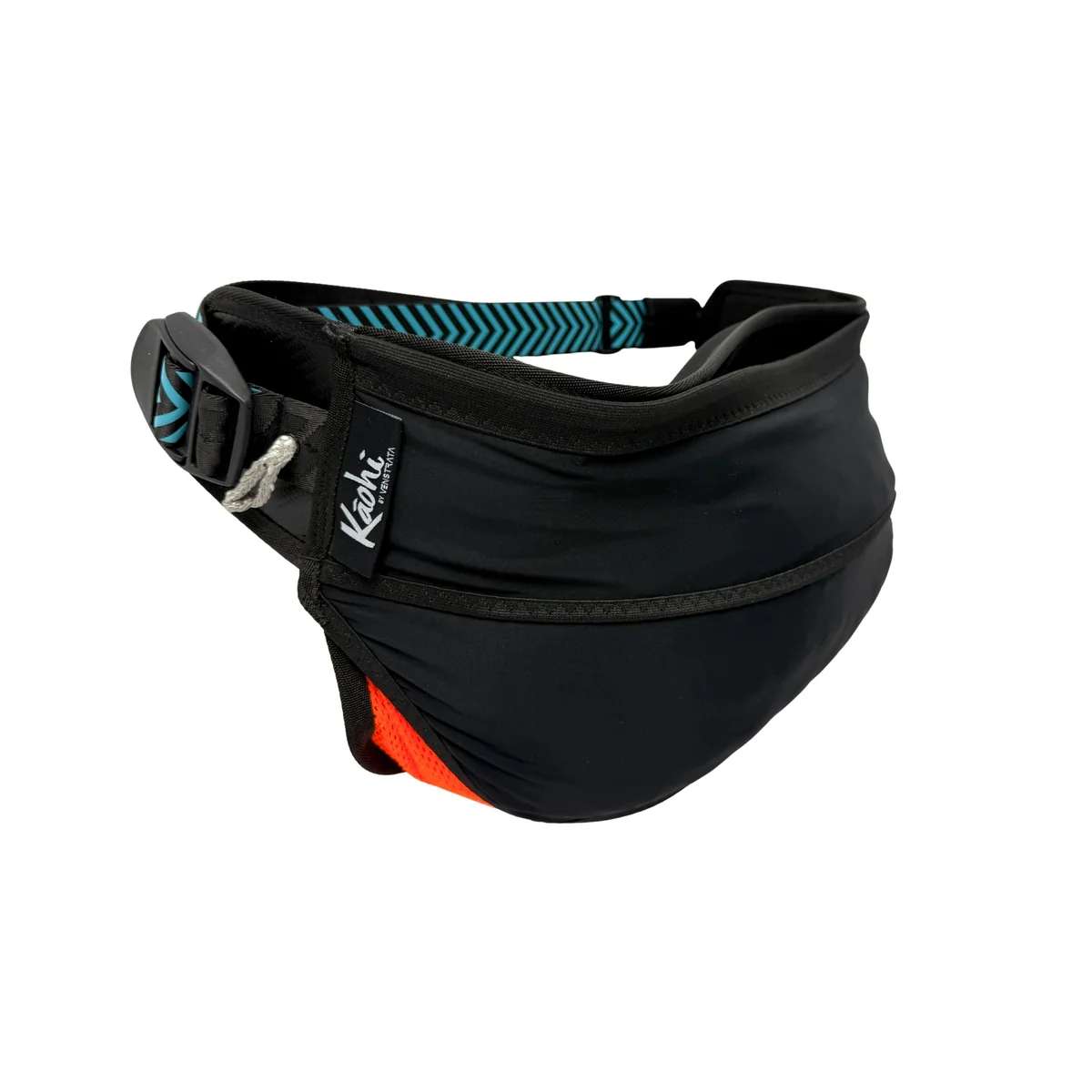
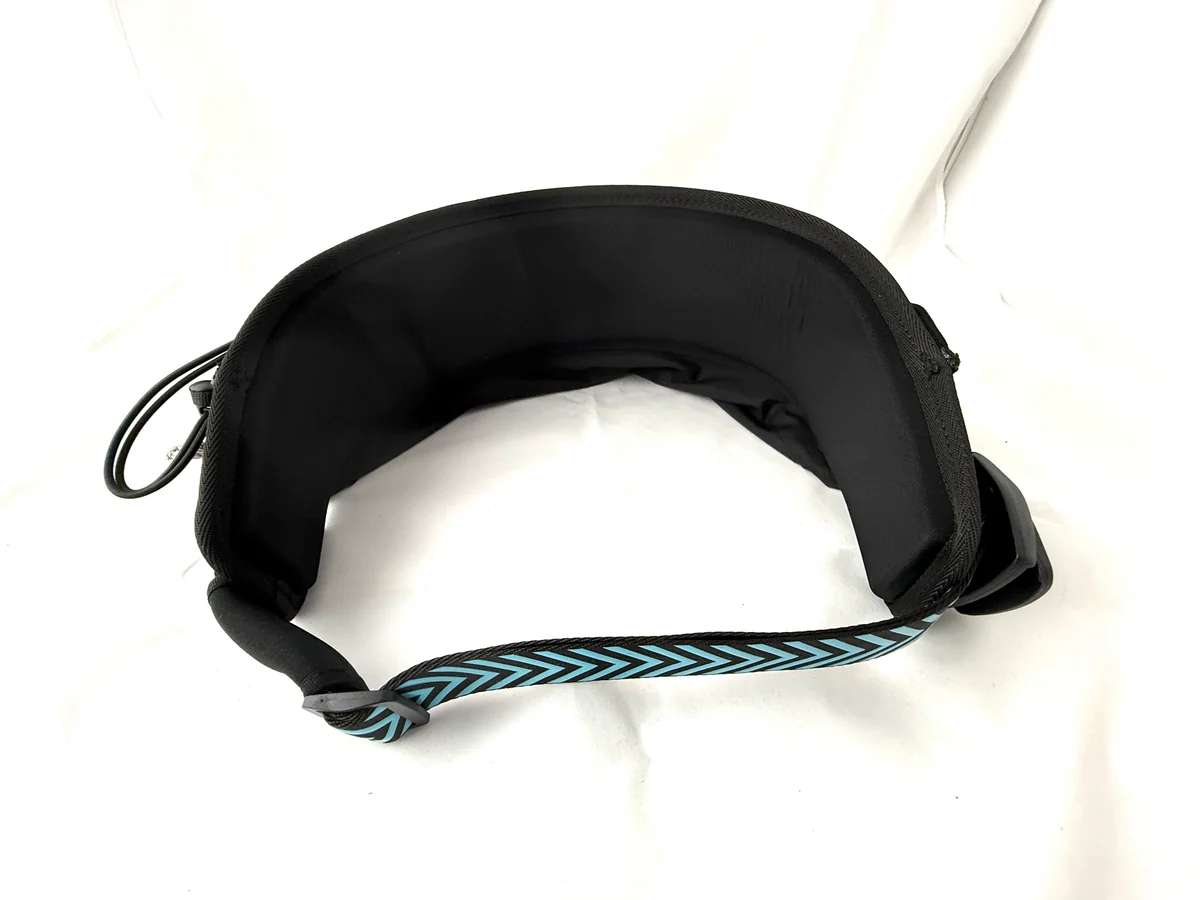
- Harness: optional at first; a waist or seat harness should fit your body, not just the wing.
- Wetsuit: women's-specific patterns often fit better through the chest, waist and hips; use the brand's size chart.
- Booties and gloves: fit matters in cold water; try them on with the suit.
Progression
Take a lesson, start on flat water and use a big board. Keep sessions short and positive. Build wing handling on the beach before you add the foil. Most riders need several sessions to a few seconds of flight; that is normal.
Common mistakes
- Buying a board that is too small.
- Buying a wing that is too small for the local wind.
- Starting on a high-aspect foil.
- Skipping the lesson and learning bad habits.
- Wearing a wetsuit or impact vest that restricts breathing.
Use the size charts, the board volume guide, the wing size calculator and the beginner setup guide. Browse wing gear and wetsuits.
Common questions
What size wing for a woman?+
It depends on weight and wind, not gender. Under 60kg, 3.5–4.5m in 15–20 knots; 60–70kg, 4–5m; 70–80kg, 5–6m. Size up if you are learning or the wind is light.
Do women need different wing foil gear?+
The sizing is weight-based, but fit can differ. Women's-specific wetsuits, impact vests and harnesses often fit better through the chest, waist and hips. Choose the gear that fits your body.
What board volume for a 60kg rider?+
Start around 90–100L for learning, or bodyweight in kilograms plus 30–40 litres. A wide outline and long foil track matter as much as the litre number.
What foil area for a lighter rider?+
A large mid-aspect front wing around 1,300–1,800cm² is a good starting range. A 70–75cm mast keeps falls short and touch-downs manageable.
Do I need a harness?+
Not to start. A waist or seat harness can reduce arm fatigue later, but it adds one more thing to manage. Learn the wing and board first.
How long does it take to learn?+
Most riders need several sessions to a few seconds of flight, and more time to ride consistently. A lesson, a big board and flat water shorten the curve.
Filed from the beach — Foilsummit Journal