Buying Guides | 8 min read
Wing Foil for Heavy Riders: Board, Wing and Foil Sizes
2026-11-19 - words by Dee Okafor

- Board
- kg + 40–50L
- Wing
- 6–8m
- Foil
- 1,800–2,200cm²
- Mast
- 75–85cm
- Stance
- Wide
- Key
- Do not size down
Wing foiling is not a small-rider sport. Heavier riders can progress quickly if the gear is big enough and the foil is forgiving. The mistake is buying a board or wing that suits a lighter rider and then fighting the setup.
Board volume
For learning, start at bodyweight in kilograms plus 40–50 litres. A 100kg rider should look at 140–150L; a 110kg rider at 150–160L. A wide outline and a long foil track matter as much as the litre number. Size down one bracket at a time once you are consistently flying.
Wing size
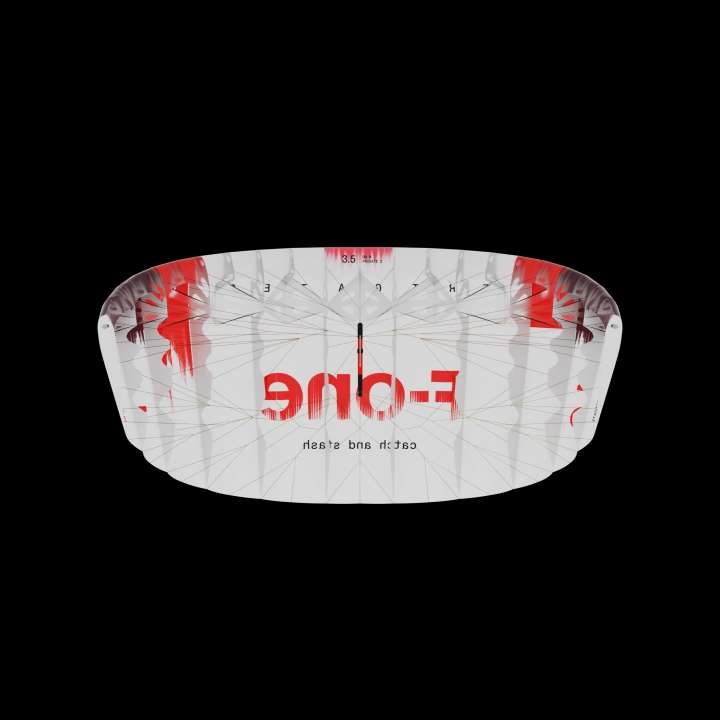
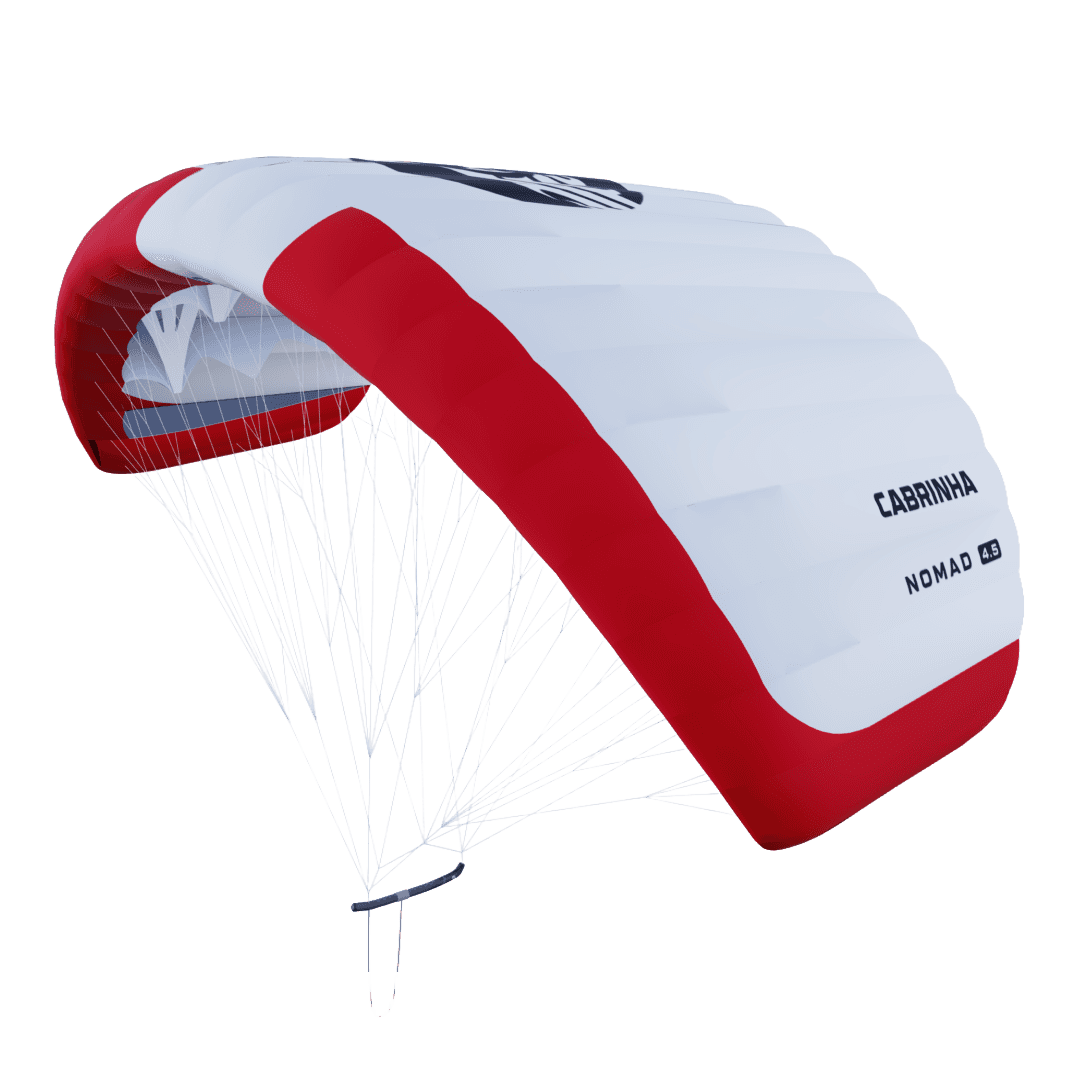
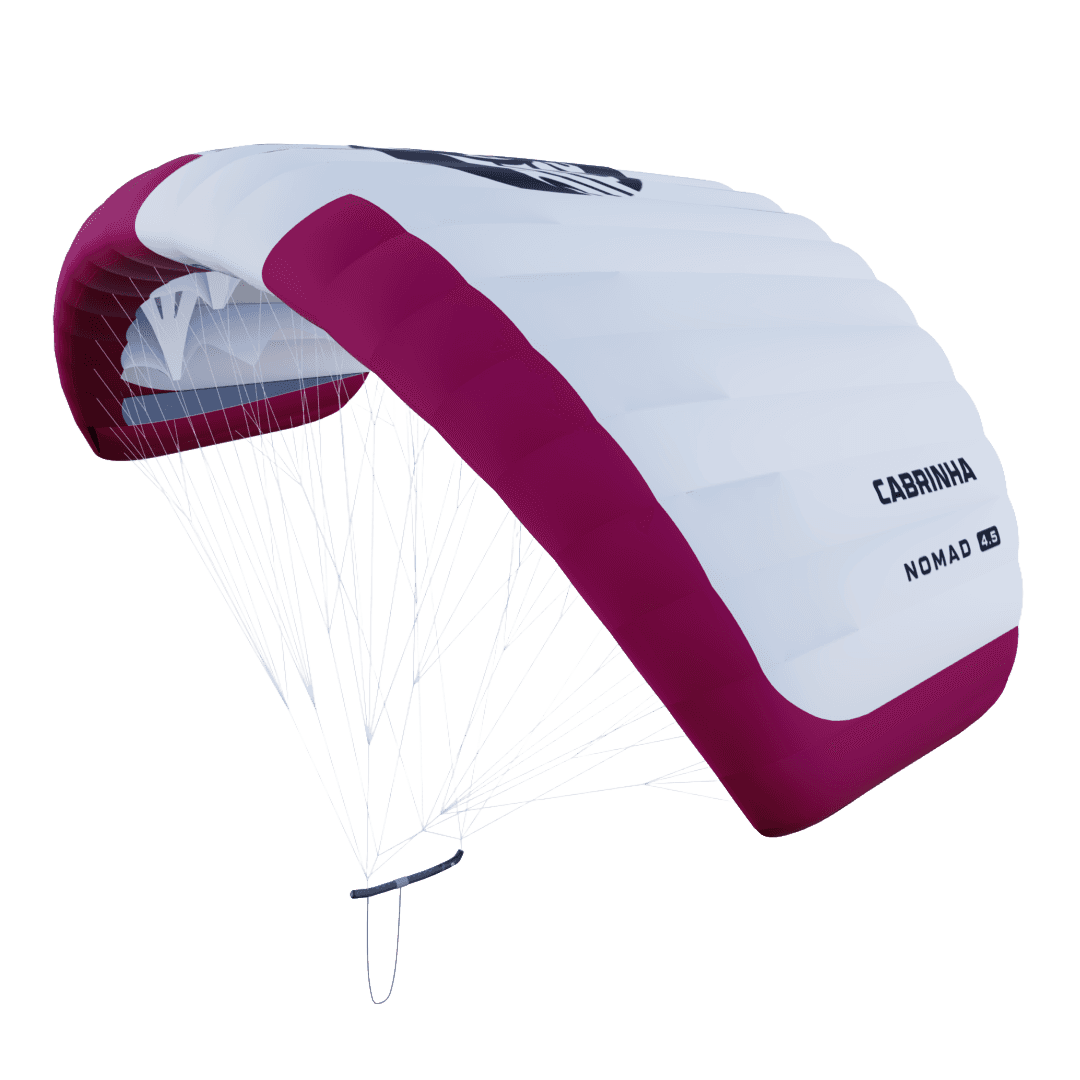
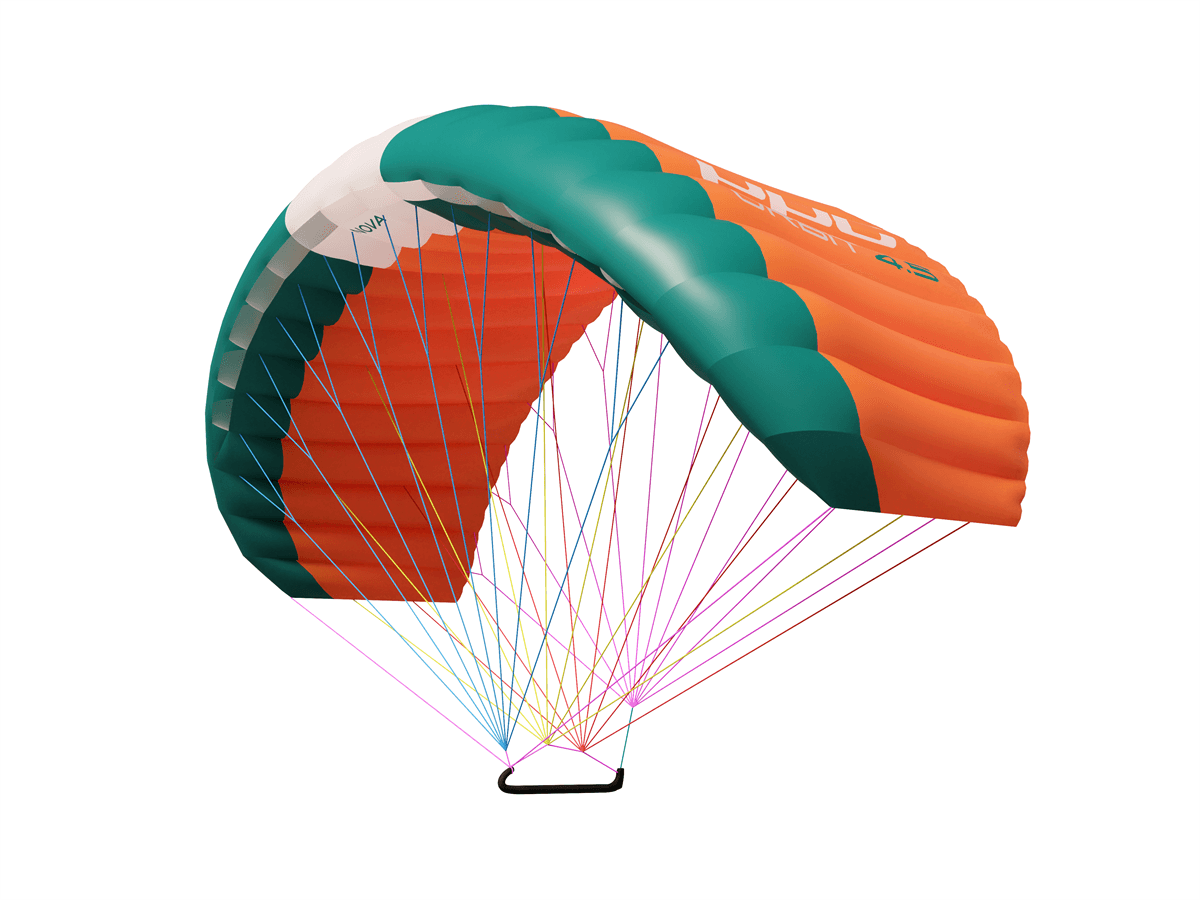
- 90–100kg: 6–7m in 15–20 knots; 7–8m in light wind.
- 100kg+: 7–8m in 15–20 knots; 8m+ in light wind.
- Strong wind: size down, but keep enough wing to get on foil.
- A bigger wing gets you on foil sooner; a smaller wing is easier to handle once you are flying.
Foil area
A large mid-aspect front wing around 1,800–2,200cm² lifts early and stays predictable. A 75–85cm mast gives clearance without making the first sessions too punishing. A longer fuselage adds pitch stability. Avoid high-aspect race foils while learning.
Stance and technique
Use a wide, centered stance and keep your weight over the board. Heavier riders need to pump efficiently and keep the board speed up; a bigger foil helps, but technique still matters. A lesson or two shortens the curve.
Gear that helps
- A high-volume board with a wide outline.
- A large, forgiving front wing.
- A wing with enough low-end power.
- An impact vest and helmet.
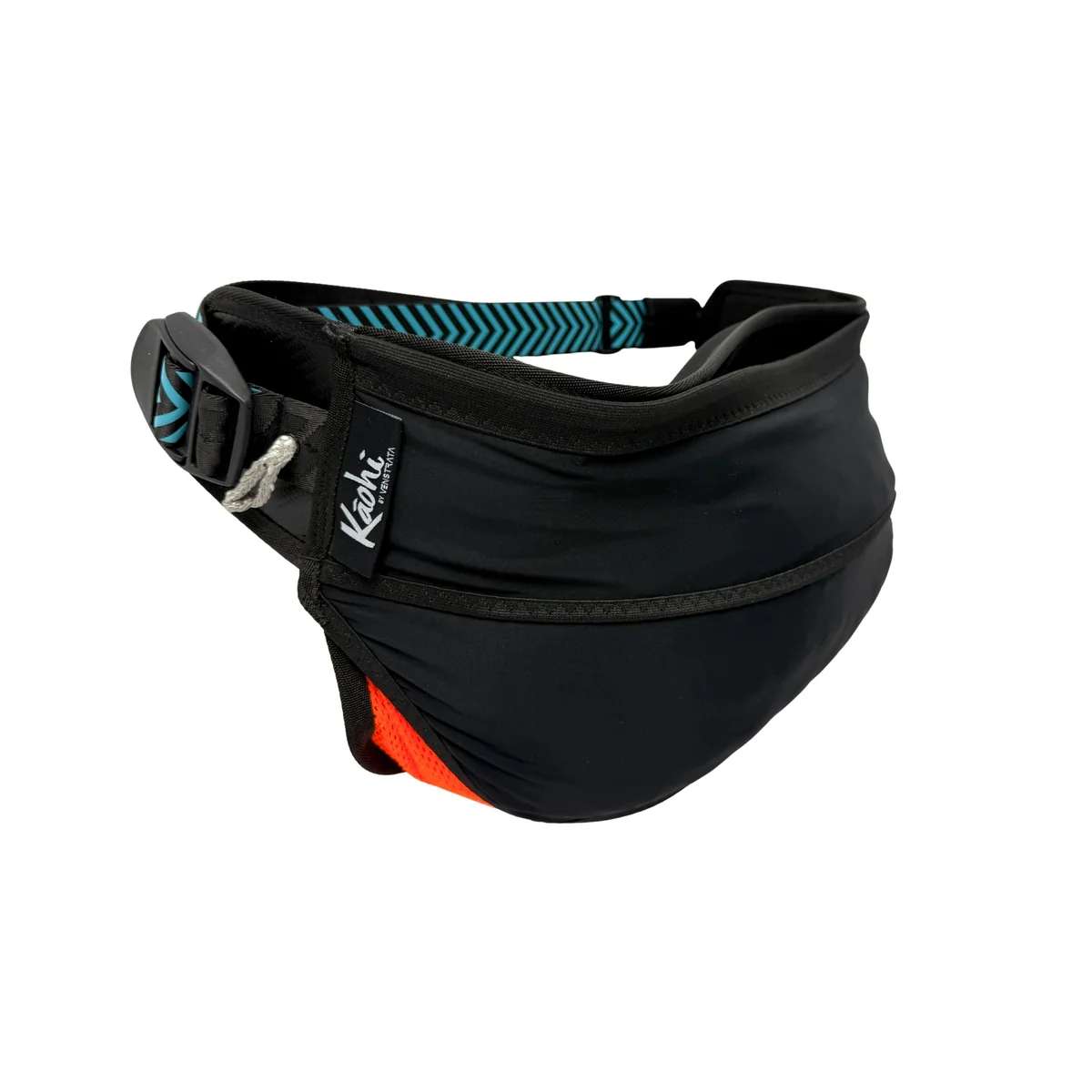
- A harness once you are comfortable; it saves arms on long sessions.
What not to do
- Do not buy a small board because a lighter friend rides one.
- Do not pair a big wing with a tiny foil.
- Do not start on a high-aspect race foil.
- Do not skip the lesson; the right technique saves months.
Use the wing foil board volume guide, the wing size calculator and the size charts. Browse wing gear and foil boards, or read the beginner setup guide.
Common questions
What size wing foil board for a heavy rider?+
Start at bodyweight in kilograms plus 40–50 litres. A 100kg rider should look at 140–150L; a 110kg rider at 150–160L. Choose a wide outline and a long foil track.
What wing size for 100kg?+
A 100kg rider usually uses 6–7m in 15–20 knots and 7–8m in light wind. Strong wind may call for a smaller wing, but keep enough power to get on foil.
What foil area for heavy riders?+
A large mid-aspect front wing around 1,800–2,200cm² lifts early and stays predictable. A 75–85cm mast and a longer fuselage add stability.
Can heavy riders wing foil?+
Yes. Heavier riders can progress quickly with enough board volume, wing area and foil lift. The key is not sizing down too early.
What mast length for heavy riders?+
A 75–85cm mast is a good range for learning and progression. A longer mast gives more clearance but is less forgiving at first.
Why do I struggle to get on foil?+
The usual causes are too little board volume, a wing that is too small, a foil that is too small or high-aspect, and weight too far back. Size up the board and foil before you size up the wing.
Filed from the beach — Foilsummit Journal