Buying Guides | 9 min read
Best Beginner Wing Foil Setup (2026): Board, Wing and Foil
2026-10-01 - words by Dee Okafor | Updated 2026-11-19

You don't need a $4,000 race kit to learn wing foiling. Beginner gear is deliberately bigger, thicker and more forgiving, and the oversized board and large front wing do most of the teaching.
Board: the biggest decision
- Volume: bodyweight in kg + 30–40L. An 80kg rider wants 110–120L.
- Width: a wide, stable outline is easier to stand on than a narrow performance shape.
- Foil track: make sure the board accepts your foil system.
- Inflatable vs hard: inflatable is cheaper and packs small; a hard board rides better once you progress.
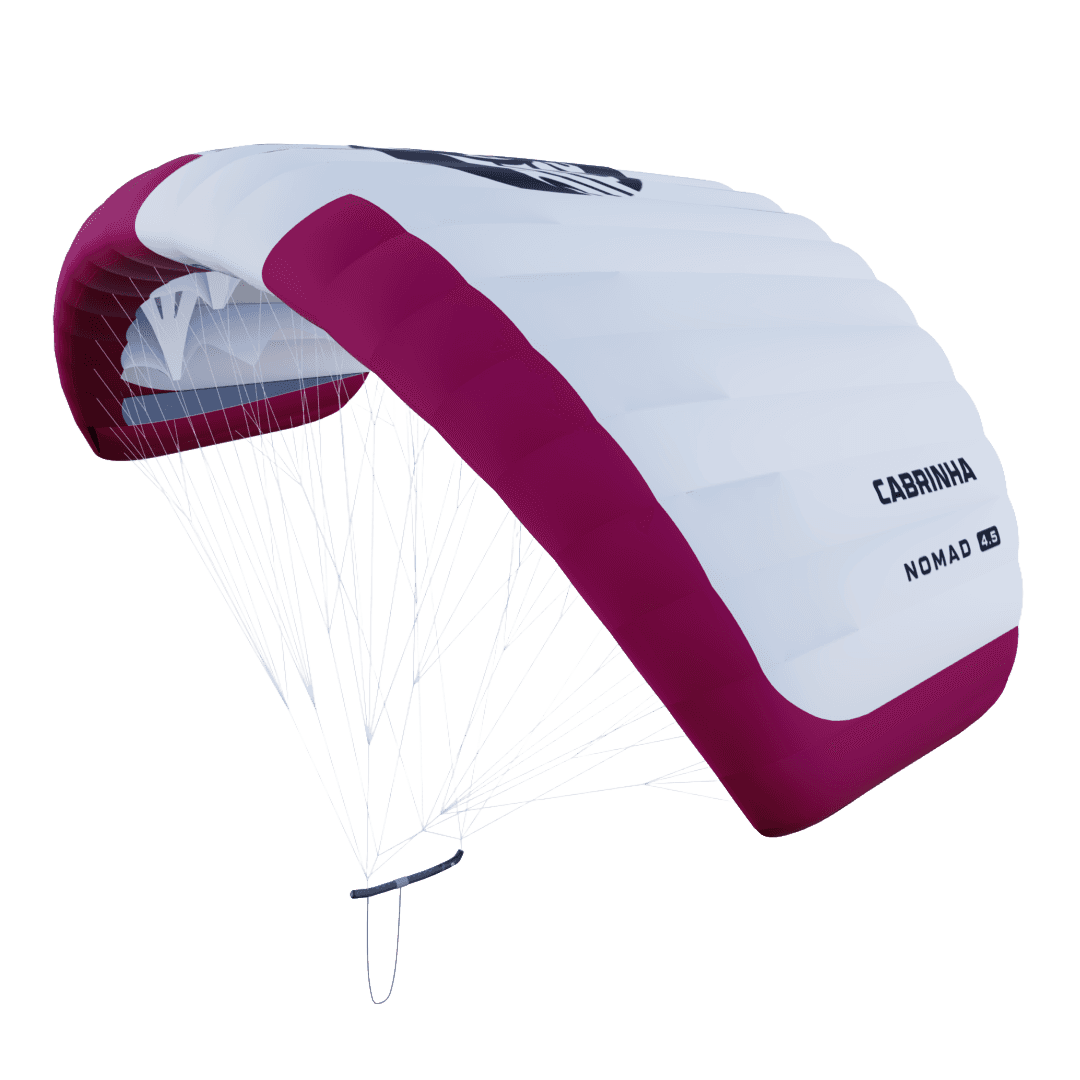
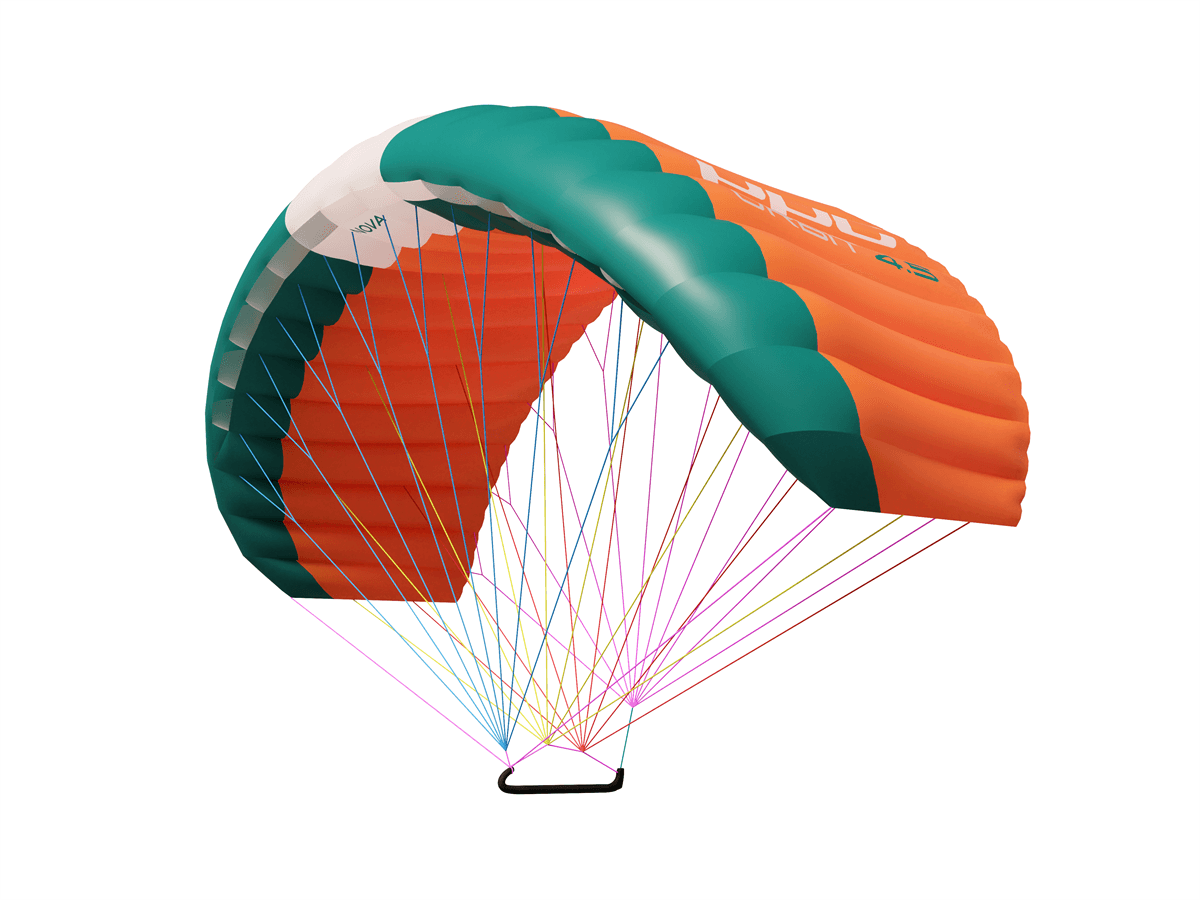
Wing: size for your weight and wind
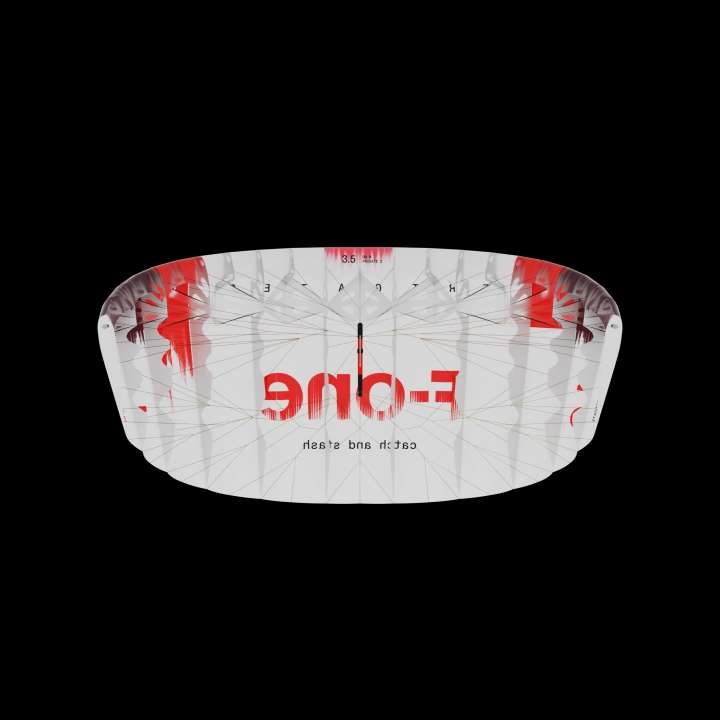
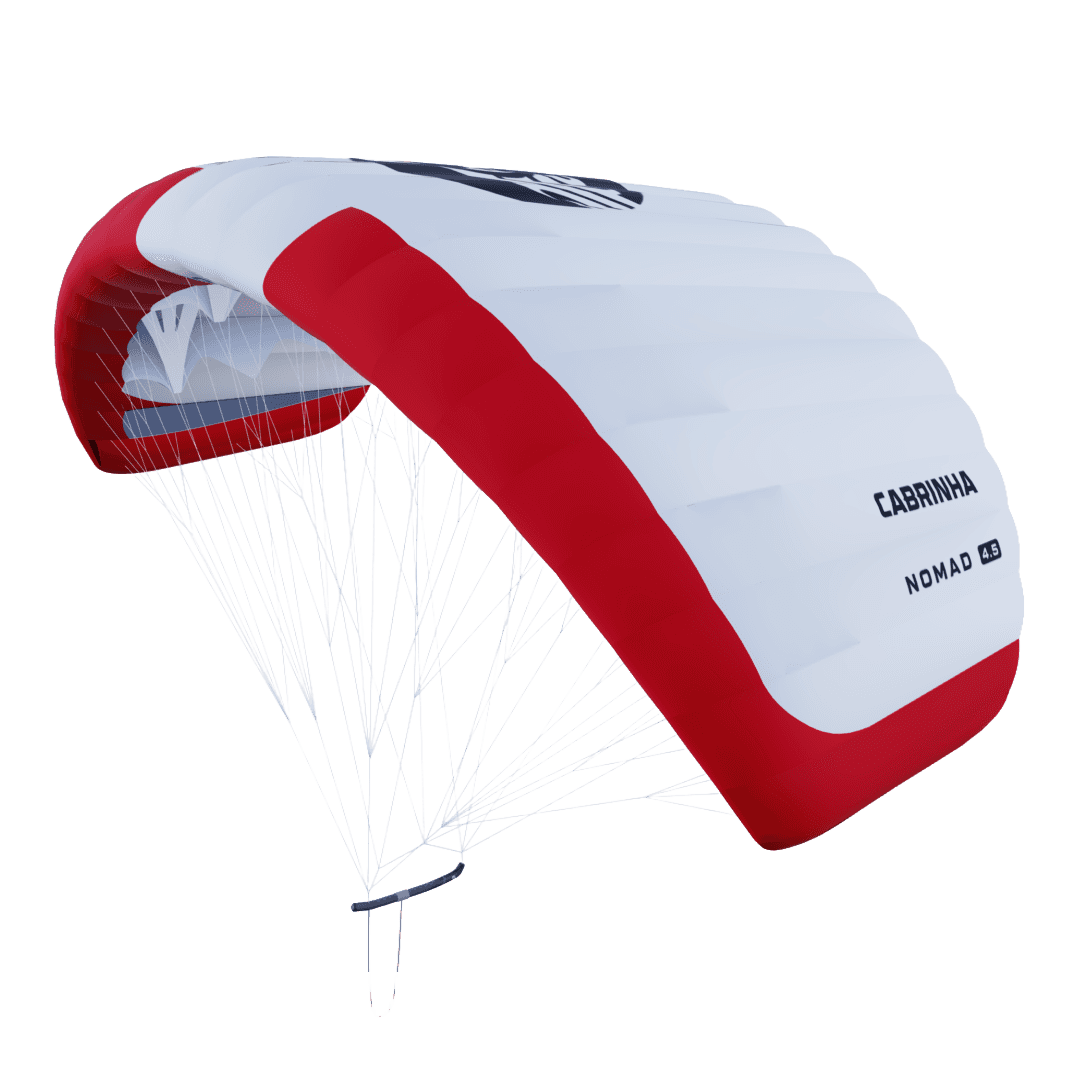
- Under 70kg: 4–5m in 15–20 knots.
- 70–90kg: 5–6m in 15–20 knots.
- Over 90kg: 6–7m in 15–20 knots.
- If you ride light wind or are between sizes, go bigger. A bigger wing gets you on foil sooner.
Foil: the beginner sweet spot
- Front wing: 1,500–2,000cm², mid-aspect (around AR 5–6.5).
- Mast: 70–75cm for learning; 80–85cm later.
- Fuselage: longer for stability.
- Brand ecosystem: buy the foil as a complete system so the mast, fuselage and wings fit.
What a complete setup costs
Costs vary by brand and whether you buy new, outlet or used. A complete new beginner package usually starts around $2,000 and rises with carbon construction and premium foils. A used or outlet setup can cut the entry cost, but check the board volume, foil compatibility and condition first. See our best wing foil packages for beginners for current examples.
Package vs separates
A package is usually cheaper than the sum of the parts and removes compatibility guesswork. The trade-off is less choice over every size. If you already own a board or foil, build around what you have instead of buying a duplicate.
What to check before you buy
- Your weight, height and usual wind range.
- Board volume in litres, not just length.
- Wing size and comfortable wind range.
- Foil area, aspect ratio and mast length.
- Whether the package includes a pump, leash and bag.
- Whether the board and foil are from the same system.
Want to check a specific setup against your weight and local wind? Message us with those two numbers and we'll tell you which board volume, wing size and foil area to start with.
Common questions
What is the best foil for a beginner wing foiler?+
A large mid-aspect front wing around 1,500–2,000cm², a 70–75cm mast and a longer fuselage. Buy the foil as a complete system so the parts fit, and avoid high-aspect race foils while you are learning.
What size wing should a beginner buy?+
Most 70–90kg adults start on 5–6m in 15–20 knots. Under 70kg, look at 4–5m; over 90kg, 6–7m. If you ride light wind or are between sizes, size up rather than down.
How much does a beginner wing foil setup cost?+
A complete new package usually starts around $2,000 and rises with carbon construction and premium foils. Used and outlet gear can cut the entry cost; check the board volume, foil compatibility and condition before buying.
Can I learn on a small board?+
You can, but it is harder. A bigger board makes standing, takeoff and early flights much easier. Start at bodyweight in kilograms plus 30–40 litres and size down once you are consistently flying.
Do I need a carbon mast to learn?+
No. Aluminium is fine for learning and costs less. Carbon saves weight and adds stiffness, which matters more as you progress; it is not the first place to spend your budget.
Should I buy a package or separate parts?+
A package is usually cheaper than the sum of the parts and removes compatibility guesswork. Buy separates only if you already own a compatible board or foil and want to choose each size.
Filed from the beach — Foilsummit Journal