Buying Guides | 8 min read
Foil Mast Length Guide: 60cm to 100cm Explained (2026)
2026-11-21 - words by Dee Okafor
- Learn
- 60–75cm
- All-round
- 70–80cm
- Waves
- 80–90cm
- Race
- 90–100cm
- Longer
- More clearance
- Check
- Compatibility
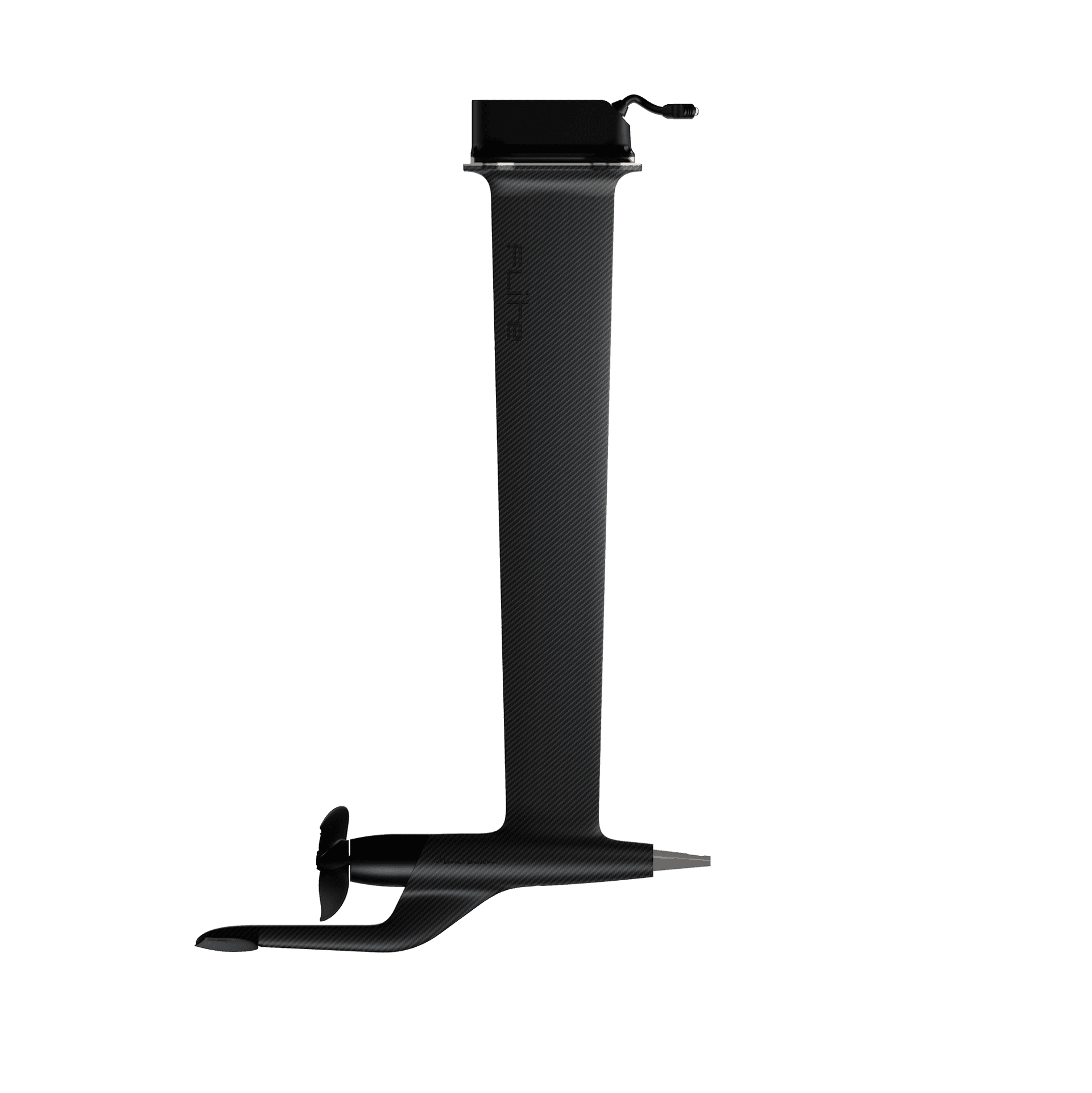
Mast length is one of the most consequential foil choices. It changes how high you fly, how often you touch down, and how the foil feels in chop. The right length depends on your discipline, level and local water.
What mast length does
- Clearance: a longer mast keeps the foil deeper in the water and reduces surface disturbance.
- Leverage: a longer mast gives more room to lean and carve.
- Touch-downs: a shorter mast makes touch-downs less dramatic and easier to recover from.
- Learning: a shorter mast is more forgiving when you are starting.
Length by discipline
- Wing foiling: 70–80cm for all-round; 80–90cm for waves and chop.
- Kite foiling: 70–90cm depending on speed and conditions.
- Prone/surf foiling: 60–80cm; shorter masts keep the foil closer to the wave.
- Downwind: 80–100cm for clearance and glide.
- Racing: 90–100cm for maximum clearance and efficiency.
- eFoil: usually 75–90cm; check the manufacturer's recommendation.
Learning
A 60–75cm mast is the easiest starting point. It keeps falls short and touch-downs soft. Once you can ride consistently, move up one length at a time. Do not jump from 60cm to 90cm.
Waves and chop
An 80–90cm mast gives more clearance in swell and chop, but it also puts more leverage on the board and foil. Make sure your board and foil box are strong enough.
Race and downwind
A 90–100cm mast is for experienced riders who need maximum clearance and efficiency. It is less forgiving in shallow water and at low speed.
Compatibility
Masts are brand-specific. Check the mast-to-fuselage connection, the board's foil track and the bolt pattern before buying. A longer mast may also require a different travel bag.
What to check
- Mast length and material.
- Fuselage connection and bolt pattern.
- Board track and foil box condition.
- Travel bag length.
- Spare parts and warranty.
Use the mast length guide tool, check the size charts, read the hydrofoil board guide or browse foil gear.
Common questions
What mast length should I start with?+
A 60–75cm mast is the easiest starting point for winging and prone foiling. It keeps falls short and touch-downs soft.
Does a longer mast make foiling harder?+
It gives more clearance but adds leverage and makes touch-downs more dramatic. Move up one length at a time as you progress.
What mast for wing foiling?+
70–80cm for all-round winging; 80–90cm for waves and chop. Beginners should start at the shorter end.
What mast for kite foiling?+
70–90cm depending on speed and conditions. Check the kite foil system and board compatibility.
What mast for downwind?+
80–100cm for clearance and glide. Downwind riders often use longer masts than wing beginners.
Can I change mast length later?+
Yes, if the mast is compatible with your fuselage and board. Buy within a brand ecosystem so you can change length without replacing the whole foil.
Filed from the beach — Foilsummit Journal