Buying Guides | 8 min read
Hydrofoil Boards: Types, Sizes and How to Choose (2026)
2026-11-19 - words by Jonas Reeve
- What
- Board + foil mount
- Wing
- 110–130L beginner
- Prone
- Lower volume
- Downwind
- Long and narrow
- eFoil
- Integrated
- First buy
- Wing board
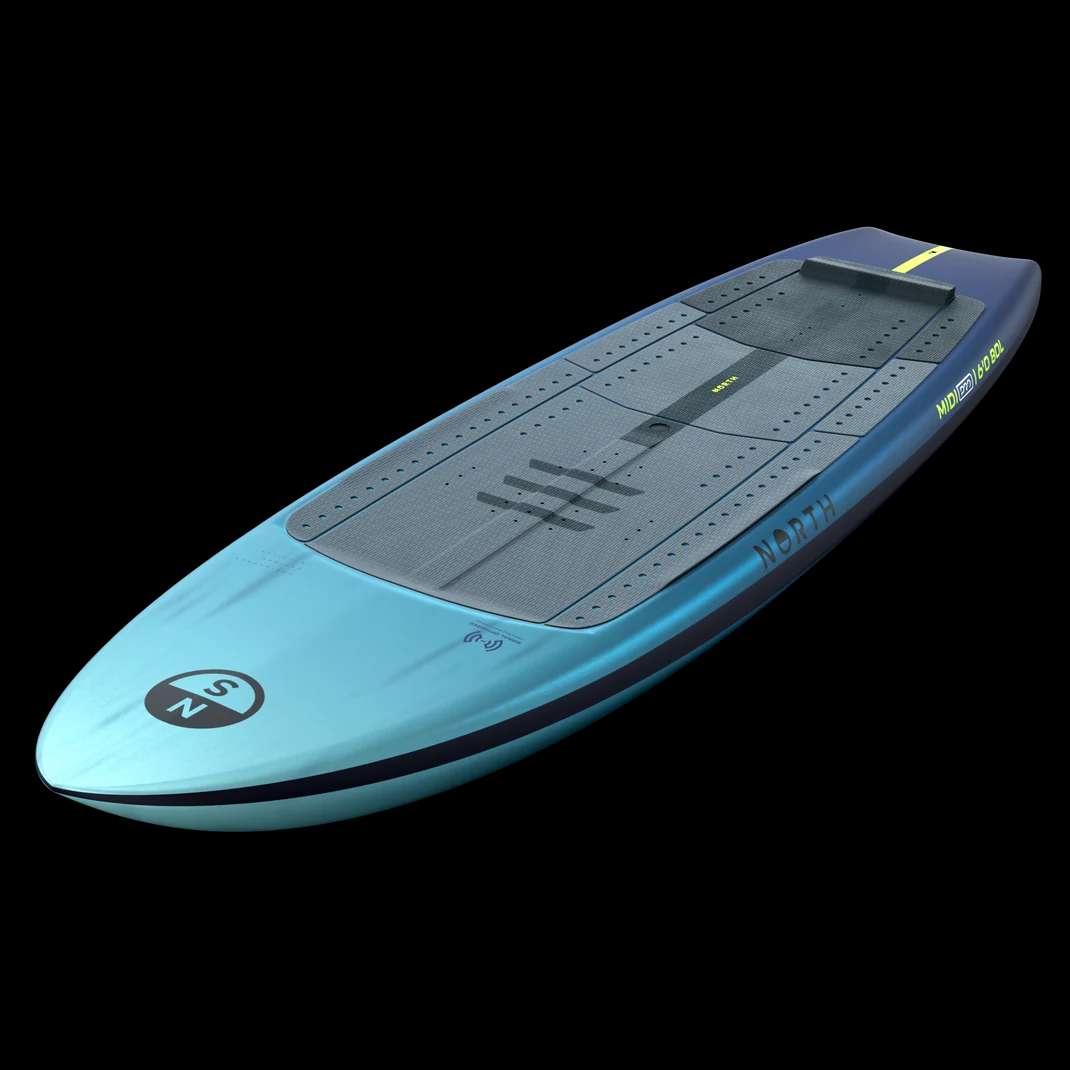
The board is the interface between you and the foil. The right shape and volume depend on the discipline, not just the brand.
What makes a board a hydrofoil board?
- A reinforced foil box or track.
- A mast mount that matches your foil system.
- Enough volume and strength for the loads of foiling.
- A deck and bottom that can handle beach launches and touch-downs.
Hydrofoil board types
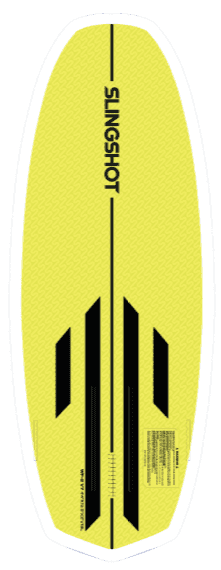
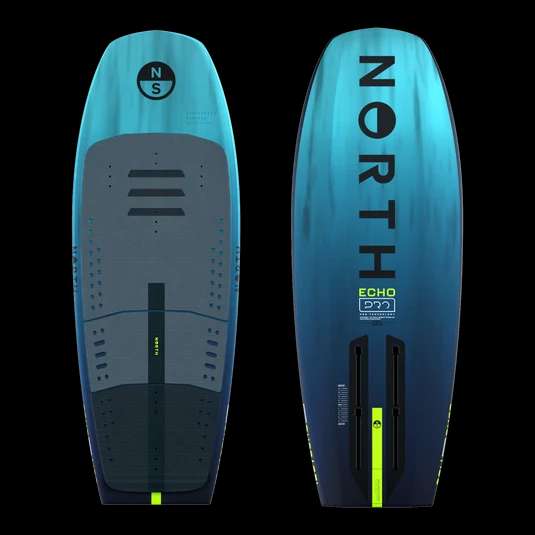
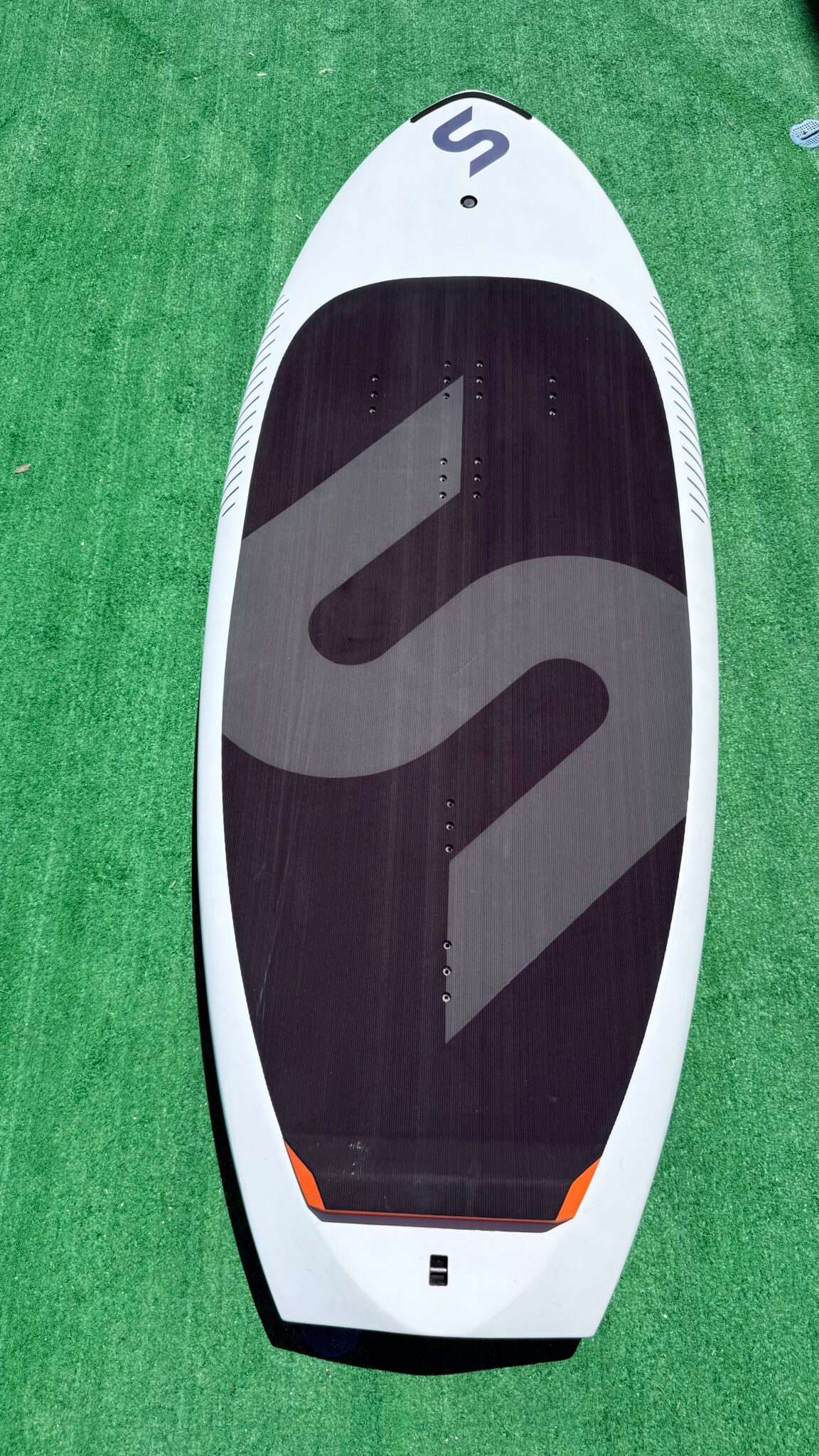
- Wing foil board: higher volume, wide outline, foil track. The easiest first board.
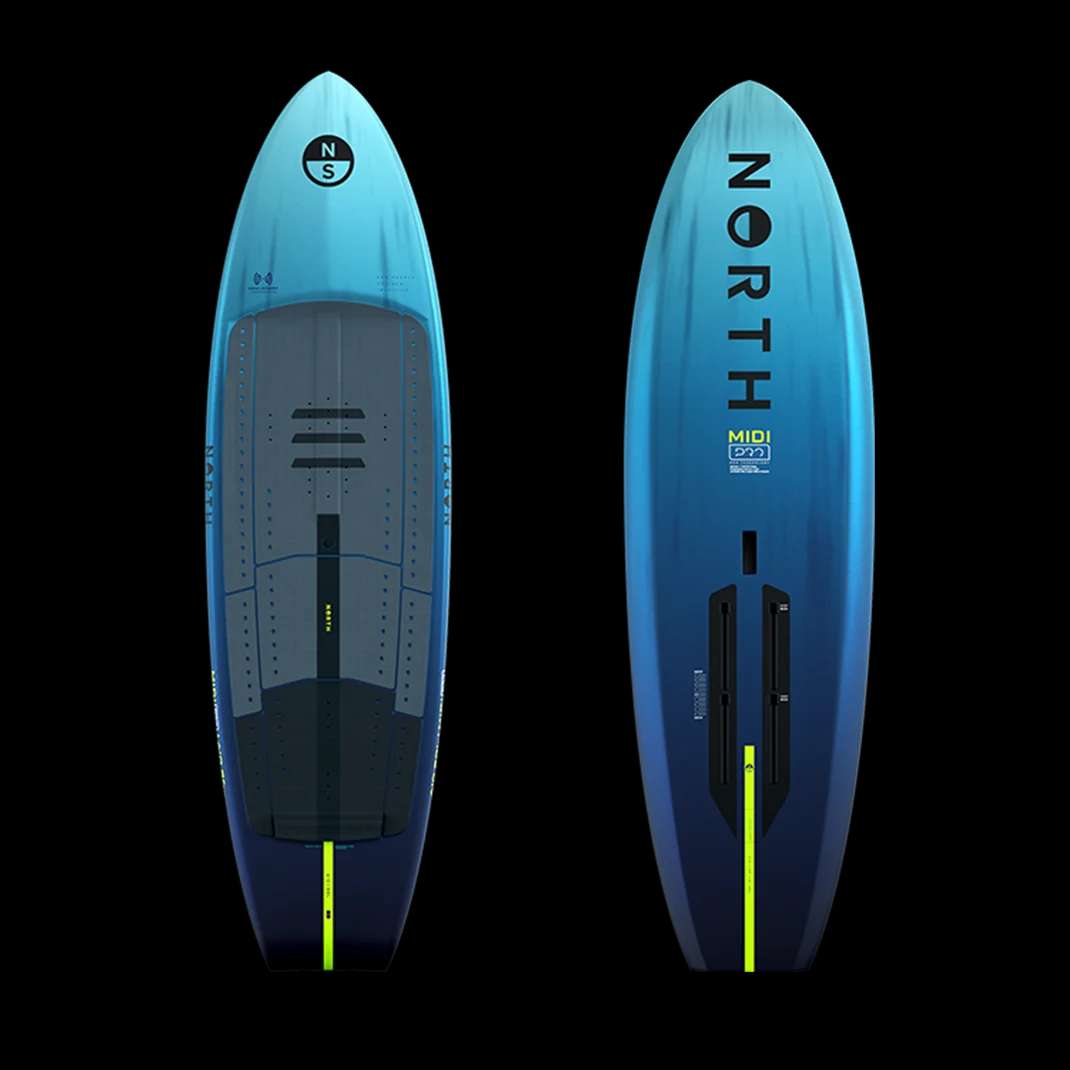
- Prone/surf foil board: lower volume, surf shape, for paddle takeoffs and wave riding.
- Downwind board: long and narrow, for paddle takeoffs and linking bumps.
- SUP foil board: high volume, for paddle-in foiling.
- Kite foil board: smaller and flatter, powered by a kite.
- eFoil board: integrated battery and motor; not a passive foil board.
Volume and size by discipline
For wing foiling, start at bodyweight in kilograms plus 30–40 litres. An 80kg rider wants roughly 110–120L. Prone and downwind boards are sized very differently and should be matched to the rider and conditions. Use the board volume calculator for wing foiling, and ask for discipline-specific advice before buying a prone or downwind board.
Shape, rocker and foil track
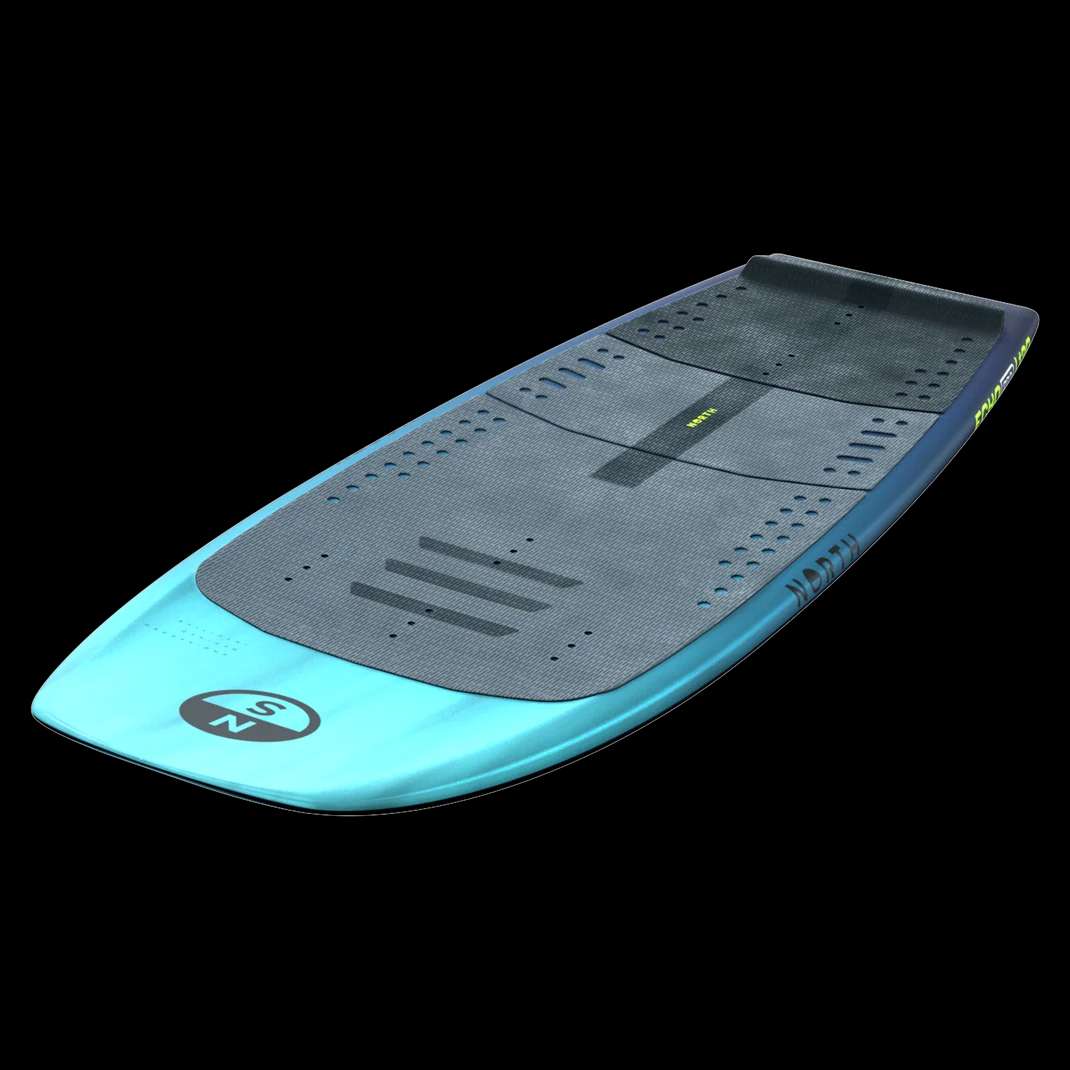
A wide midsection and a long track make a wing board easier to balance and tune. A surfier outline turns better but is less stable at low speed. The foil track lets you move the foil forward or back; a longer track gives more tuning range.
What to check before buying
- Foil box condition and reinforcement.
- Track length and bolt pattern.
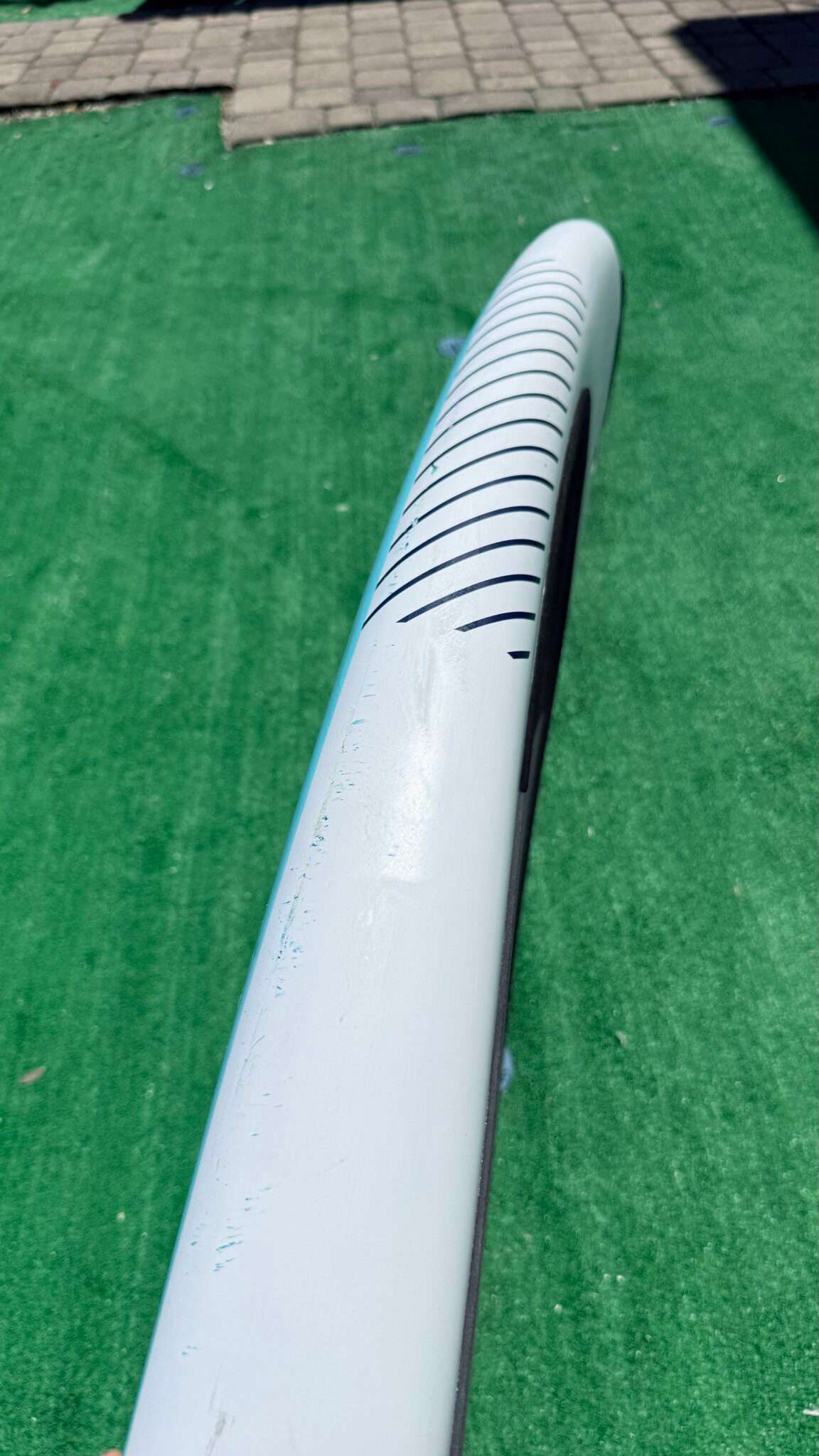
- Deck pressure dings and water ingress.
- Tail kick and rail shape for your discipline.
- Whether the board includes a bag, leash or hardware.
New vs used
Used foil boards are often the best value because volume does not go stale. Inspect the foil box, deck and tail, and check for water ingress. Our used gear guide explains what to look for.
Current board categories
Browse foil boards, wing packages or used gear. If you are still choosing a foil, read how to choose your first foil setup.
Common questions
What is a hydrofoil board?+
A board with a foil box and mast mount underneath. It can be a wing board, prone board, downwind board, SUP, kiteboard or eFoil board.
What size hydrofoil board do I need?+
For wing foiling, start at bodyweight in kilograms plus 30–40 litres. An 80kg rider wants roughly 110–120L. Prone and downwind boards are sized differently; ask for discipline-specific advice.
Can I use a wing board for prone foiling?+
It is possible but not ideal. Wing boards have more volume and a wider outline, which makes paddle takeoffs harder. A prone board is lower volume and surf-shaped.
What is the difference between a foil board and a hydrofoil board?+
In board sports, the terms are used interchangeably. A foil board is a board with a hydrofoil mounted underneath.
Do I need a special board for an eFoil?+
Yes. An eFoil board has integrated electronics, a battery compartment and a motor mount. You cannot convert a standard foil board without a kit designed for it.
How much does a hydrofoil board cost?+
Prices vary by brand, construction, size and whether it is new or used. Check the current foil board listings for exact pricing; used and outlet boards are often the best value.
Filed from the beach — Foilsummit Journal