Buying Guides | 8 min read
Parawing Setup Guide: Board, Harness and Stash Belt (2026)
2026-11-19 - words by Jonas Reeve

- Board
- Stable foil board
- Harness
- Optional
- Stash
- Belt or bag
- Lines
- Manufacturer-matched
- First session
- Flat water
- Level
- Intermediate+
A parawing is not a wing with a different canopy. It is a soft, ram-air wing on short lines, and the setup around it matters: the board, the bar, the harness and the way you pack it all change how the session feels.
The four parts of a parawing setup
- Parawing: the canopy, sized to your weight and wind.
- Bar and lines: the control system that comes with the wing; keep it matched to the model.
- Board and foil: a stable foil board with enough volume and a foil track.
- Harness or stash belt: optional, but useful for longer sessions and mid-run stowage.
Parawing board: what to use
You do not need a parawing-specific board to start. A stable wing foil board with enough volume and a foil track works. Parawing boards are often longer and narrower, which helps with paddle takeoffs, downwind runs and keeping the nose up when you are learning to handle the canopy. If you already own a wing board, use it for the first sessions and put the money into a second wing or a better foil.
Harness and line length
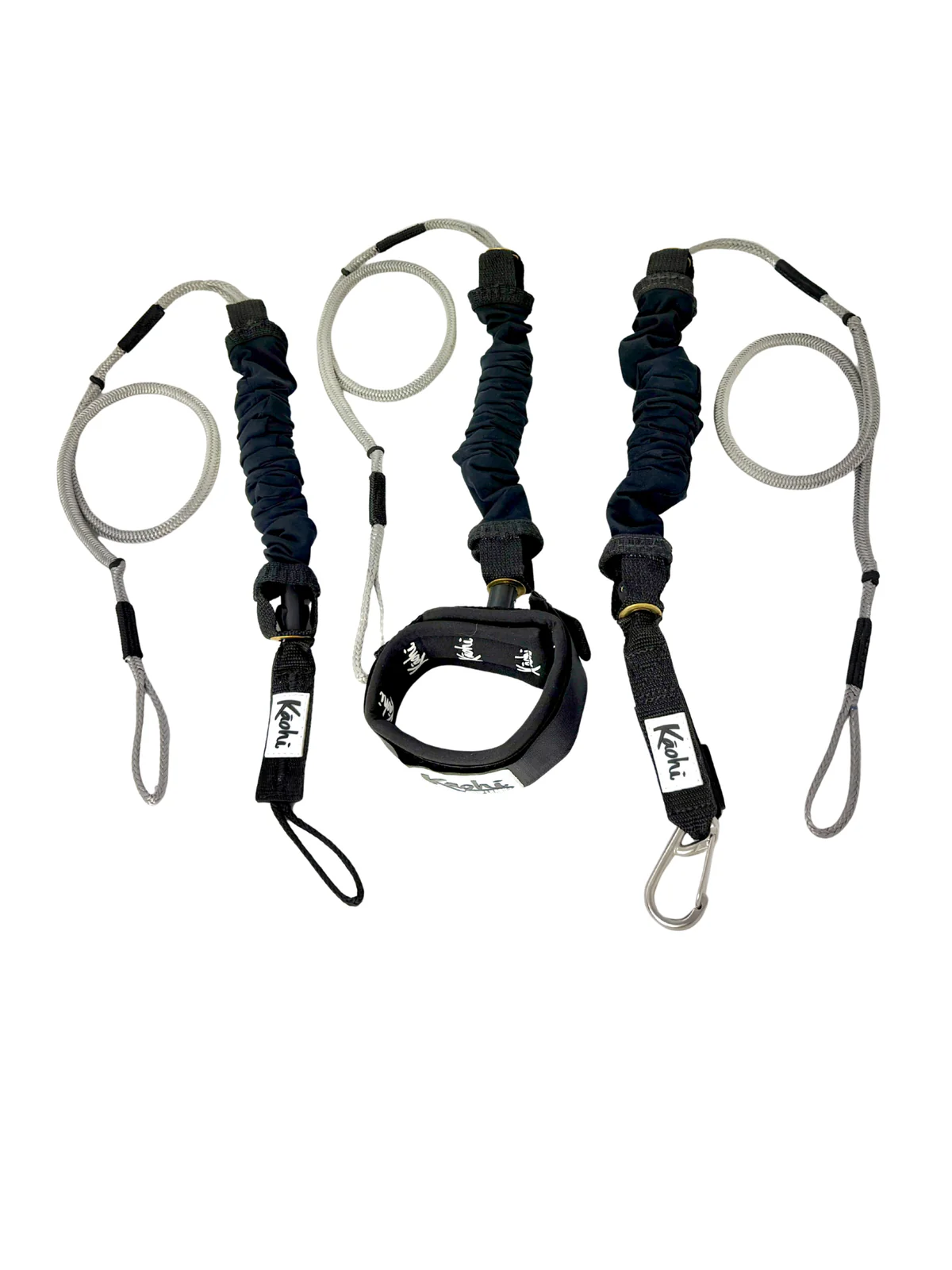
A parawing harness is optional. It takes the load off your arms and lets you ride longer, but it adds one more thing to manage. Start with the manufacturer's recommended line length for the bar and harness you own. Most parawing harness lines are short; the right length depends on your reach, the bar and how much trim you want. Change one variable at a time and test on flat water.
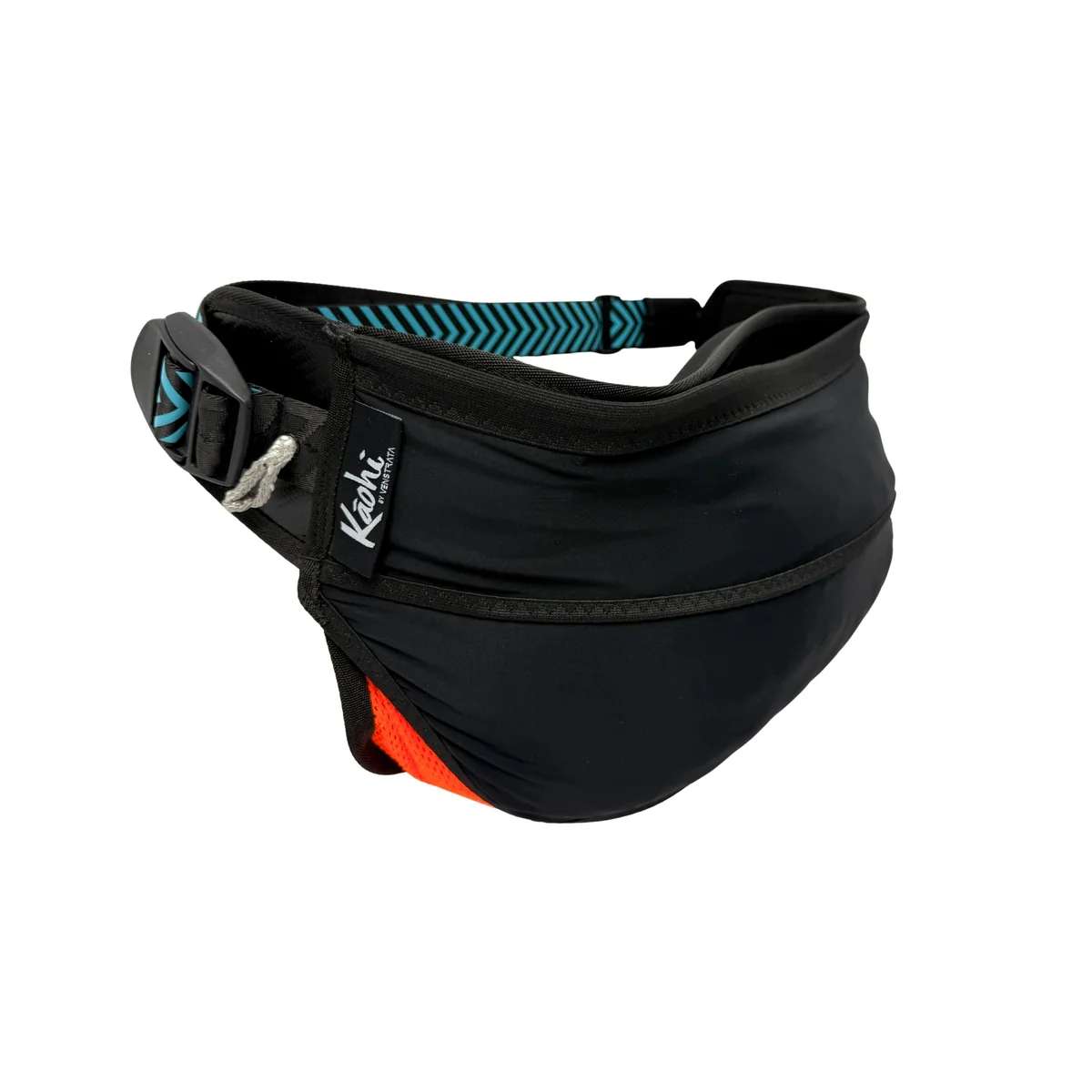
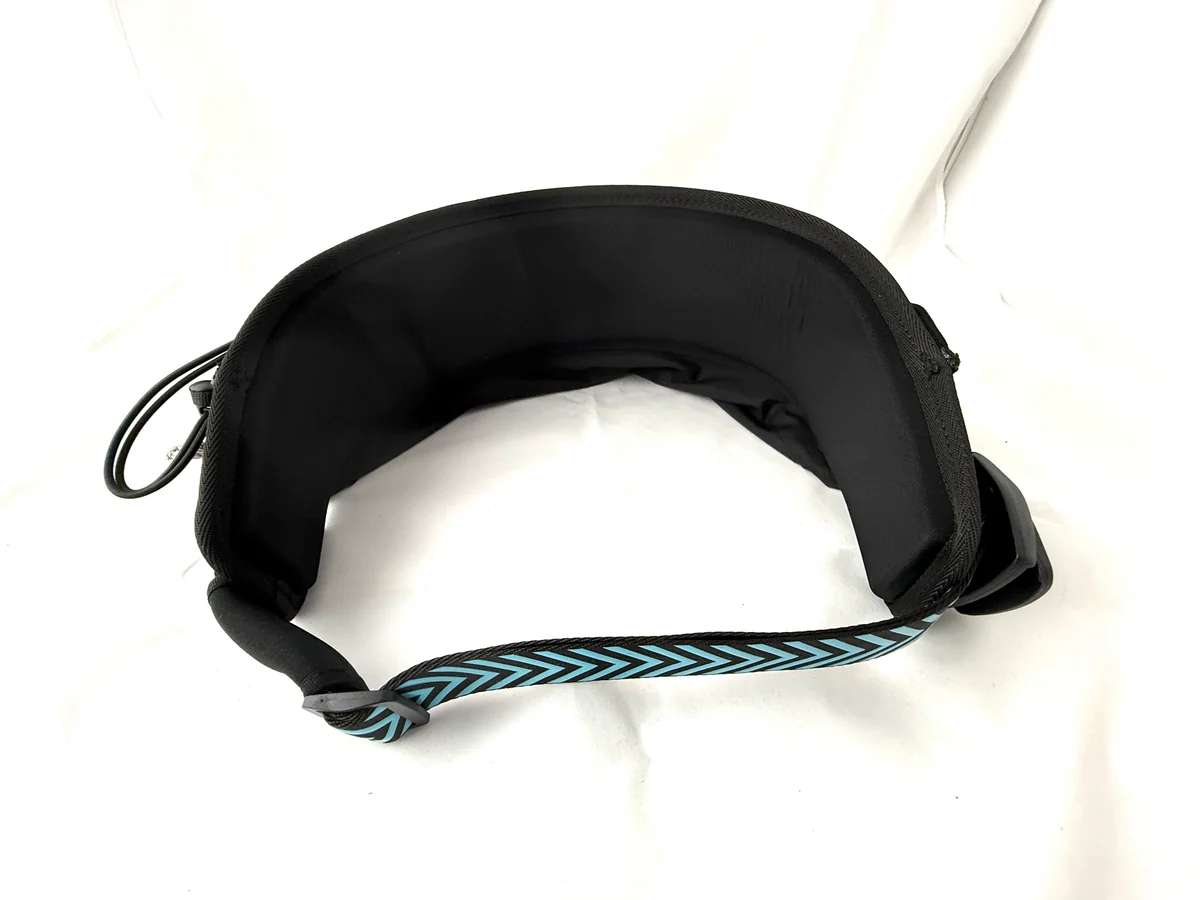
Stash belt and bag
A stash belt or waist bag lets you pack the parawing mid-session so you can ride swell hands-free. That is the main reason downwind riders use one. Practise stowing and redeploying on flat water before you rely on it in swell. A bag is also useful for travel and for keeping sand out of the canopy.
Bar and line setup
Use the bar and lines that come with the parawing, or the manufacturer's matched replacement. Do not mix a bar from a different model unless the manufacturer confirms compatibility. Check the lines for wear, knots and tangles before every session, and learn the launch, depower and stow sequence on land first.
What to check before your first session
- Wind: steady 12–20 knots is easier than gusty or marginal wind.
- Space: a clean launch with room to lay out the canopy.
- Board: enough volume to stand and paddle back if the wind drops.
- Safety: impact vest, helmet and a leash appropriate for foiling.
- Exit: a downwind or cross-shore plan, not offshore.
Current parawing options
These are current options from our range. Availability changes, so check the product page before ordering.
- Ozone Pocket Rocket V2 Parawing — compact downwind option.
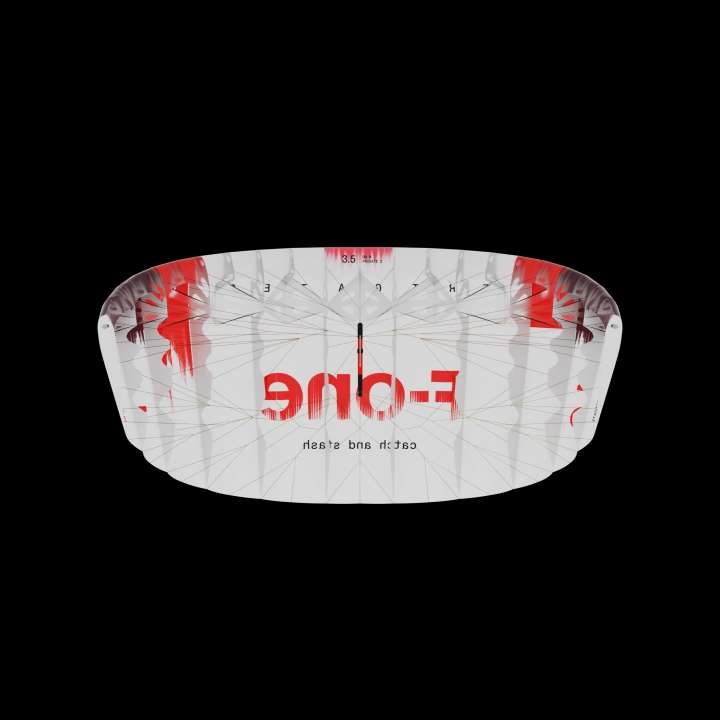
- F-One Frigate V2 Parawing — downwind and travel.
- North Ranger Parawing — accessible downwind option.
- Duotone Stash Parawing — packable, stash-belt friendly.
- PPC Orbit Dual Skin Parawing — dual-skin option.
What it costs
A parawing alone is usually less than a complete wing foil setup because you may already own the board and foil. A complete parawing package costs more because it includes the board and foil. Check the current listings for exact pricing; prices and availability change.
Browse parawings for sale, compare parawing vs wing foil, or read the parawing beginner guide. If you are between sizes, start with the parawing size chart.
Common questions
What board do I need for parawing?+
A stable foil board with enough volume and a foil track. You do not need a dedicated parawing board to start; a wing foil board works for the first sessions.
Do I need a harness for parawing?+
Not to start. A waist or seat harness with a short line reduces arm fatigue on longer sessions, but it adds one more thing to manage. Learn handheld first if you can.
What is a parawing stash belt?+
A waist belt or bag that lets you pack the parawing mid-session so you can ride swell hands-free. Practise stowing and redeploying on flat water before using it in swell.
How long should parawing harness lines be?+
Start with the manufacturer's recommended length for your bar and harness. Most parawing lines are short; the right length depends on your reach and how much trim you want. Change one variable at a time.
Can I use my wing foil board for parawing?+
Yes, if it has enough volume and a foil track. A dedicated parawing board is often longer and narrower for paddle takeoffs and downwind, but it is a later upgrade.
What size parawing for an 80kg rider?+
Most 80kg riders start around 3.5–4.5m² in 15–20 knots, but sizing is model-specific. Check the manufacturer's rider-weight and wind chart before choosing.
Do I need a special bar for parawing?+
Use the bar and lines that come with the parawing, or the manufacturer's matched replacement. Do not mix a bar from a different model unless the manufacturer confirms compatibility.
Filed from the beach — Foilsummit Journal