Buying Guides | 8 min read
Used Foil Gear Buying Guide: What to Check (2026)
2026-11-01 - words by Sam Calder | Updated 2026-11-17
- Best value
- Complete foil kits
- Inspect first
- Front wing + mast
- Board check
- Foil box + water
- Wing check
- Valve + seams
- Avoid
- Soft trailing edge
Used is the smartest way into foiling - the sport is growing fast, gear turns over quickly, and a two-season-old foil rides almost identically to new. But some parts age badly, and knowing which is the difference between a bargain and a money pit.
The 10-minute inspection
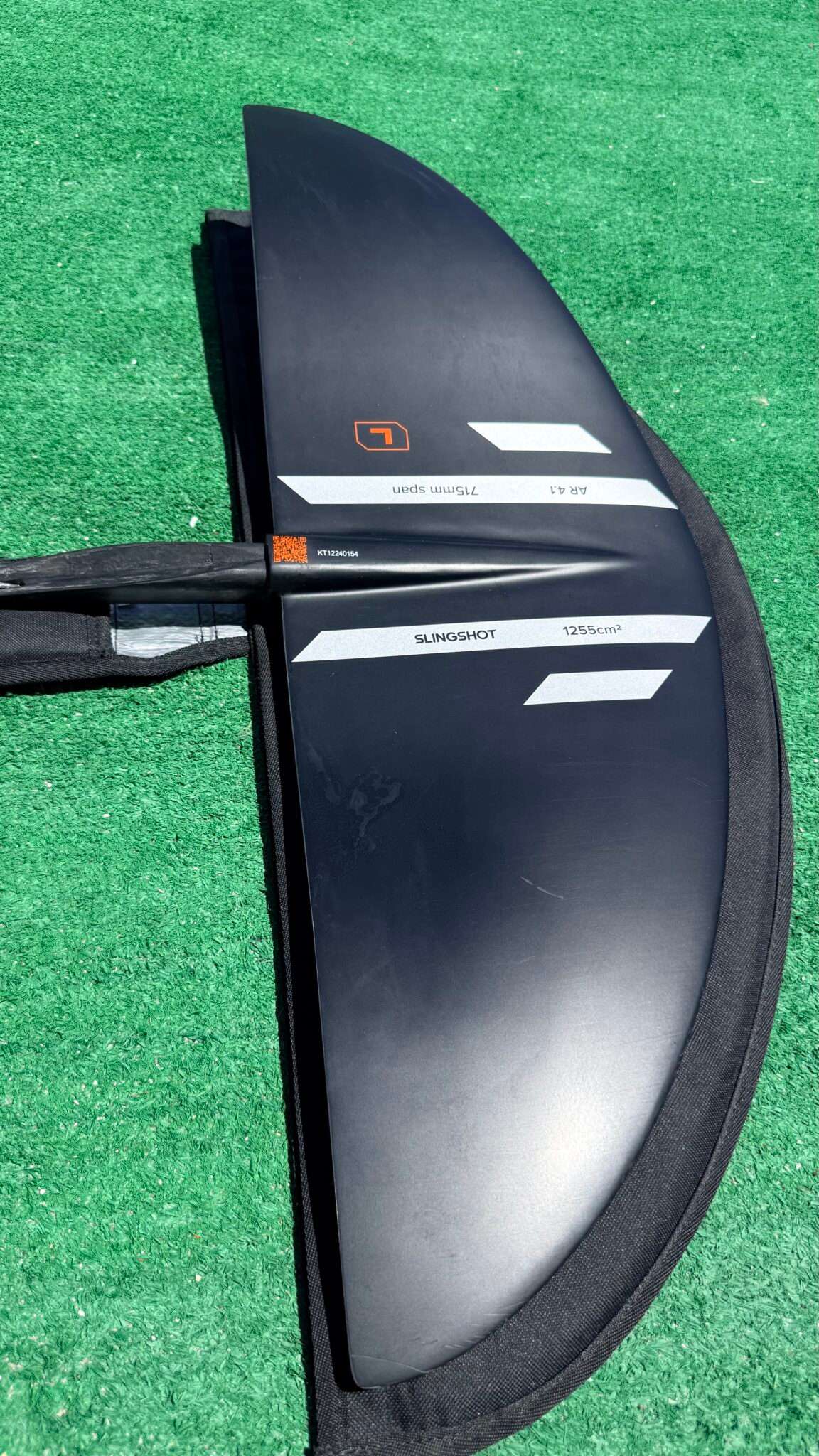
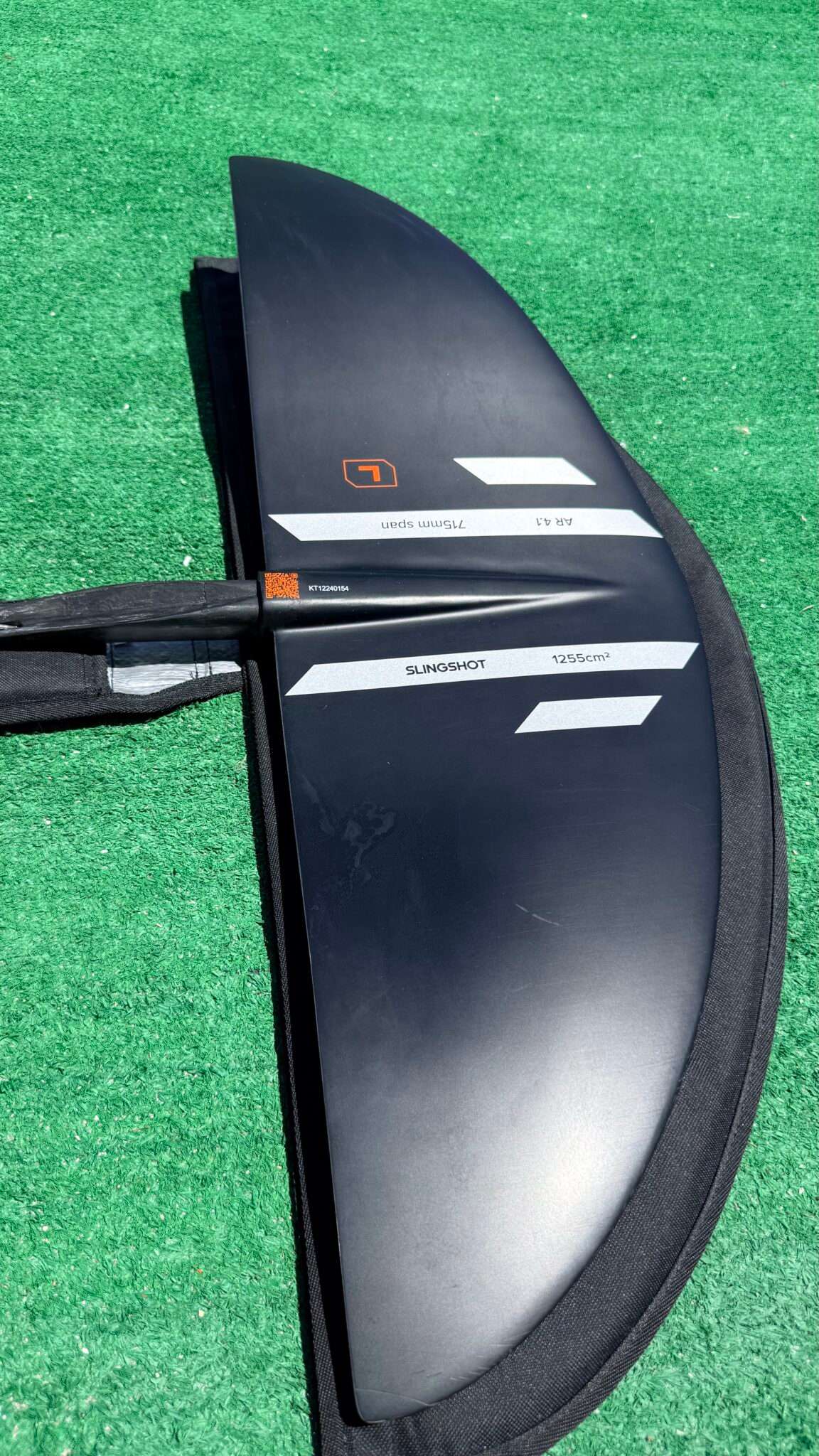
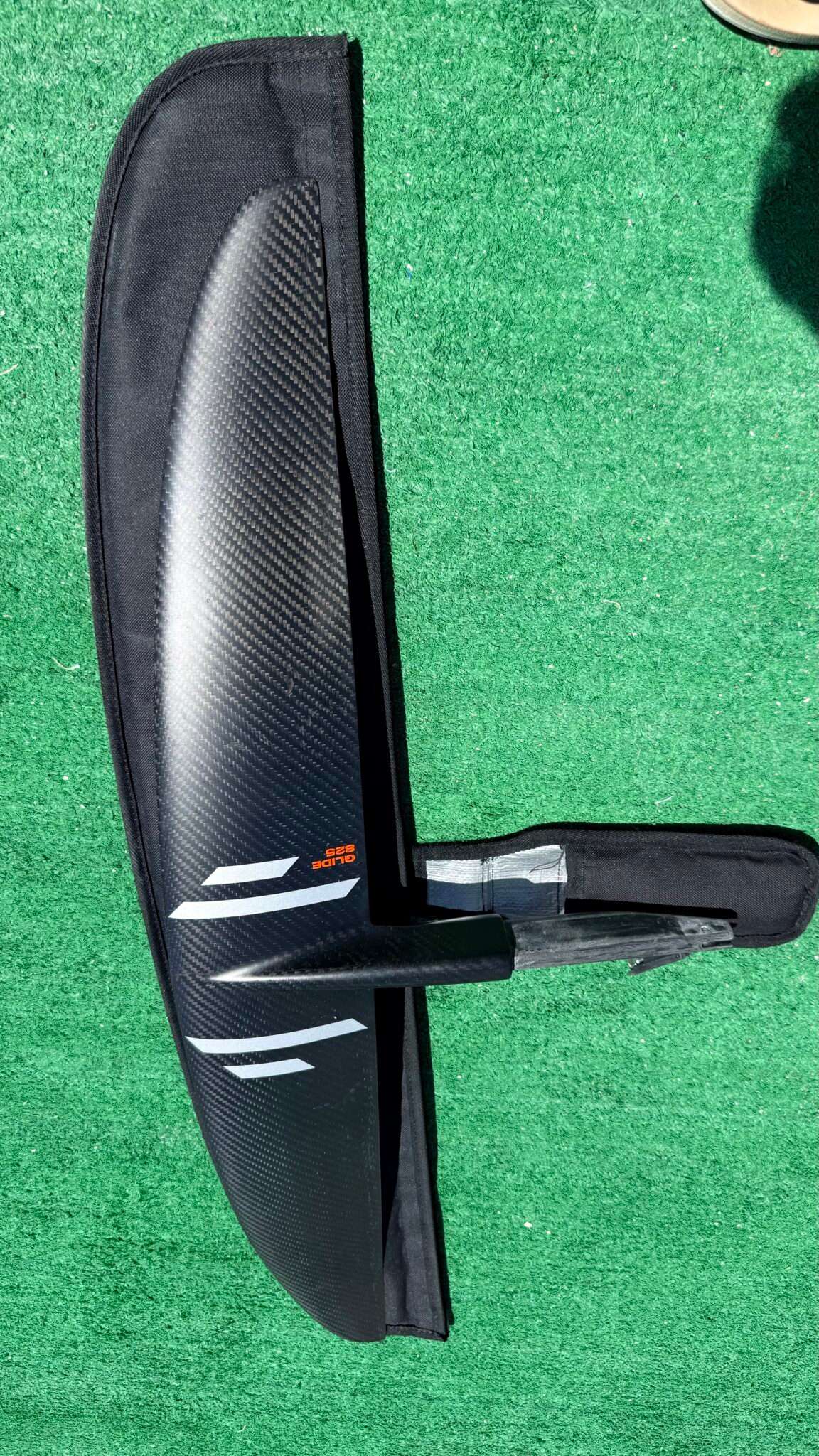
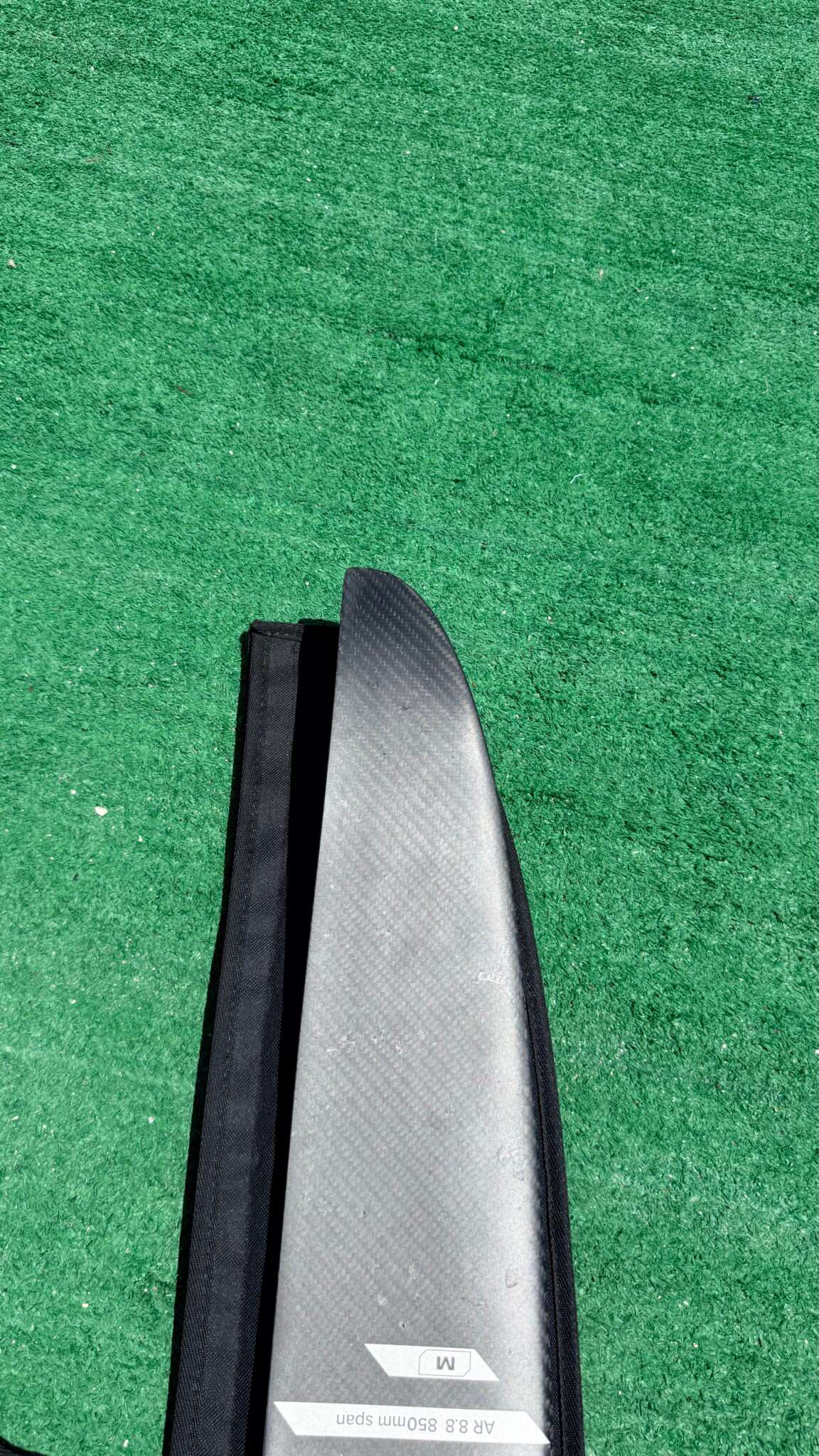
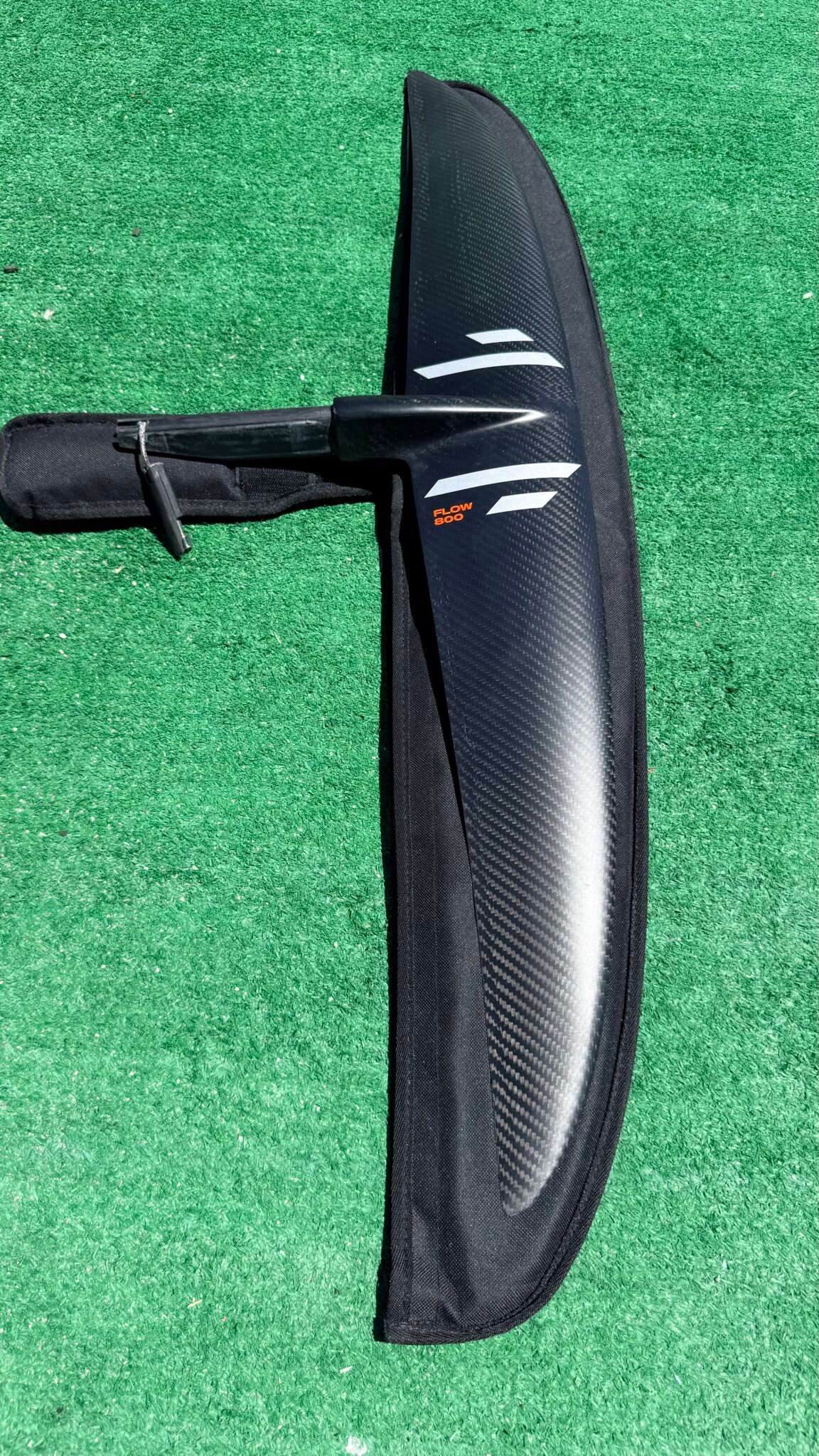
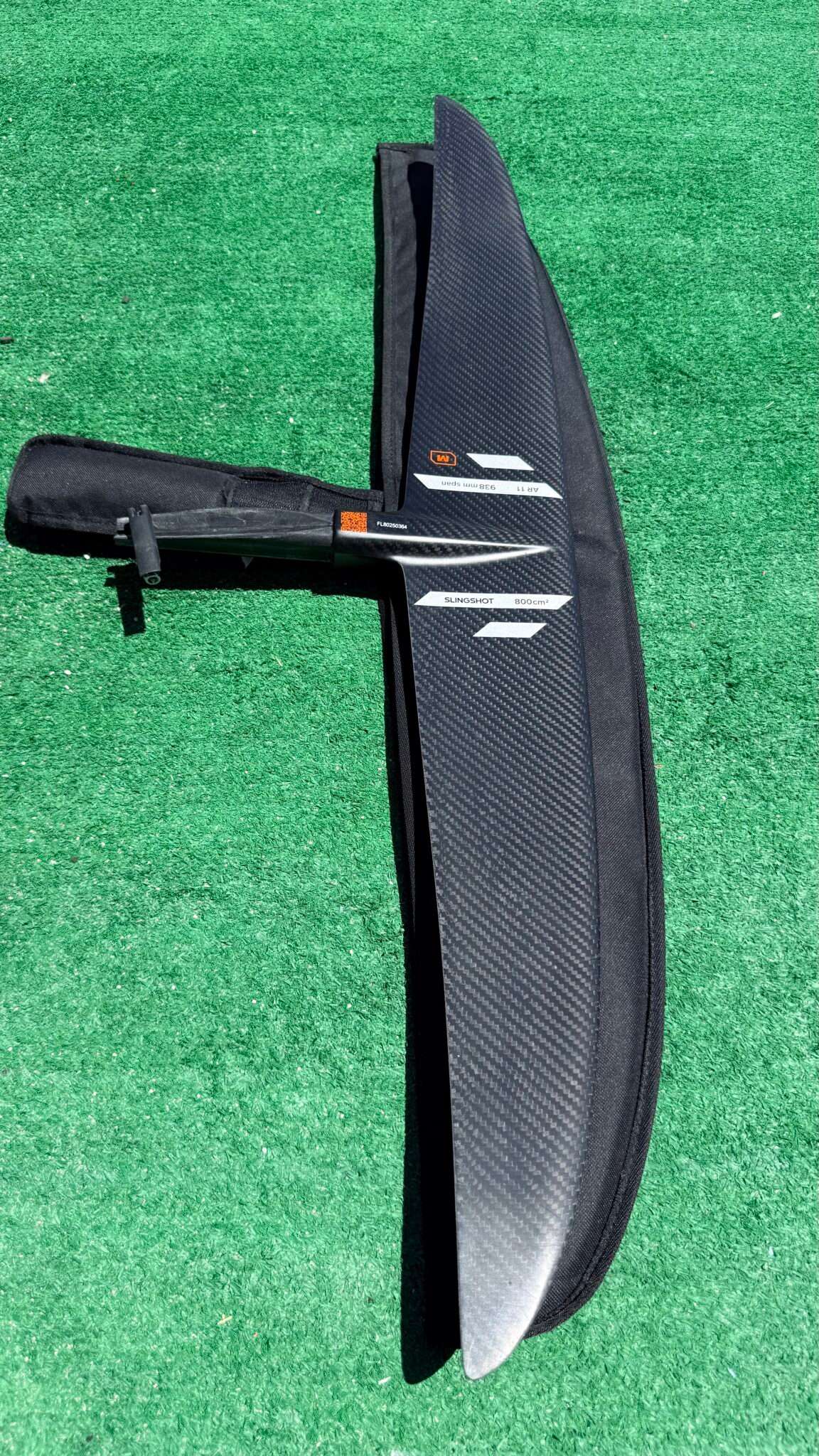
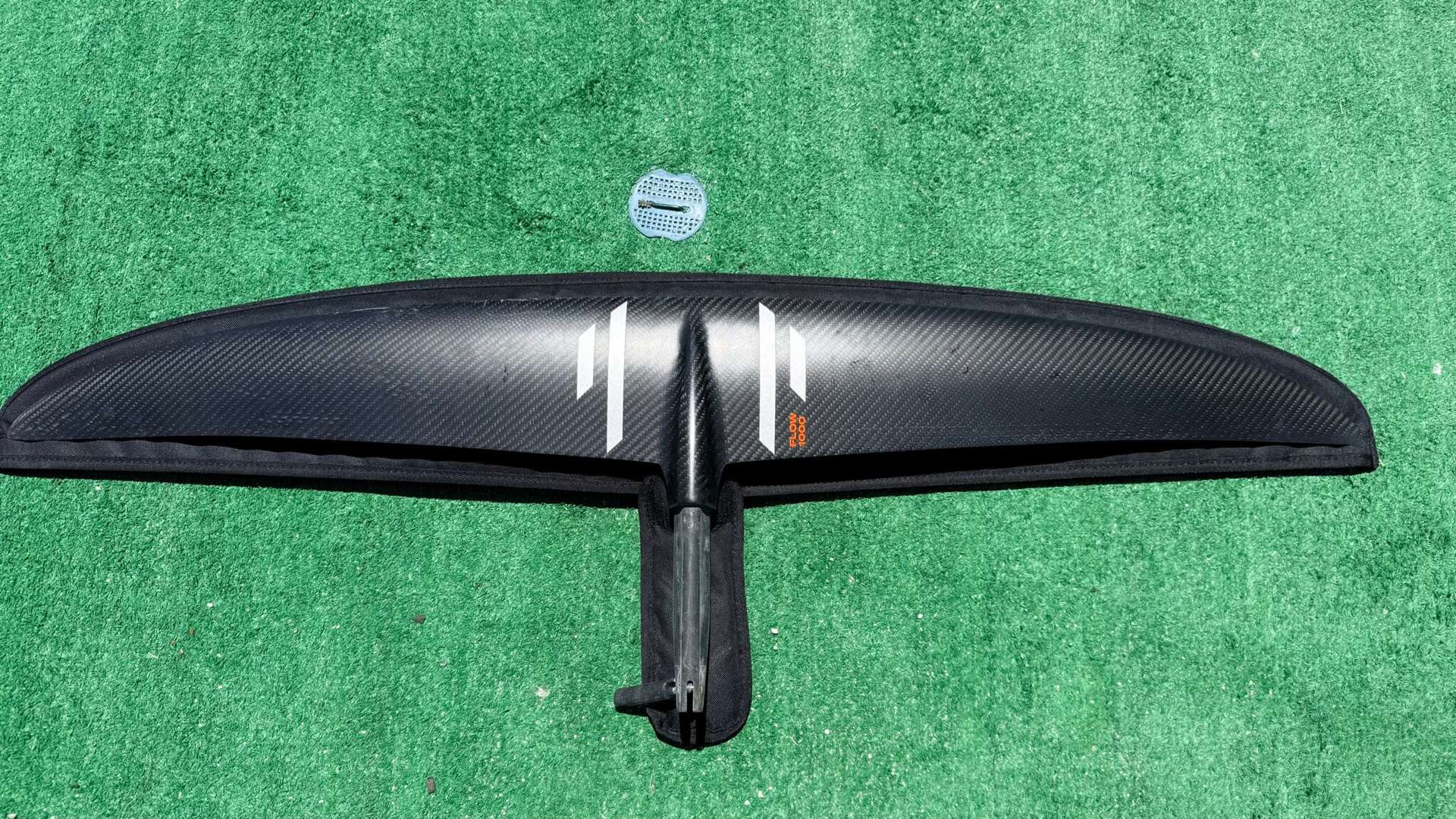
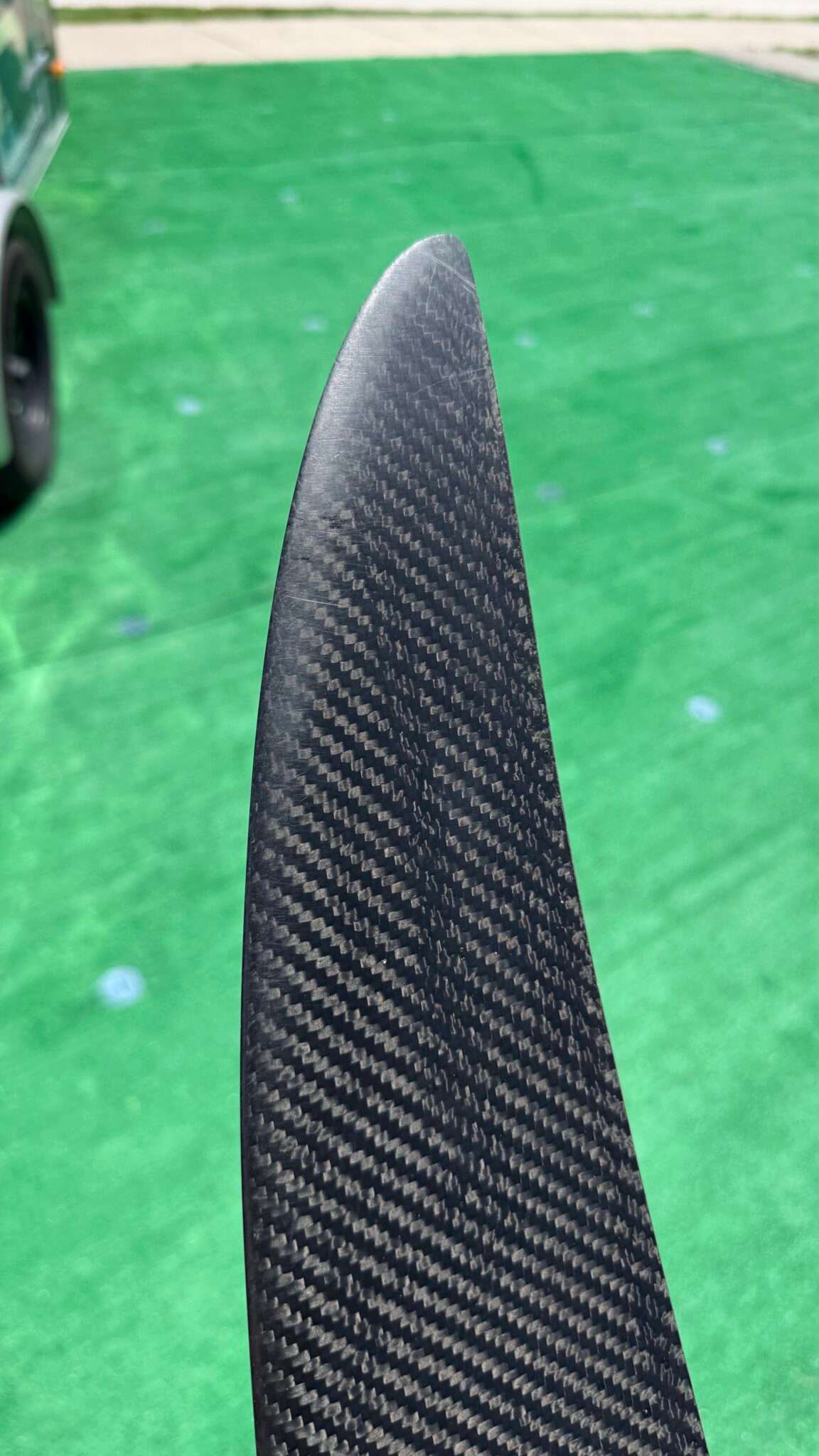
- Front wing and stabilizer: run a thumb along the trailing edge, look for cracks, soft spots and repairs that were not colour-matched. A solid filler repair is fine; a wing that flexes under hand pressure is not.
- Mast and fuselage: check every stainless bolt and threaded insert for white corrosion powder. Salt sitting in the connection is a warning sign, even if the foil still assembles.
- Board: press along the deck for delamination, inspect every fin box and foil mount for spider cracks, and look at the tail for water ingress. A waterlogged board feels heavy and dull in your hands.
- Inflatable board: ask the seller to inflate it before you arrive and leave it under pressure for at least 20 minutes. Check the valve, seams and deck pad.
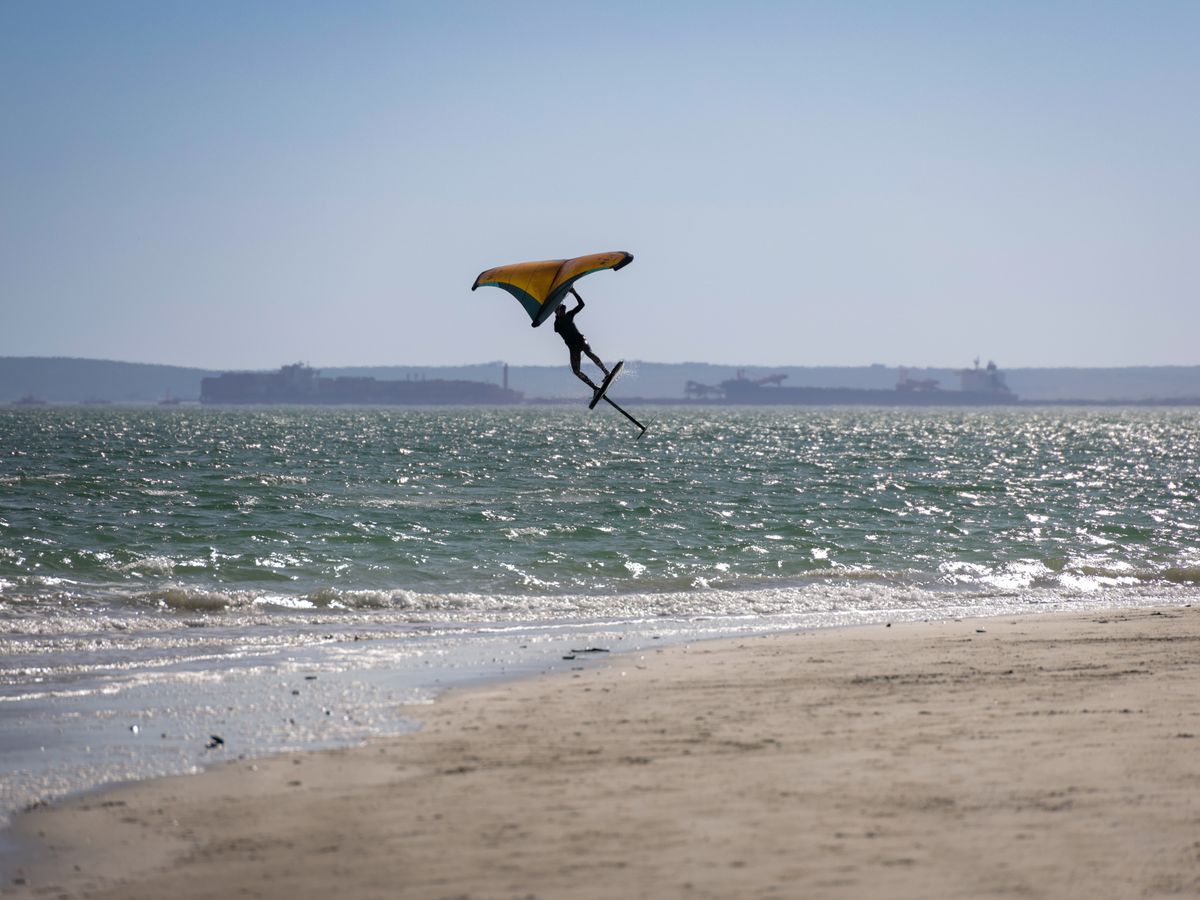
- Wing or kite: inflate and leave it for 20 minutes, then check every seam, valve and strut for soft spots. A replaced bladder is normal; a leaking valve is not.
- Kite bar and lines: look for fraying, UV damage and stretched lines. A new line set is cheap compared with a kite that flies badly.
What to walk away from
- A front wing with a soft, flexing trailing edge or a repair you cannot identify.
- A board with crunching under the deck, a cracked foil box or a tail that has taken on water.
- A wing with a leaking valve, delaminating seam or a bladder that will not hold pressure.
- A kite with a torn canopy, broken battens or a bar with frayed lines and a sticky release.
- Any eFoil or foil-assist battery that has been submerged, stored flat for years or has unknown history.
What is safe to buy used
Aluminium masts, fuselages, stabilizers, boards with solid boxes and complete foil kits from known brands are usually safe. Cosmetic wear on a board or wing is normal. A used wing that holds pressure and has clean seams is often the best value in the quiver.
Buy from a shop, not a marketplace gamble
A shop can inspect the gear, describe the condition honestly and stand behind the sale. That is the idea behind our used gear: checked, priced to move and ready for another season. If you are selling instead, the consignment page explains how we review, price and list a complete setup.
Common questions
Is used foil gear worth buying?+
Usually yes. Foils and boards hold up well, and a two-season-old kit can ride almost like new. Inspect the front wing, mast connection, board foil box and wing valves before you buy.
What should I check on a used foil board?+
Press the deck for delamination, inspect the foil box and fin boxes for cracks, and check the tail for water ingress. A waterlogged board feels heavy and dull.
Can I buy a used wing or kite?+
Yes, if it holds pressure and the seams and valves are sound. Inflate it and leave it for at least 20 minutes before you commit.
Do you inspect used gear before selling it?+
Yes. We inspect and describe used gear honestly, and used items are sold as-is with condition notes. If you want more detail, message us before ordering.
Filed from the beach — Foilsummit Journal