Basics | 10 min read
What Is a Parawing? A Beginner's Guide to Parawing Foiling
2026-11-17 - words by Jonas Reeve | Updated 2026-11-19

- What
- Soft ram-air wing
- Steering
- Short lines + bar
- Typical size
- 3-5m²
- Pump
- Not needed
- Best for
- Downwind and travel
- Level
- Experienced foilers
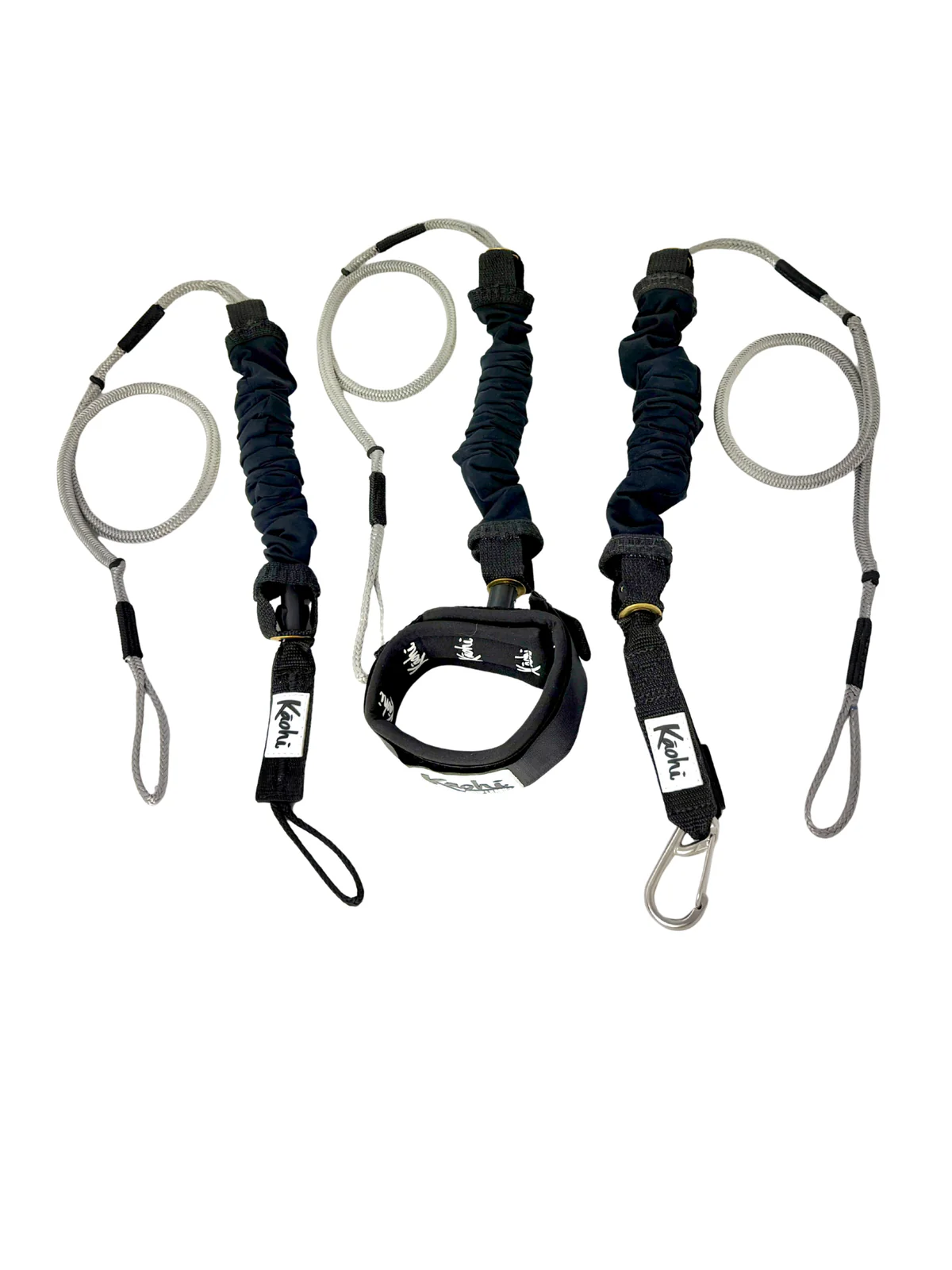
A parawing sits between a wing and a kite. It has no inflatable leading edge, no struts and no boom. The canopy takes its shape from the wind, and you steer it with a small bar connected by short lines. Most parawings pack into a backpack or waist pouch.
How a parawing works
You launch the canopy, let the wind fill it, and use the pull to get onto foil. Unlike an inflatable wing, a parawing generates forward drive rather than vertical lift, so you need board speed and foil skill before it makes sense. Once you are flying, you can collapse and stow the wing, ride the swell, then redeploy it to work back upwind.
Parawing vs wing vs kite
- Parawing: soft canopy, short lines, small bar, no pump, stows mid-session. Best for downwind, travel and experienced foilers.
- Inflatable wing: rigid frame, handheld, easy relaunch and depower. Best for learning, freeride and gusty wind.
- Kite: large canopy, long lines, harness and bar. Most power and range, but the longest learning curve.
Parawing vs kitesurfing
A parawing is not a kitesurfing kite. It uses short lines and a small control bar, and you do not need a kiteboard, a long-line launch or a full kite harness. The canopy is ram-air, so it shares DNA with a kite, but the handling and safety profile are closer to a wing. If you already kitesurf, the wind reading and canopy awareness transfer; the short-line handling still takes practice.
Who a parawing is for
Parawings are not a first foiling tool. They suit riders who can already get up, stay on foil and manage a board in swell. If you are still learning to wing, start with an inflatable wing and a big board; the parawing will make more sense once foil control is automatic.
Parawing board: do you need a special board?
Not necessarily. A stable wing foil board with enough volume and a foil track works for learning to handle the parawing. Parawing-specific boards are often longer and narrower, which helps with paddle takeoffs, downwind runs and stowing the wing. If you already own a wing board, start there; a dedicated parawing board is a later upgrade.
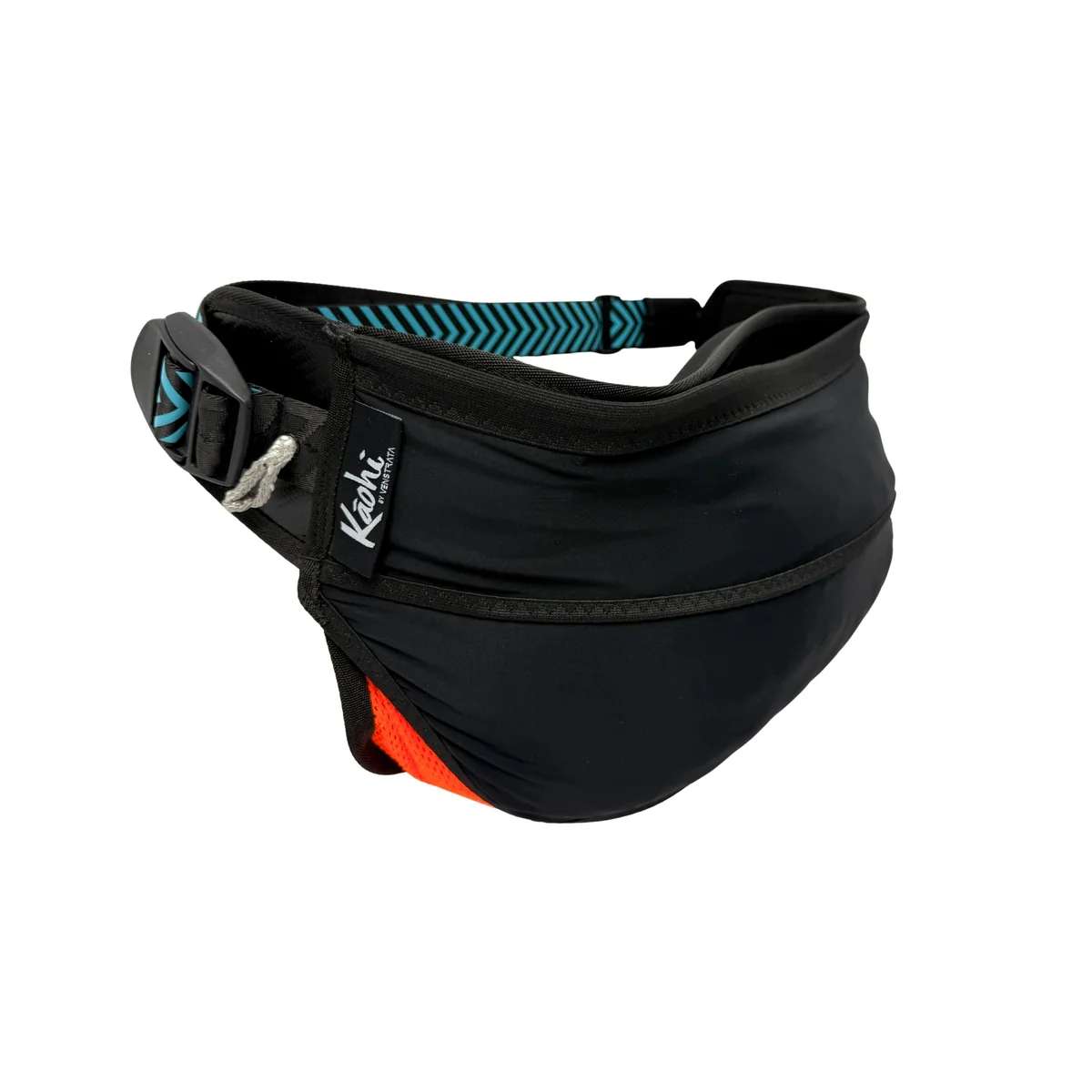
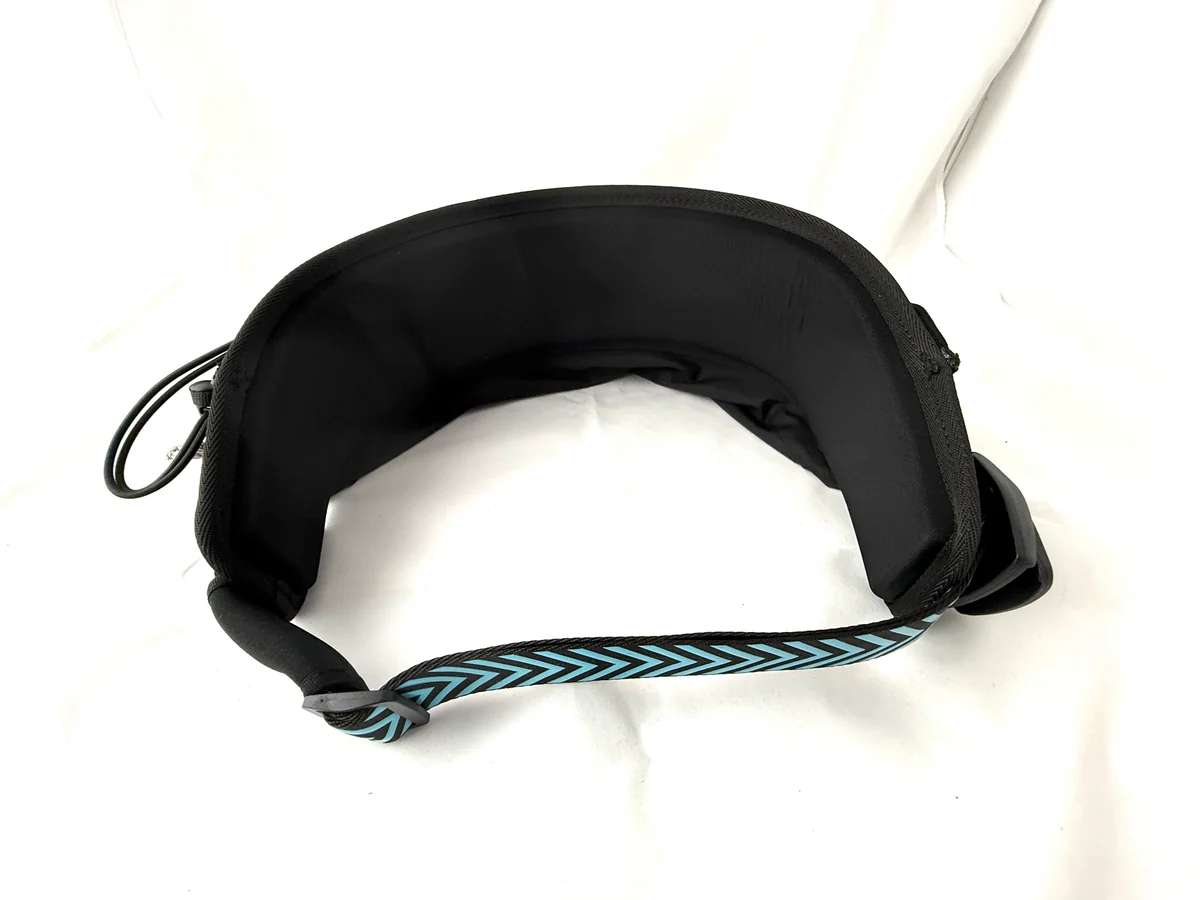
Parawing harness and stash belt
A harness is optional. It takes the load off your arms on longer sessions and is usually a waist or seat harness with a short line. A stash belt or waist bag lets you pack the wing mid-session so you can ride swell hands-free. Practise stowing and redeploying on flat water before you rely on it in swell.
Parawing size chart
Most parawings sit in the 3-5m² range, but the exact size depends on the model, your weight and the wind. Use the manufacturer's rider-weight and wind chart for the specific wing. As a rule: bigger for light wind or heavier riders, smaller for strong wind or lighter riders. If you are between sizes, tell us your weight, board and typical wind and we will narrow it down. See the parawing size chart for starting ranges.
Can you parawing in light wind?
Parawings have a narrower wind range than inflatable wings. You can size up for light wind, but the canopy needs steady wind to stay inflated and fly well. In marginal or gusty conditions, an inflatable wing is usually the easier choice. If your local wind is often below 12 knots, a wing or an eFoil is a more reliable session.
What you need
- A parawing in the right size for your weight and wind.
- The matching control bar and lines.
- A waist pouch or stuff sack if you plan to stow it on the water.
- A foil board and foil you can already ride consistently.
- An impact vest and helmet for learning.
Learning curve and safety
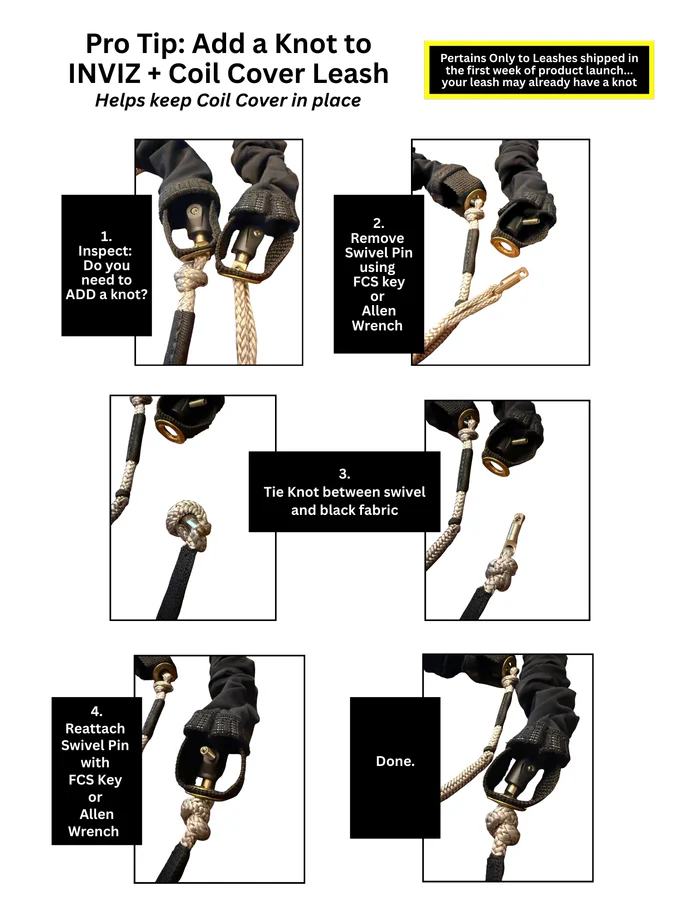
Line tangles are the most common beginner frustration. Practise launch, stow and redeploy in flat water before you take it into swell. A lesson or a session with an experienced parawing rider shortens the curve. Keep clear of other water users and do not treat a parawing as a beginner's first wind sport.
Browse parawings for sale, compare parawing vs wing foil, or read our best parawings for downwind guide. If you are setting up your first session, use the parawing setup guide. If you are still choosing a foil setup, start with the size charts.
Common questions
What is a parawing?+
A parawing is a soft, ram-air wing flown on short lines. It packs small, needs no pump and can be stowed mid-session to ride swell hands-free.
What size parawing do I need?+
Most parawings sit around 3-5m², but the right size depends on the model, your weight and the wind. Use the manufacturer's rider-weight and wind chart, or ask us with your weight, board and typical wind.
Is a parawing good for beginners?+
Usually not. It is more technical to handle and relaunch than an inflatable wing. Most riders learn to foil on a wing first, then add a parawing.
Does a parawing need a pump?+
No. It is a ram-air wing that inflates in the wind, which is why it packs down so small.
What is a parawing board?+
A foil board set up for parawing, often longer and narrower than a wing board to help with paddle takeoffs and downwind runs. You do not need a dedicated board to start; a stable wing foil board with enough volume works.
Do you need a harness for a parawing?+
Not to start. Many riders learn handheld first, then add a waist or seat harness with a short line for longer sessions. A harness reduces arm fatigue but adds one more thing to manage.
Is parawing the same as kitesurfing?+
No. A parawing uses short lines and a small bar, with no kiteboard or long-line launch. It shares ram-air canopy DNA with a kite, but the handling is closer to a wing.
Can you parawing in light wind?+
It is possible with a larger size and steady wind, but parawings have a narrower wind range than inflatable wings. In marginal or gusty conditions, a wing or an eFoil is usually the easier session.
What size parawing does an 80kg rider need?+
Most 80kg riders start around 3.5–4.5m² in 15–20 knots, but sizing is model-specific. Check the manufacturer's rider-weight and wind chart before choosing.
How much does a parawing cost?+
Prices vary by brand, size and construction. A parawing is usually less expensive than a complete wing foil setup because you may already own the board and foil. Check the parawing category for current pricing and availability.
Filed from the beach — Foilsummit Journal