Basics | 9 min read
Kiteboarding for Beginners: Gear and First Sessions (2026)
2026-11-19 - words by Sam Calder
- First step
- Lessons
- Kite
- 9–12m
- Board
- 136–142cm
- Wind
- 15–20 kt
- Harness
- Seat or waist
- Safety
- Self-rescue
Kiteboarding has a steeper learning curve than wing foiling because the kite, lines, board and harness all demand attention at once. That is exactly why lessons are worth the money: an instructor compresses the first ten sessions into a few hours and keeps you out of the dangerous mistakes.
Start with lessons
A good beginner course covers kite setup, safety systems, launch and land, body dragging, self-rescue and the first waterstarts. Do not skip the self-rescue lesson. It is the skill that gets you home when the wind drops or the kite goes down.
Gear you need
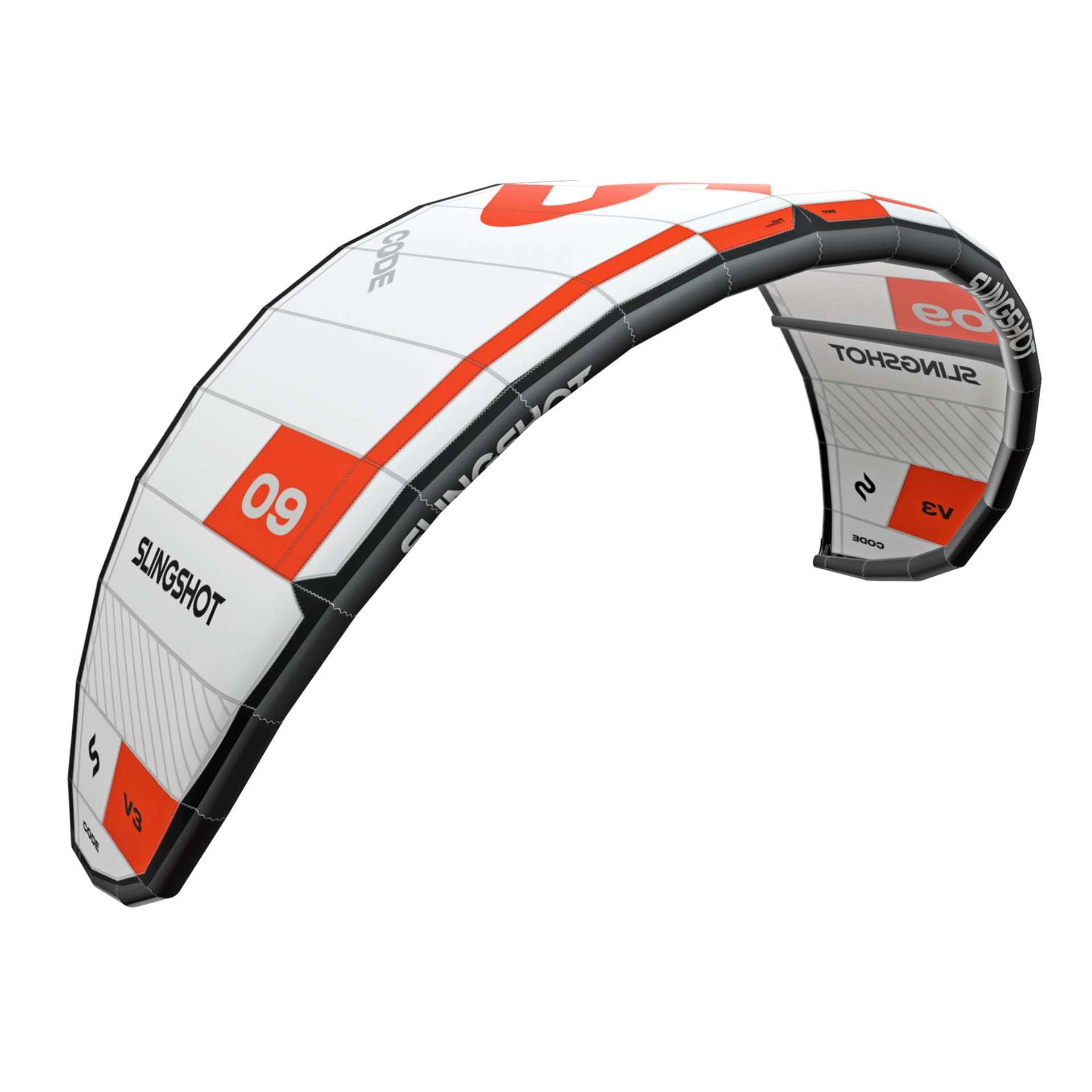
- Kite: 9–12m for most adults in 15–20 knots; smaller for lighter riders or stronger wind.
- Bar and lines: matched to the kite, with a working quick release and safety system.
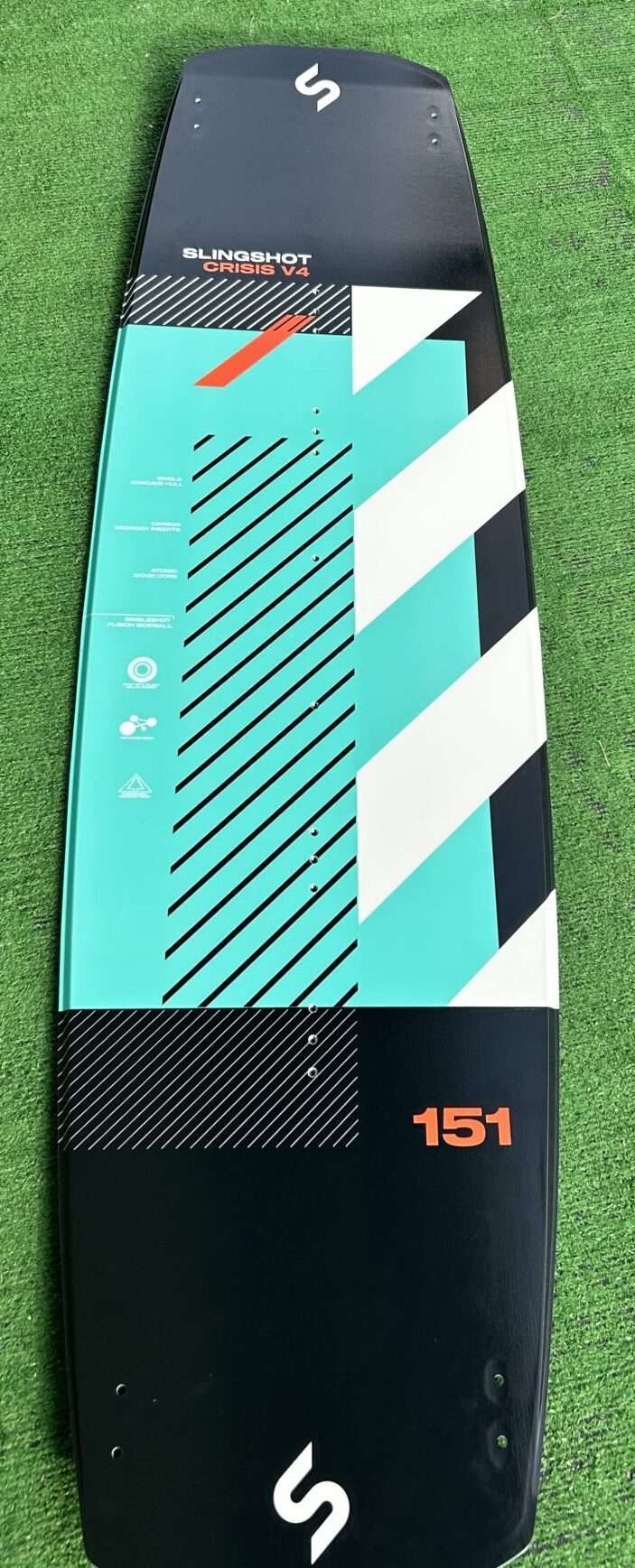
- Board: a twintip around 136–142cm for most adults; see the kiteboard size chart.
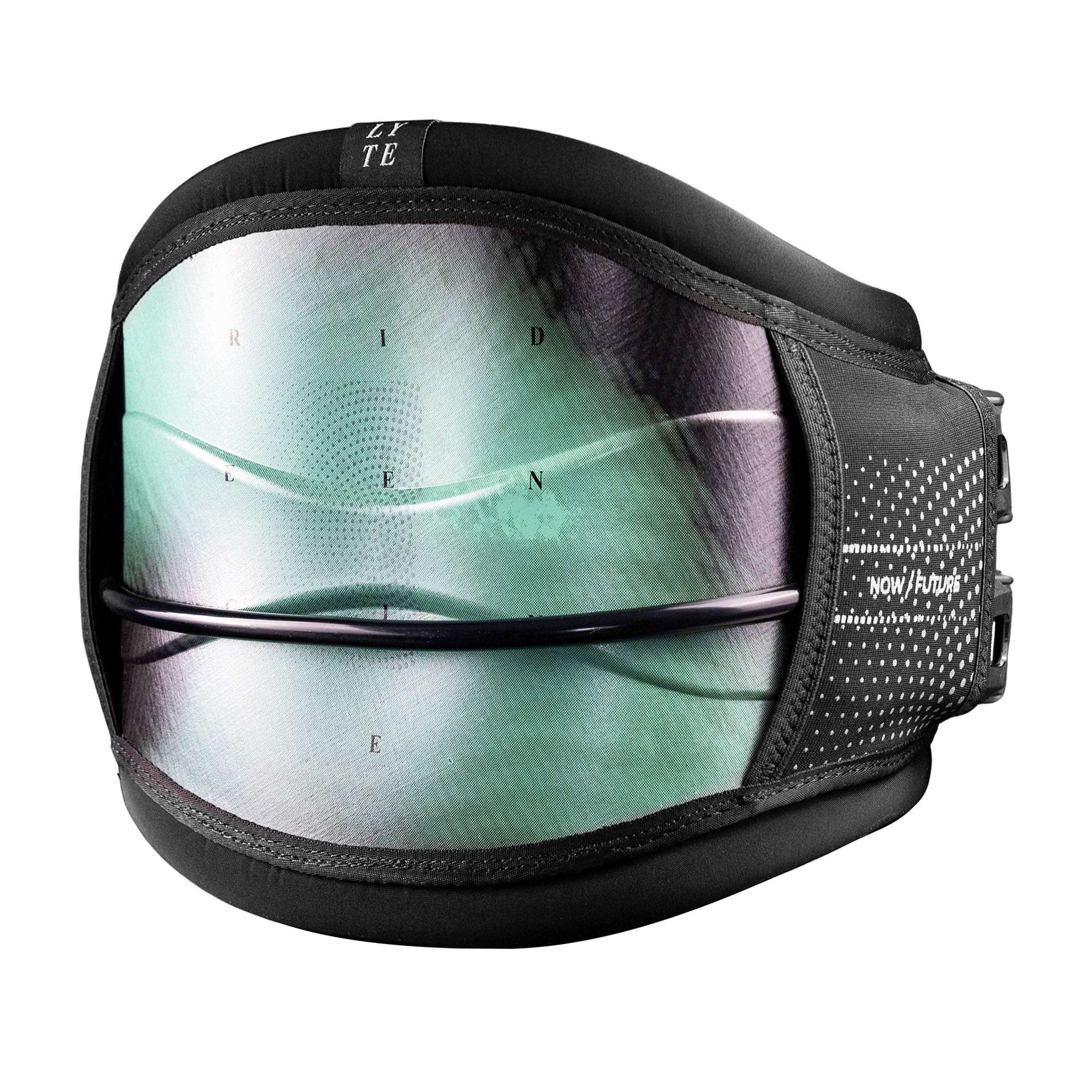
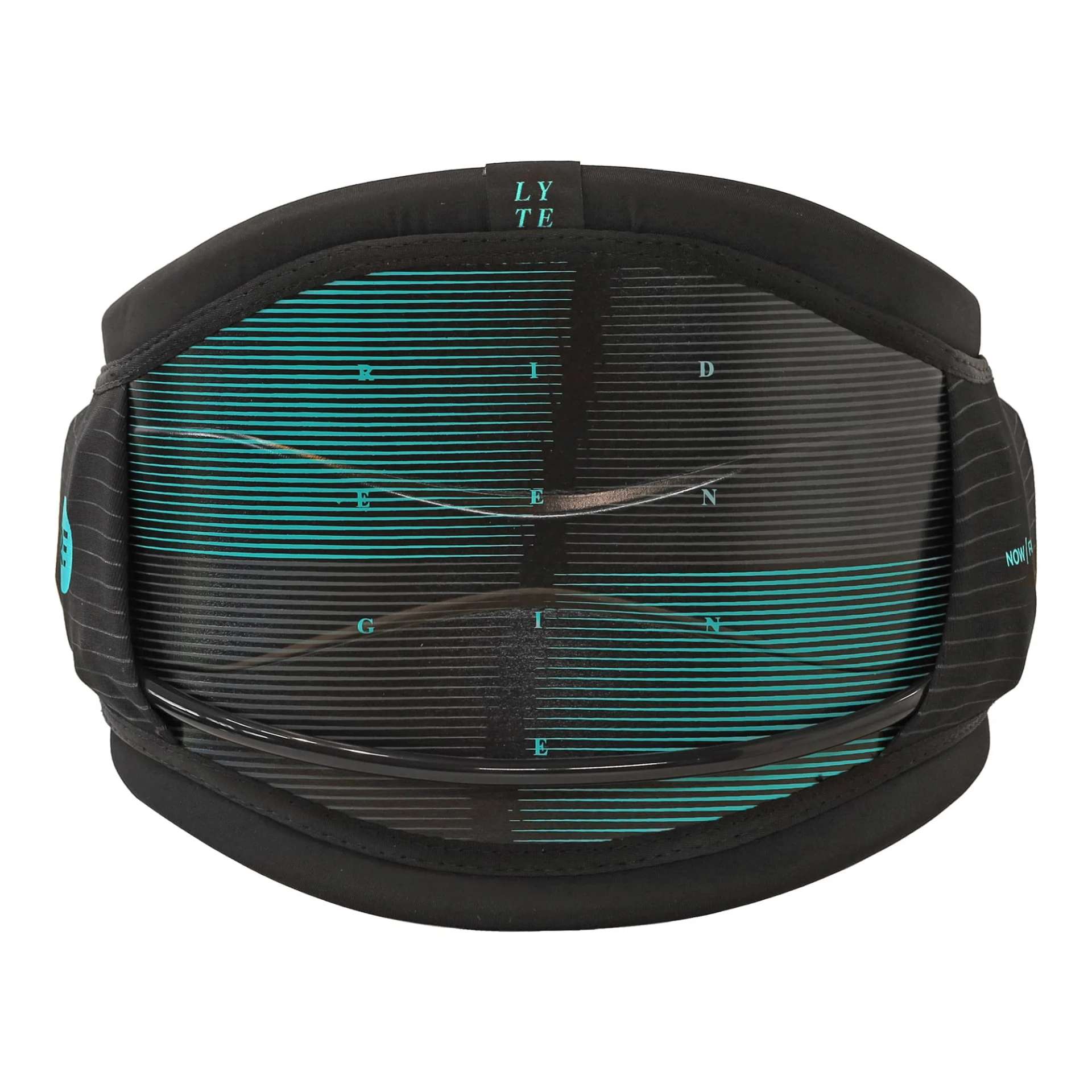
- Harness: seat or waist harness that fits and supports your back.
- Wetsuit: thickness matched to water temperature; a 3/2 or 4/3 covers most sessions.
- Safety: impact vest, helmet and a hook knife.
Kite size by weight and wind
- Under 60kg: 7–9m in 18–25 knots; 9–11m in 12–18 knots.
- 60–75kg: 8–10m in 18–25 knots; 10–12m in 12–18 knots.
- 75–90kg: 9–11m in 18–25 knots; 11–13m in 12–18 knots.
- Over 90kg: 10–12m in 18–25 knots; 12–14m in 12–18 knots.
These are starting points, not rules. Board size, foil, water state and kite design all change the number.
Conditions to learn in
Steady 15–20 knots is easier than gusty 12–15 or overpowered 25+. Choose cross-shore or slightly onshore wind, flat water, a clean launch and plenty of room. Avoid offshore wind, crowded beaches, rocks, piers and storm fronts.
The first sessions
Expect to spend time on the beach learning the wind window, safety systems and launch signals. On the water, you will body drag, relaunch the kite and practice the board start. Most people need several sessions before the first sustained ride; that is normal.
Safety skills that matter
- Self-rescue: know how to release the kite and get back to shore.
- Line awareness: never let lines cross bystanders or wrap around limbs.
- Launch and land: use a trained helper and clear signals.
- Weather: check the forecast, the gust spread and the tide.
- Buddy system: do not learn alone.
What it costs
Lessons are the best first spend. After that, a used or outlet kite package can cut the entry cost, but check the canopy, lines, bar and safety system. A cheap kite with worn lines is not a bargain. See our beginner kite packages for current options.
What comes next
Once you can ride upwind and relaunch consistently, work on transitions, edging and jumping. If you want to foil, read our kite foils for light wind guide. If you are choosing between sports, compare wing foiling vs kite foiling.
Browse kite gear, check the kiteboard size chart, read the kite bar and line setup guide, or learn how to look after your gear in the kite maintenance guide. Book a lesson before you buy.
Common questions
How long does it take to learn kiteboarding?+
Most people need several lessons and a season of practice to ride upwind consistently. The first waterstart can come in a few sessions; independent riding usually takes longer. Lessons shorten the curve.
What size kite should a beginner buy?+
Most adults start with a 9–12m kite for 15–20 knots. Lighter riders can go smaller; heavier riders or light wind need bigger. Match the kite to your weight, wind and board.
Do I need lessons to learn kiteboarding?+
Yes, if you want to learn safely. Kiteboarding involves lines, power and traffic; an instructor covers safety systems, self-rescue and launch/land before you handle a kite alone.
What size kiteboard for a beginner?+
Most adults start on a 136–142cm twintip, 40–42cm wide. See the kiteboard size chart for weight-based ranges.
Can I learn kiteboarding in light wind?+
Light wind is not easier for beginners. It requires a bigger kite and more technique. Steady 15–20 knots is usually easier than marginal 10–12 knots.
Is kiteboarding harder than wing foiling?+
For most beginners, yes. Kiteboarding has more complex safety and line management. Wing foiling is simpler to set up, but it has its own balance and foil learning curve.
What safety gear do I need?+
An impact vest, helmet, hook knife and a kite with a working quick release and safety system. A wetsuit appropriate for the water temperature is also essential.
Filed from the beach — Foilsummit Journal