Buying Guides | 8 min read
Kite Foil Board Size Guide: Length and Volume (2026)
2026-11-19 - words by Dee Okafor
- Beginner
- 120–150cm
- Intermediate
- 100–130cm
- Advanced
- 90–115cm
- Volume
- 10–35L
- Power
- Kite
- Wing board
- Different
Kite foiling is the most efficient way to fly in light wind, and the board is a big part of that. Too big and the board feels like a door; too small and the waterstart becomes a fight. The right size depends on your weight, wind, foil and experience.
Kite foil vs wing foil board
A wing foil board needs enough volume to stand, taxi and paddle home. A kite foil board is powered by the kite, so it can be much smaller and lower volume. The foil track, deck strength and mast mounting still matter, but the volume range is completely different.
Size by level
- Beginner: 120–150cm, 20–35L. More volume makes the first waterstarts and touch-downs easier.
- Intermediate: 100–130cm, 15–25L. Easier to turn and pump, still forgiving.
- Advanced: 90–115cm, 10–20L. Faster rail-to-rail and more responsive, but less forgiving.
- Light wind: size up in board and foil; a bigger front wing does most of the low-end work.
- Waves: a surf-style kite foil board with a shorter length and more rocker.
Volume and length
Volume gives you float for the waterstart and recovery; length affects swing weight and how the board fits your stance. A shorter board turns faster but is harder to learn on. If you are between sizes, choose the larger board until your waterstart and foil control are consistent.
Board types
- Pocket board: short and low volume for experienced riders.
- Surf foil board: surf-shaped for waves and carving.
- Race board: longer and more directional for speed and upwind angle.
- Splitboard: packs into a travel bag for flights.
Foil track and mast
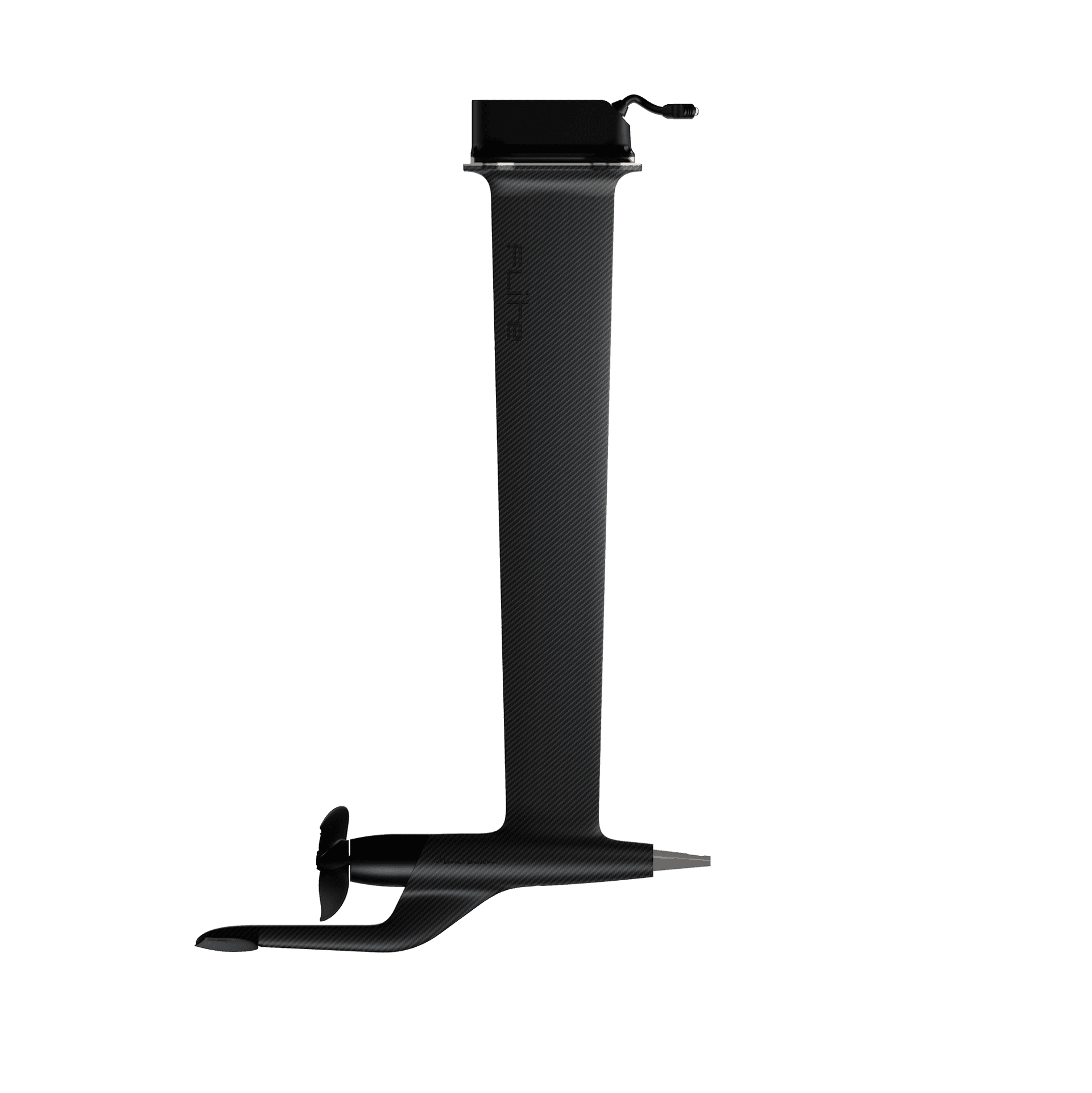
A longer foil track gives you more range to tune the balance. Mast length depends on your conditions and level: a shorter mast is easier to learn on, while a longer mast gives more clearance in chop. Match the board's foil box to your foil system before you buy.
What to check before buying
- Foil box condition and reinforcement.
- Track length and bolt pattern.
- Deck pressure dings and water ingress.
- Volume and length against your weight and level.
- Whether the board includes a bag, leash or hardware.
Read the kiteboard size chart for twintips, the wing foil board volume guide for wing boards, or browse kite gear and foil gear.
Common questions
What size kite foil board should I buy?+
Most beginners start around 120–150cm and 20–35L. Intermediate riders move to 100–130cm and 15–25L; advanced riders use 90–115cm and 10–20L. Match the board to your weight, wind and foil.
How much volume for a kite foil board?+
A beginner board usually has 20–35L; intermediate 15–25L; advanced 10–20L. More volume makes waterstarts easier; less volume turns faster.
Can I use a wing foil board for kite foiling?+
It is possible but not ideal. Wing boards have more volume and a different shape. A dedicated kite foil board is smaller and easier to handle under a kite.
What length kite foil board for beginners?+
Around 120–150cm is a good starting range for most adults. A longer board is easier to waterstart; a shorter board turns faster once you progress.
What mast length for kite foiling?+
A shorter mast is easier to learn on; a longer mast gives more clearance in chop. Match the mast to your board, foil and conditions, and check compatibility before buying.
Kite foil board vs surfboard?+
A kite foil board has a foil box and is designed for the loads of foiling. A surfboard is not reinforced for a foil and should not be converted without a proper modification.
Filed from the beach — Foilsummit Journal