Spots | 9 min read
Wing Foiling Florida: Tampa, St. Pete and the Gulf (2026)
2026-11-19 - words by Sam Calder

- Season
- Year-round
- Wind
- NW/N fronts, W/SW summer
- Water
- Bay flat, Gulf waves
- Wetsuit
- 2/3–3/2
- Main spots
- Scenic View, Lassing
- Hazard
- Thunderstorms
Florida is a year-round wind sports state, but the conditions change with the season. Winter is front-driven and can be strong and cool; summer is thermal and humid, with afternoon sea breezes and thunderstorms. The bay gives you flat water when the Gulf is messy, and the passes give you waves when the wind lines up.
Why Tampa Bay works
Tampa Bay is shallow, warm and protected, with a mix of flat-water launches and Gulf passes. You can usually find a rideable angle somewhere in the bay, even when the beach is blown out or the tide is wrong. The trade-off is boat traffic, bridges and summer storms.
Where to launch
- Scenic View (St. Pete): a popular kite and wing launch with flat water and easy access. Check the local rules and parking.
- Lassing Park (St. Pete): a flat-water bay launch with a grassy rigging area. Popular with kiters and wingers; watch the seawall and boat traffic.
- Fort De Soto: beach launches with Gulf access and bay flat water. Currents and tides matter; check the park rules.
- Pass-a-Grille: a Gulf-side pass with waves and current. Advanced riders only when the tide is running.
- Clearwater Beach: convenient and busy. Launch early, stay clear of swimmers and check local rules.
- Dunedin Causeway / Honeymoon Island: flat water and a reliable breeze; watch the traffic and the bridge.
- Skyway Bridge: strong current and deep water. Not a beginner spot; go with local knowledge.
Wind and season
Winter cold fronts bring NW–N wind and cooler water, often with a sharp gust spread. Spring and autumn are transition seasons with mixed fronts and sea breezes. Summer brings W–SW sea breeze, heat and afternoon thunderstorms. Check the forecast, the lightning radar and the tide before you rig.
Gear
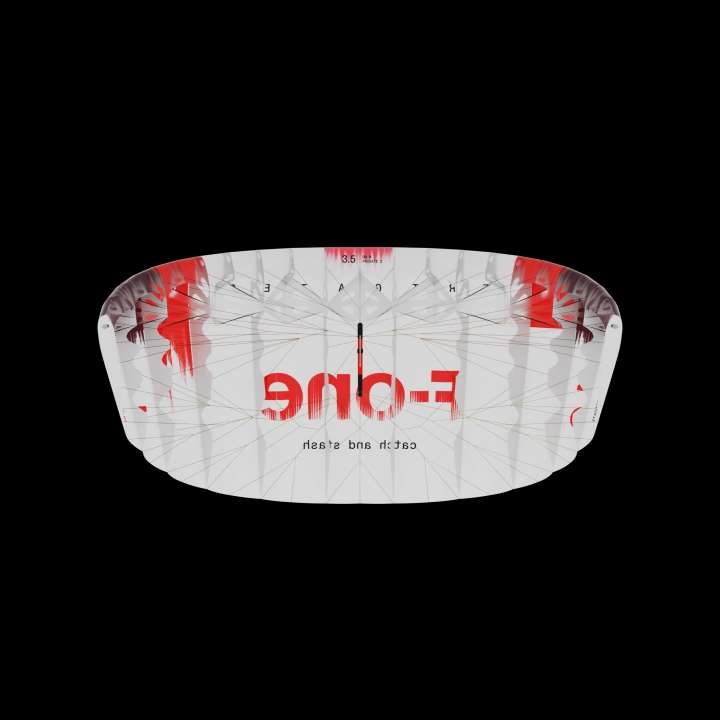
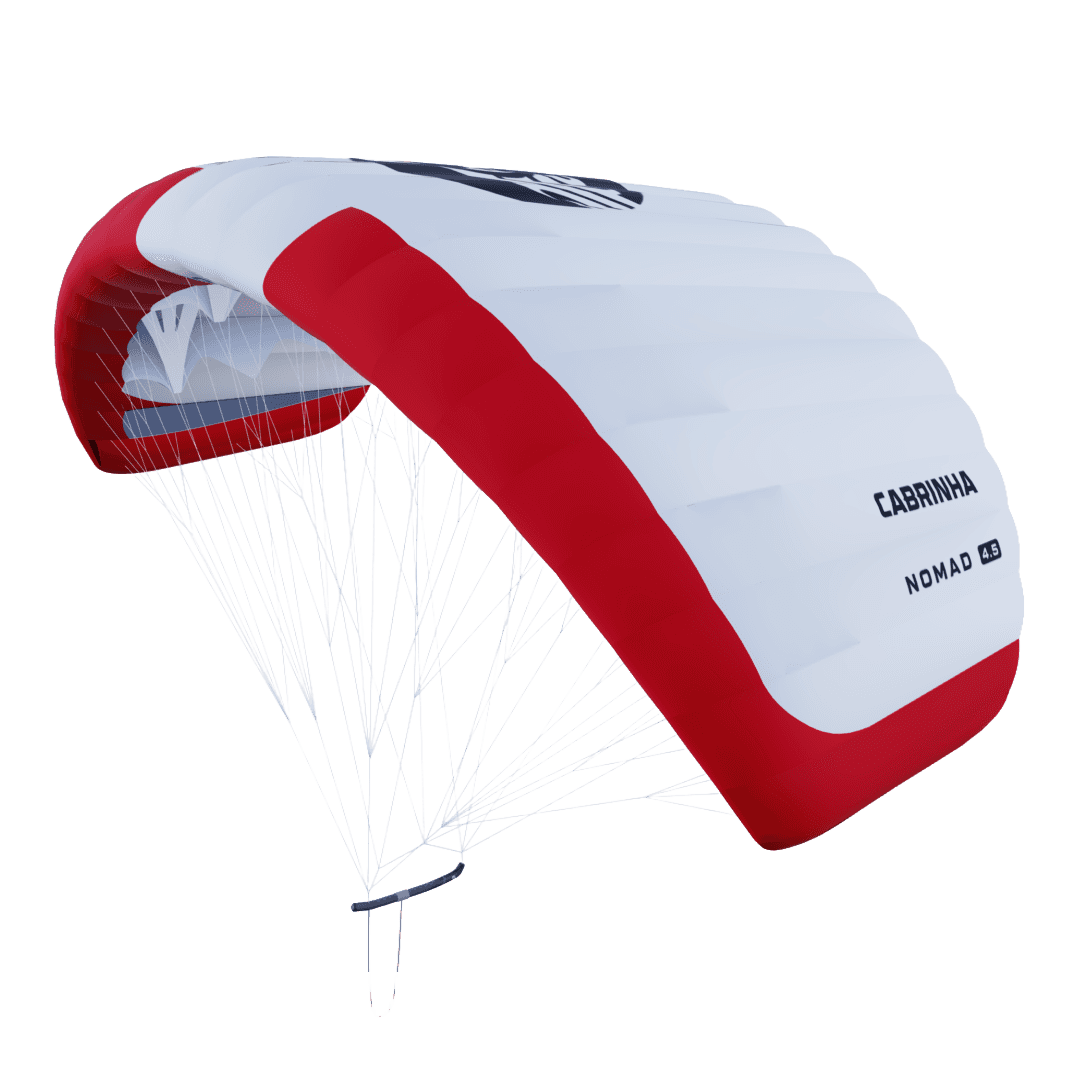
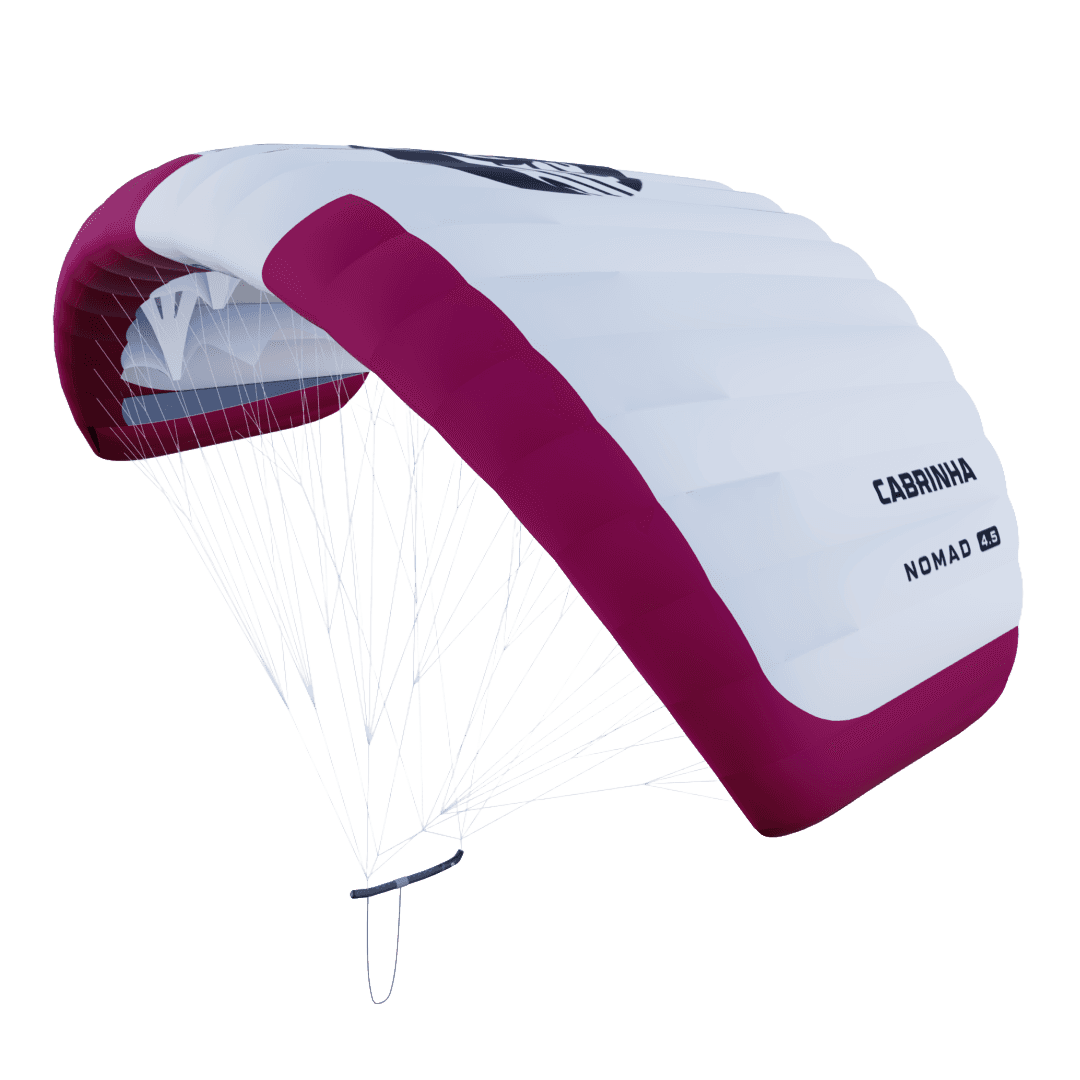
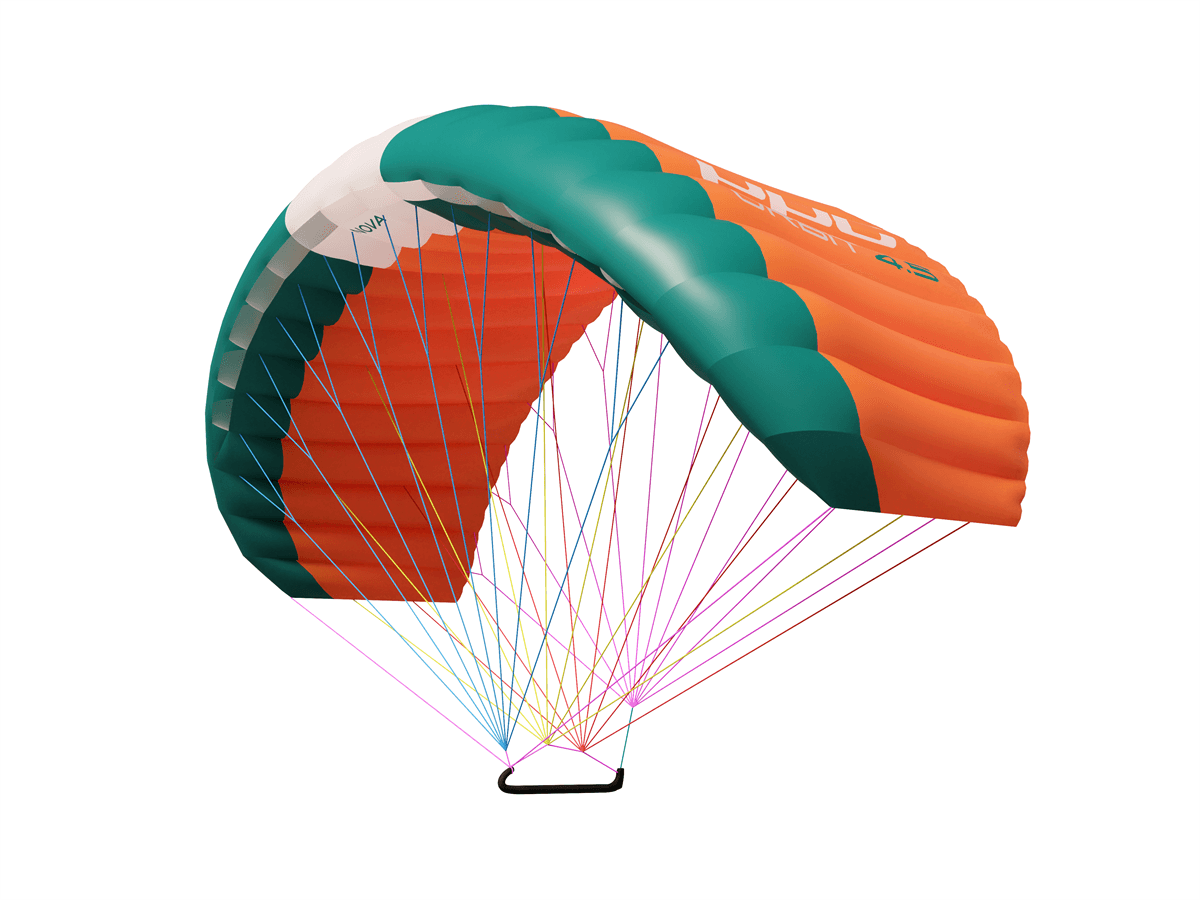
- Wing: 4–6m for most adults; smaller for strong fronts, bigger for light summer sea breeze.
- Board: 90–120L for intermediate riders; 110–130L for learning.
- Foil: 1,200–2,000cm² depending on wind and level.
- Wetsuit: 2/3 or 3/2 in winter; boardshorts or a shorty in summer.
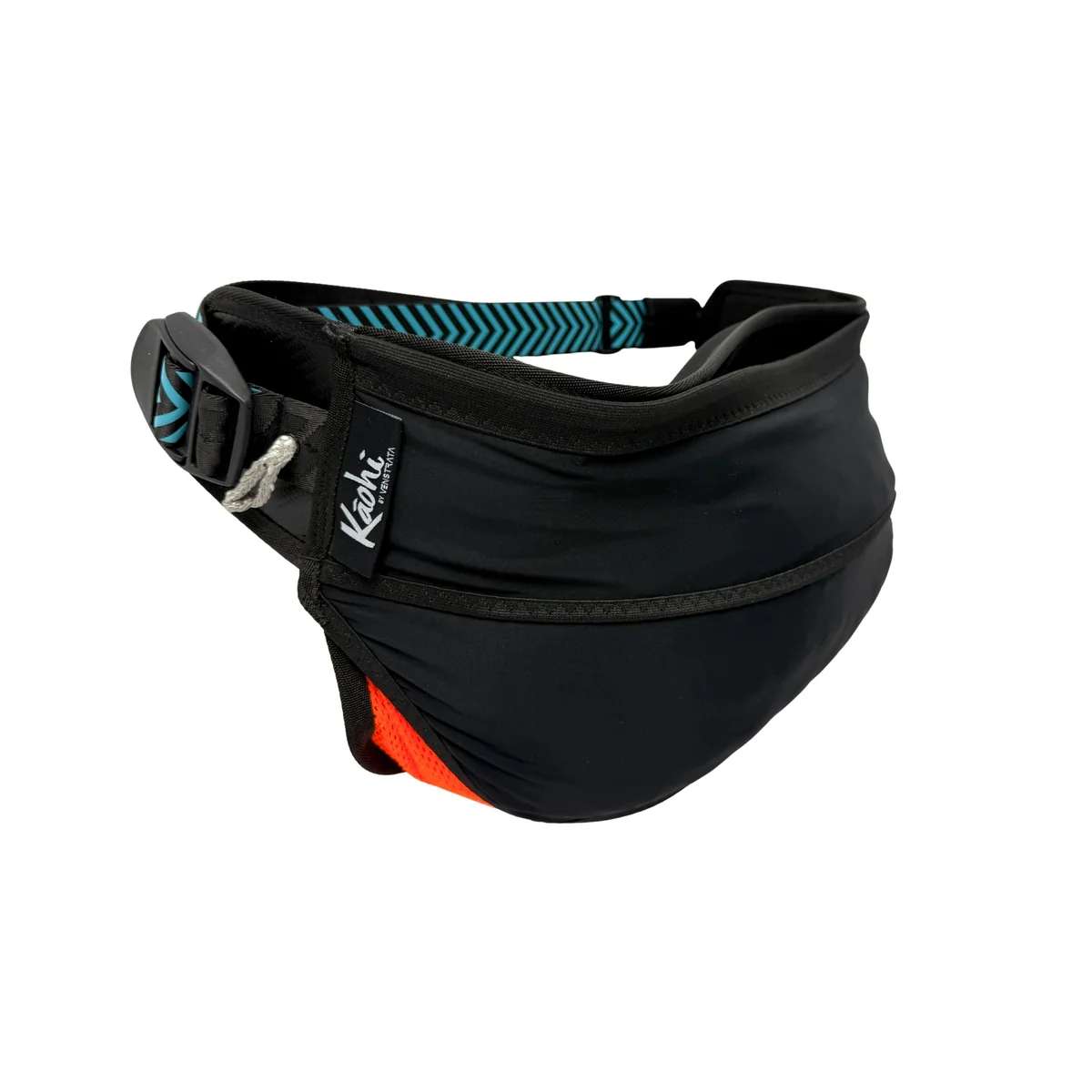
- Safety: impact vest, helmet, booties and a leash appropriate for foiling.
Safety
Summer thunderstorms are the biggest hazard: lightning can reach you before the rain. Get off the water early. Passes and inlets have strong currents, especially on a running tide. Boat traffic, bridges and swimmers demand attention. If you are new, start on the bay side with a lesson and a big board.
Travel and logistics
Tampa International and St. Pete–Clearwater International are the main airports. Most launches are a short drive from St. Pete or Clearwater. Parking fills early on weekends. Summer is hot and humid; carry water and sun protection. Winter fronts can bring cool nights, so pack a hooded top or a thicker suit.
Lessons and local shops
Tampa Bay has several schools and shops that teach kiteboarding and winging. If you are visiting, book a lesson on the bay side and ask about the current launch rules. We ship wing gear, boards and foils to Florida; check the shipping page for timelines.
Read our Cape Hatteras guide for another US East Coast destination, our Puerto Rico guide for a warm-water US territory, our Baja guide for winter travel, or our San Francisco Bay guide for the West Coast. If you are new, start with wing foiling for beginners and the size charts.
Common questions
Where do you wing foil in Tampa and St. Pete?+
Popular launches include Scenic View, Lassing Park, Fort De Soto, Pass-a-Grille, Clearwater and the Dunedin Causeway. The bay side is flatter; the passes and Gulf side have waves and current.
Is Tampa Bay good for beginners?+
Yes, especially the bay-side flat-water launches. Take a lesson, use a big board and avoid the passes and stormy afternoons until you are comfortable.
When is the best time to wing foil in Florida?+
Winter fronts bring strong wind and cooler water; spring and autumn are mixed; summer brings sea breeze and thunderstorms. Many riders prefer the winter and spring fronts for steady wind.
What size wing for Florida?+
Most adults use 4–6m. Go smaller for strong winter fronts and bigger for light summer sea breeze. Your weight, board and foil also affect the choice.
Do you need a wetsuit in Florida?+
In winter, a 2/3 or 3/2 is comfortable. In summer, boardshorts or a shorty are usually enough. Cold fronts can make the water feel cooler than the air.
Can you wing foil on the Gulf side?+
Yes, but the passes and Gulf beaches have current, shorebreak and boat traffic. They suit experienced riders; start on the bay side.
Are there wing foil lessons in Tampa Bay?+
Yes. Several local schools teach kiteboarding and winging. Book a bay-side lesson and ask about launch rules, parking and the best tide.
Filed from the beach — Foilsummit Journal