Spots | 9 min read
Wing Foiling Cape Hatteras: Spots and Seasons (2026)
2026-11-19 - words by Sam Calder

- Season
- Mar–Nov
- Wind
- NE / SW
- Sound
- Flat water
- Ocean
- Waves
- Wetsuit
- 3/2–4/3
- Main spots
- Kite Point, SDA
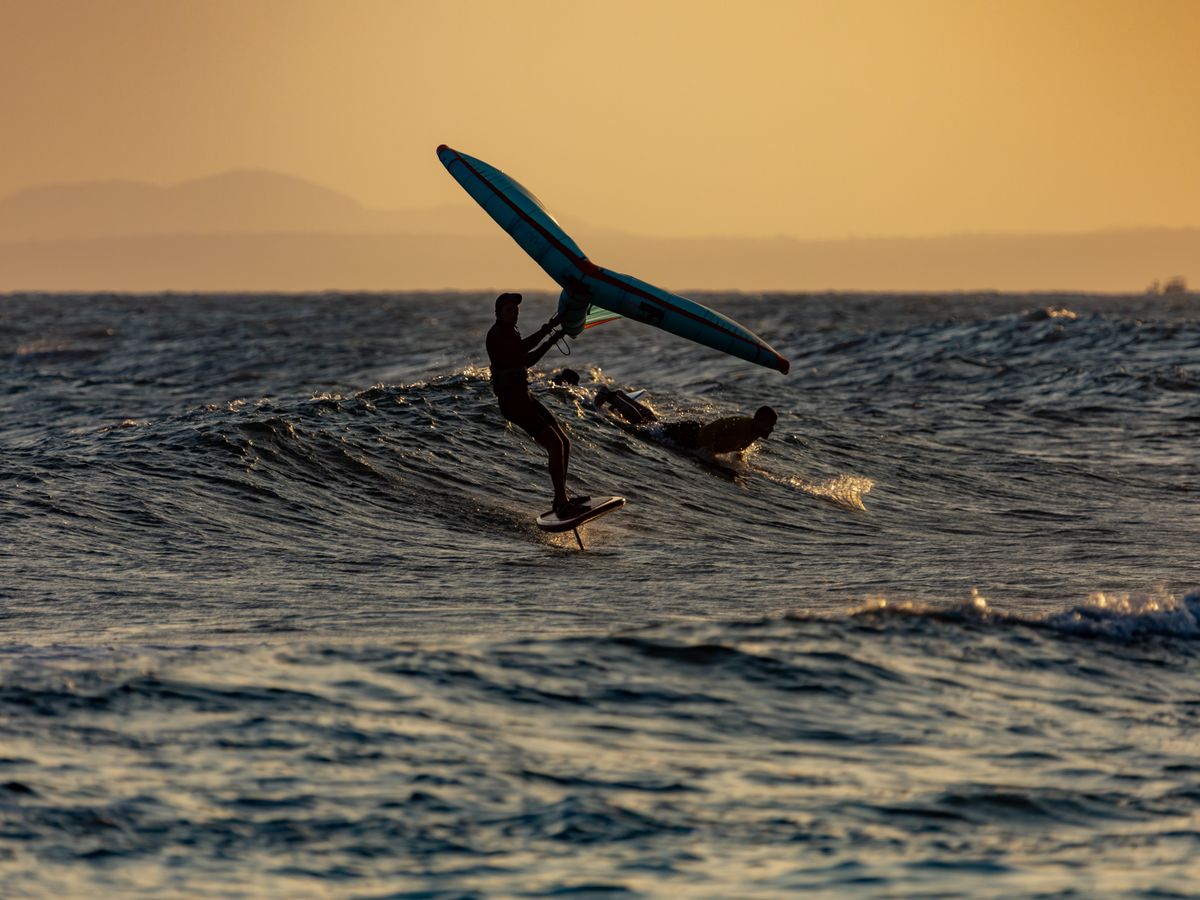
Hatteras is one of the best wind sports destinations on the US East Coast. The island is narrow, so you can usually choose between flat sound water and ocean swell on the same day. That flexibility is why riders return every spring and autumn.
Why Hatteras works
The island sits between the Pamlico Sound and the Atlantic. Nor'easters in spring and autumn bring strong, steady wind and ocean swell; summer southwest winds create flat-water sessions on the sound. The water is warm in summer, cooler in spring and autumn, and the weather can change quickly.
Where to launch
- Kite Point: a shallow sandy spit on the sound side near Buxton. It works well in NNW–NE wind and is a social, easy-to-watch spot. Watch the power lines near the launch.
- Salvo Day Use Area (SDA): waist-deep lagoon with flat water and plenty of space. One of the best beginner and intermediate spots on the island.
- The Slick: a famous flat-water run near Salvo, best in southwest summer wind. It is busy in the evening; go earlier if you want space.
- South Side: the south-facing ocean coastline, warmed by the Gulf Stream. Southwest wind offers downwinders toward Frisco Pier; it is warmer but more exposed.
- Rodanthe-Salvo downwinder: an ocean run in NE conditions with roping waves. Advanced riders only; arrange a pick-up.
Wind and season
Spring and autumn are the classic seasons for strong wind and swell. Summer brings lighter southwest thermals and warmer water, with afternoon sessions on the sound. Hurricane season can bring huge wind and dangerous conditions; do not ride a tropical system unless you know the local rules and have an exit plan.
Gear
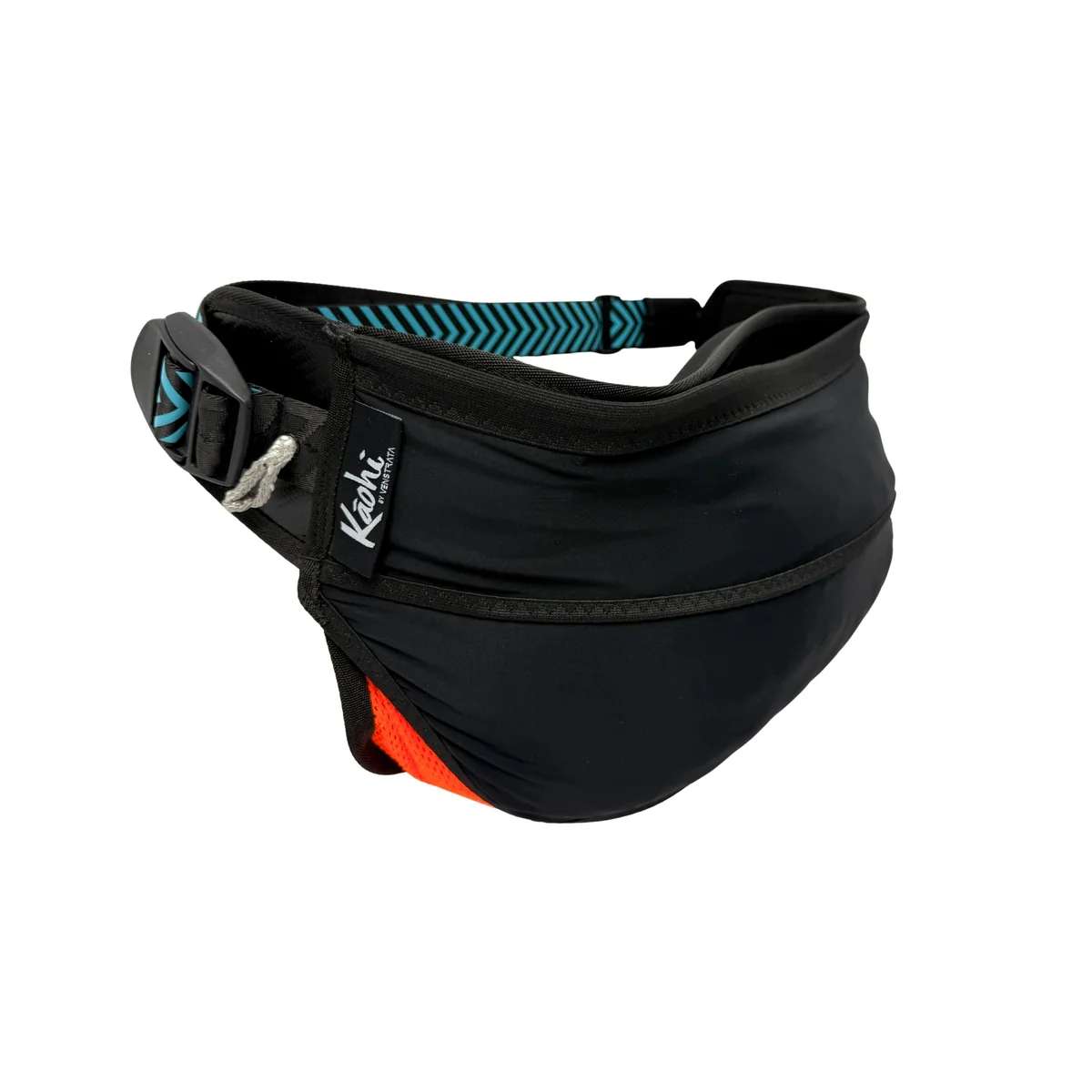
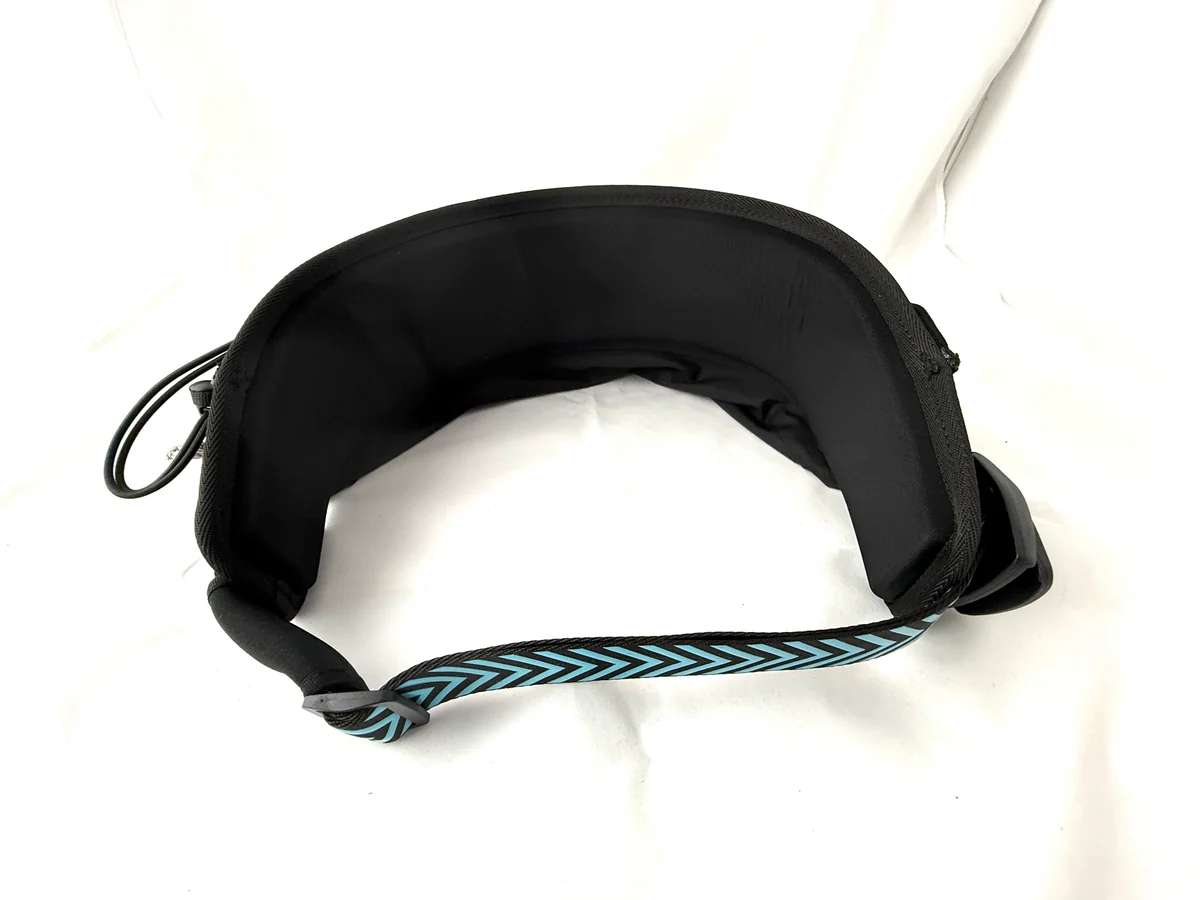
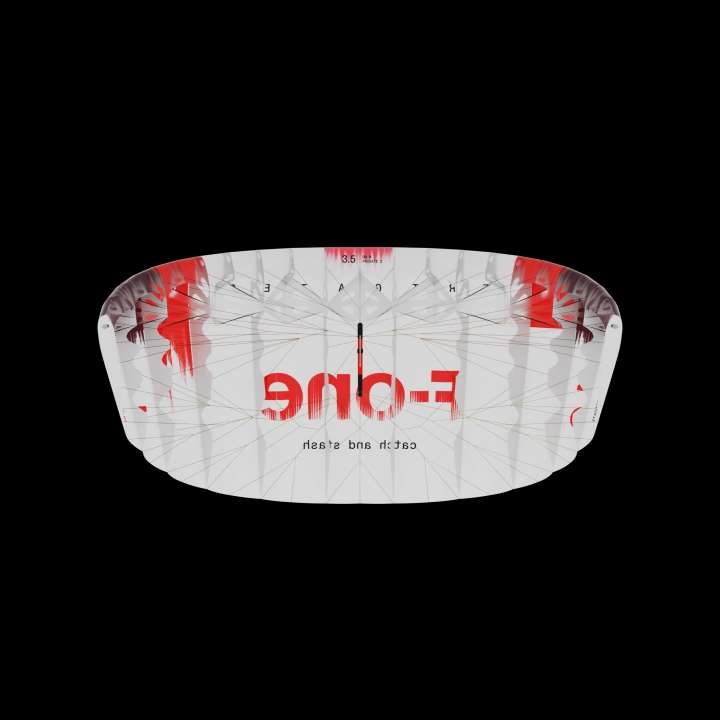
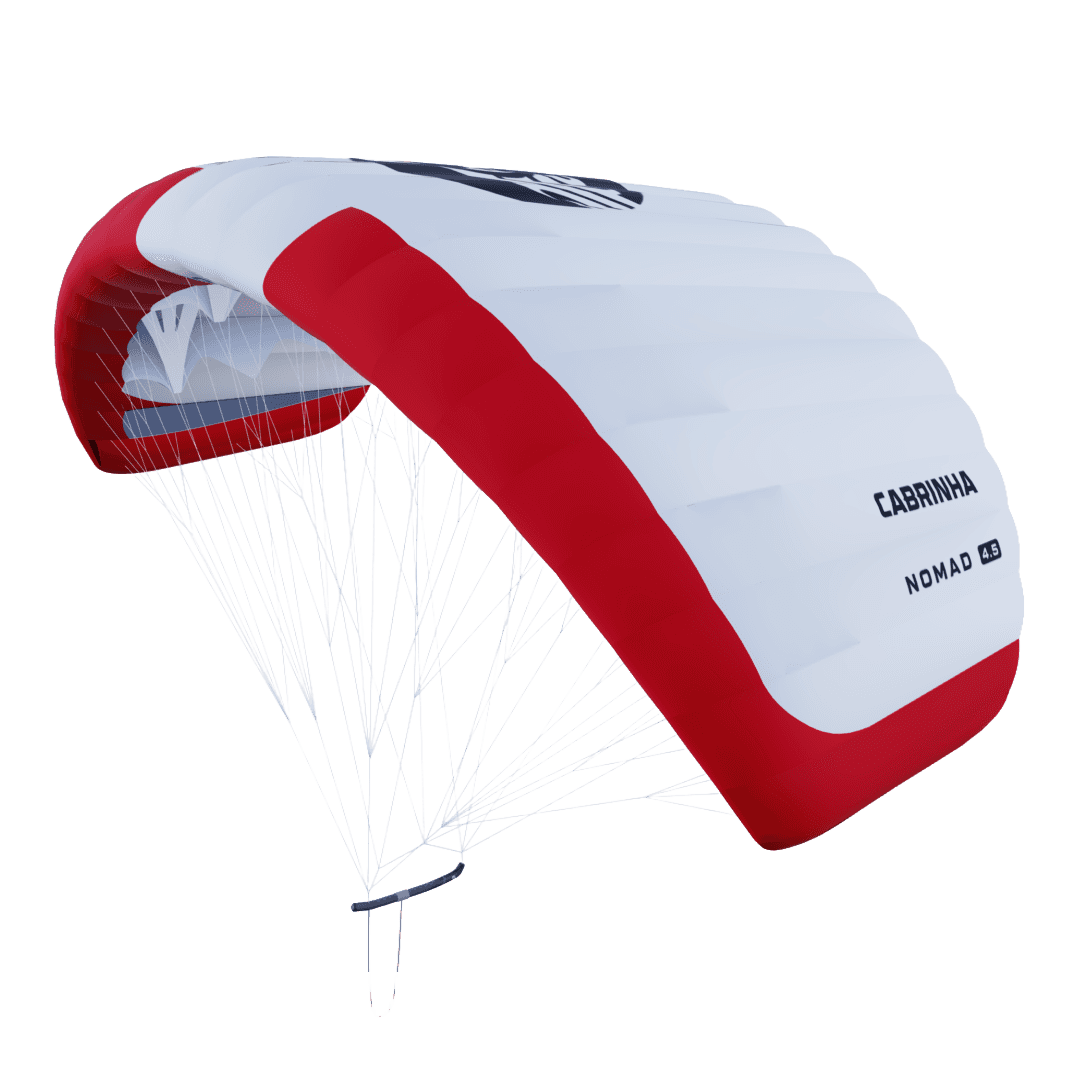
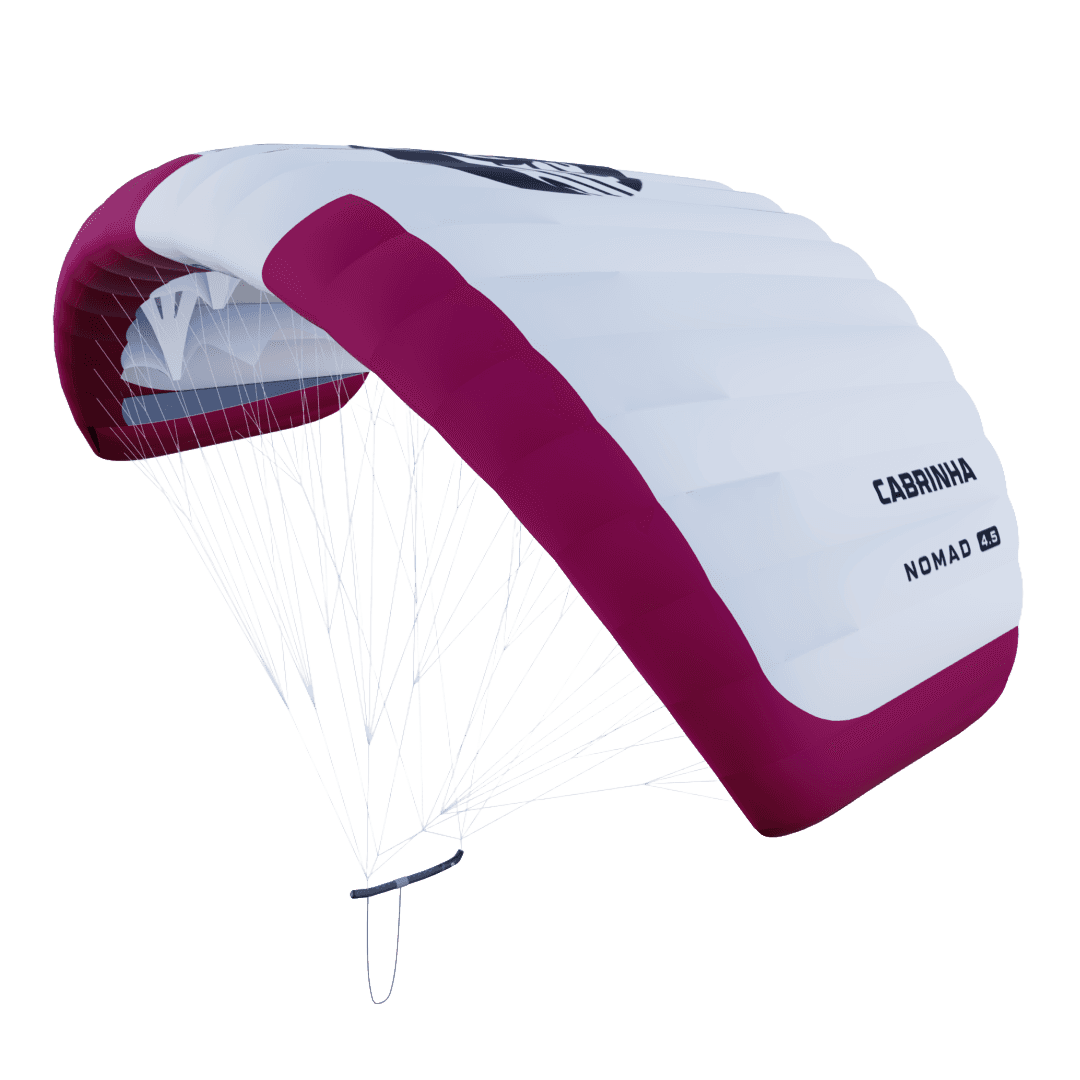
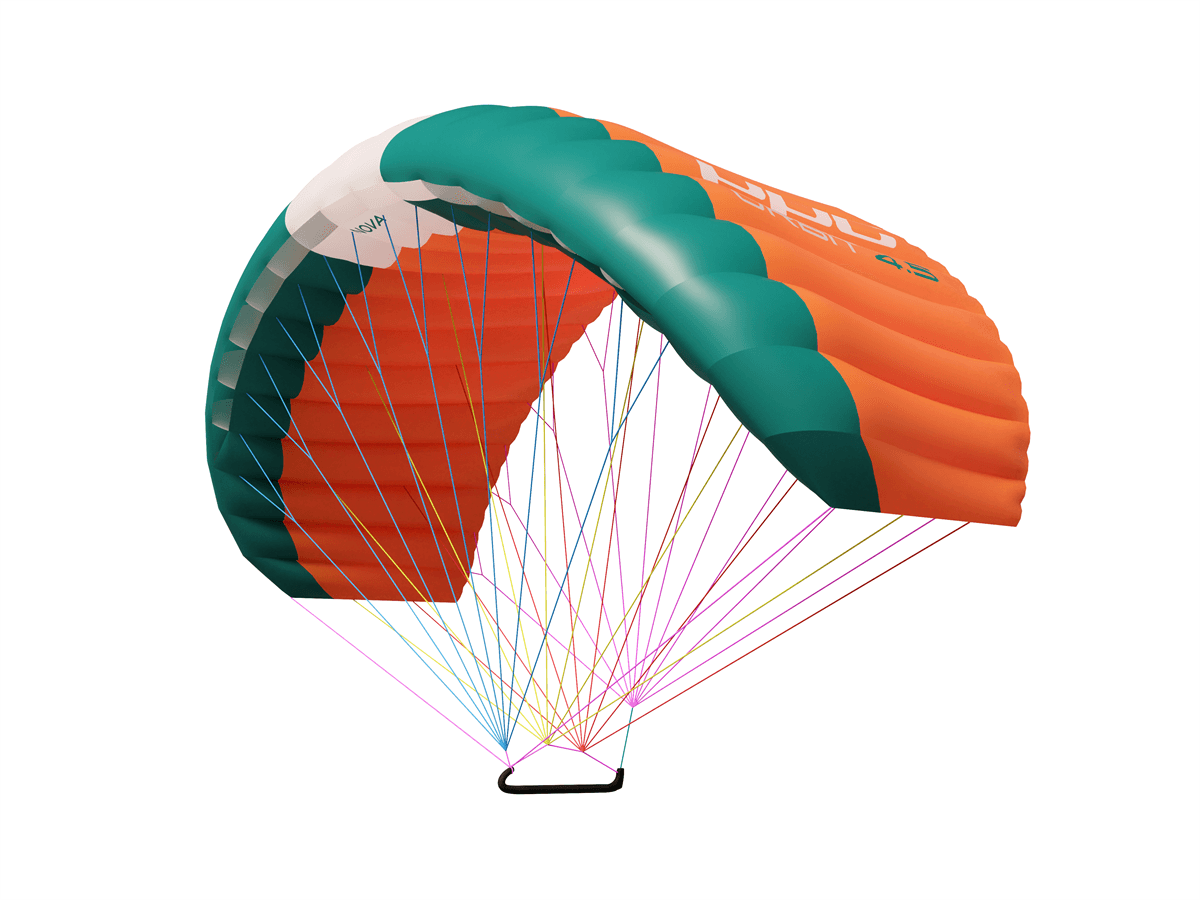
- Wing: 4–6m for most adults; smaller for strong nor'easters, bigger for light summer thermals.
- Board: 90–120L for intermediate riders; 110–130L for learning.
- Foil: 1,200–2,000cm² depending on wind and level.
- Wetsuit: 3/2 in summer, 4/3 in spring and autumn.
- Safety: impact vest, helmet, booties and a leash appropriate for foiling.
Safety
The sound is shallow in places and the ocean has currents, inlets and shorebreak. Watch for power lines at Kite Point, keep clear of the ferry channel and give other riders space. Ocean downwinders need a buddy, a pick-up plan and a weather window. If a storm is approaching, get off the water.
Travel and logistics
Most riders drive from Norfolk, Virginia, then south along Highway 12. The island has groceries, rentals and campgrounds, but services are limited in winter. Cell service is patchy in places. Book summer accommodation early and check the ferry schedule if you plan to continue to Ocracoke.
Lessons and local shops
Hatteras has several schools and shops that teach kiteboarding and winging. If you are new, take a lesson on the sound side before you attempt the ocean. We ship wing gear and foils to the island; check the shipping page for timelines.
Read our Hood River guide for another US destination, or start with wing foiling for beginners and the size charts.
Common questions
Where do you wing foil in Cape Hatteras?+
The main sound-side spots are Kite Point, the Salvo Day Use Area and the Slick. The South Side and the Rodanthe-Salvo downwinder are ocean options for more experienced riders.
Is Cape Hatteras good for beginners?+
Yes, especially the sound side. The Salvo Day Use Area has waist-deep water and flat conditions. Take a lesson and avoid the ocean until you are comfortable with your wing and board.
When is the best time to visit Cape Hatteras?+
Spring and autumn bring the strongest wind and ocean swell. Summer is warmer and more thermal, with lighter southwest wind. Hurricane season can bring dangerous conditions.
What size wing for Cape Hatteras?+
Most adults use 4–6m. Go smaller for strong nor'easters and bigger for light summer thermals. Your weight, board and foil also affect the choice.
Do you need a wetsuit in Cape Hatteras?+
Yes. A 3/2 works in summer; spring and autumn call for a 4/3. The ocean is warmer than the sound in some seasons, but the wind makes a suit worthwhile.
Can you wing foil on the ocean side?+
Yes, but it is more advanced. The South Side and the Rodanthe-Salvo downwinder involve shorebreak, currents and exposed conditions. Use a buddy and a pick-up plan.
Where do you stay in Cape Hatteras?+
Buxton, Avon, Salvo, Waves and Rodanthe have rentals and campgrounds. Book early in summer and check the ferry schedule if you plan to visit Ocracoke.
Filed from the beach — Foilsummit Journal