Buying Guides | 8 min read
Wetsuit Size Guide: Thickness, Fit and Zips (2026)
2026-11-19 - words by Mara Ellison
- Warm water
- 2mm shorty
- 18–22°C
- 3/2
- 14–18°C
- 4/3
- 10–14°C
- 5/3 hooded
- Fit
- Snug, no flush
- Zip
- Chest or zipless
A wetsuit is the difference between a short session and a long one. Thickness keeps you warm; fit keeps the water from flushing through. The right suit is the one that matches your water temperature, your mobility needs and your budget.
Wetsuit thickness by water temperature
- 22°C / 72°F and up: 2mm shorty, neoprene top or rash guard.
- 18–22°C / 64–72°F: 3/2 fullsuit.
- 14–18°C / 57–64°F: 4/3 fullsuit.
- 10–14°C / 50–57°F: 5/3 or 5/4 hooded suit.
- Below 10°C / 50°F: 6/5 hooded suit, boots and gloves.
How a wetsuit should fit
A wetsuit should feel snug but not restrictive. Check the chest, shoulders, waist and crotch; there should be no gap at the neck, wrists or ankles. Raise your arms and crouch; if the suit pulls hard or traps air, try a different size. Size charts vary by brand, so use the brand's measurements rather than assuming you are the same size everywhere.
Zip types
- Back zip: easiest to get in and out, good for beginners and cold water.
- Chest zip: more flexible through the torso and less water entry at the back.
- Zipless: the stretchiest and most comfortable, but harder to get into and usually more expensive.
Seams and materials
Look for blind-stitched or glued seams, taped stress points and a smoothskin chest or back panel for wind protection. Limestone neoprene is lighter and more flexible than older materials; it also costs more. The best suit is the one that fits your body and your water temperature, not the one with the longest feature list.
Accessories
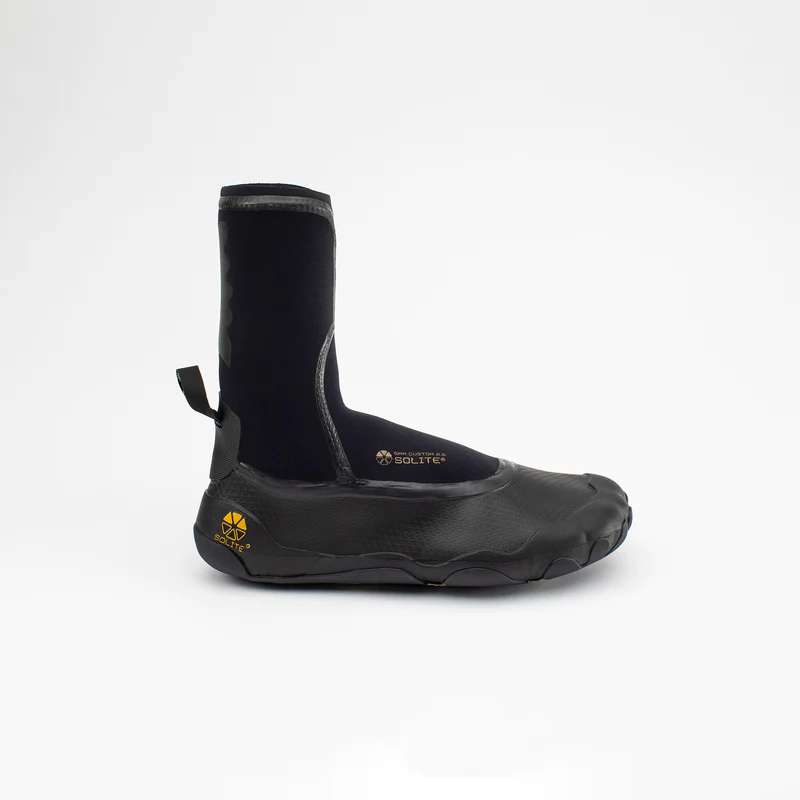
- Boots: 3mm for summer, 5mm for cold water.
- Gloves: neoprene gloves or mittens for below 12°C.
- Hood: essential below 14°C, optional in warmer water.
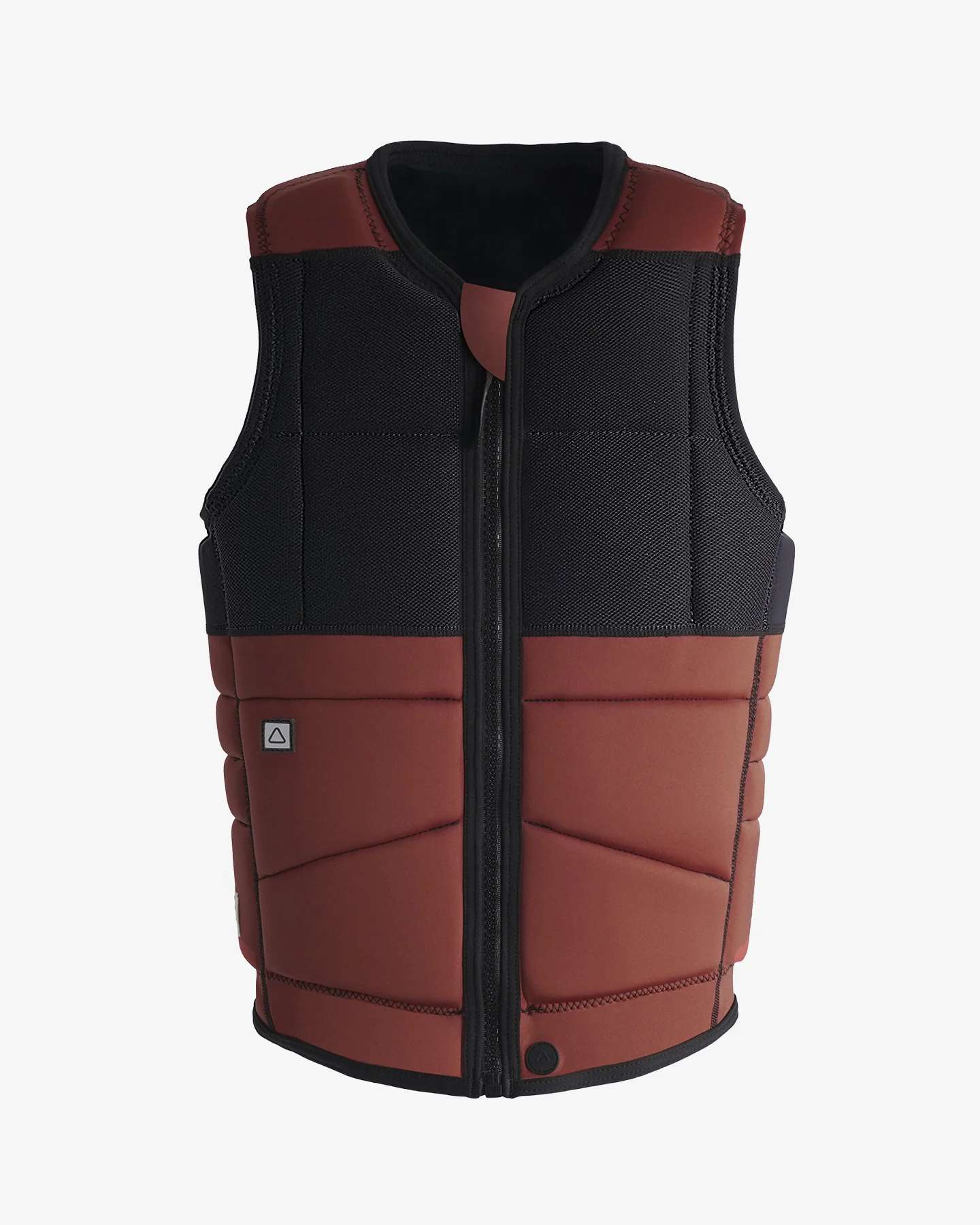
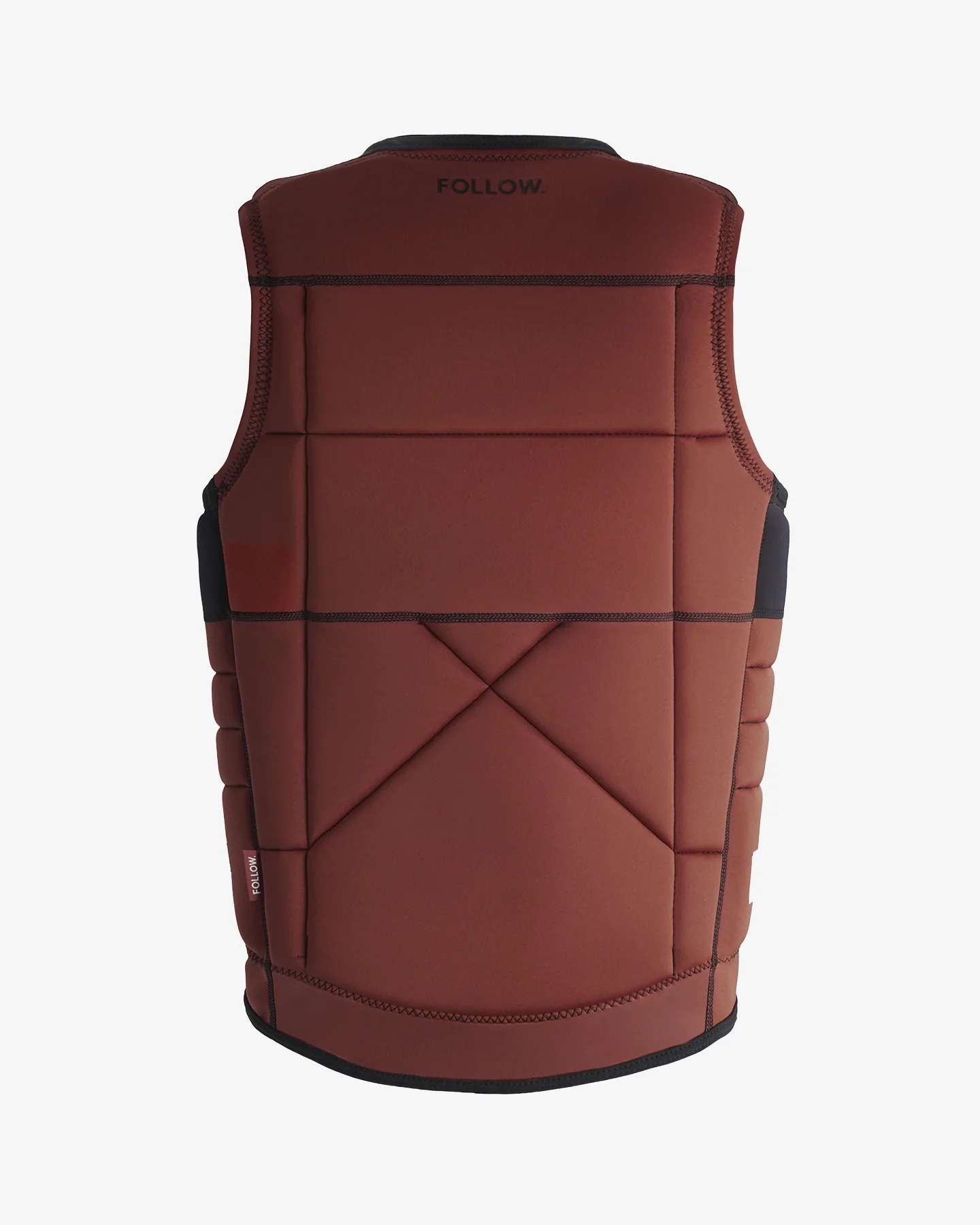
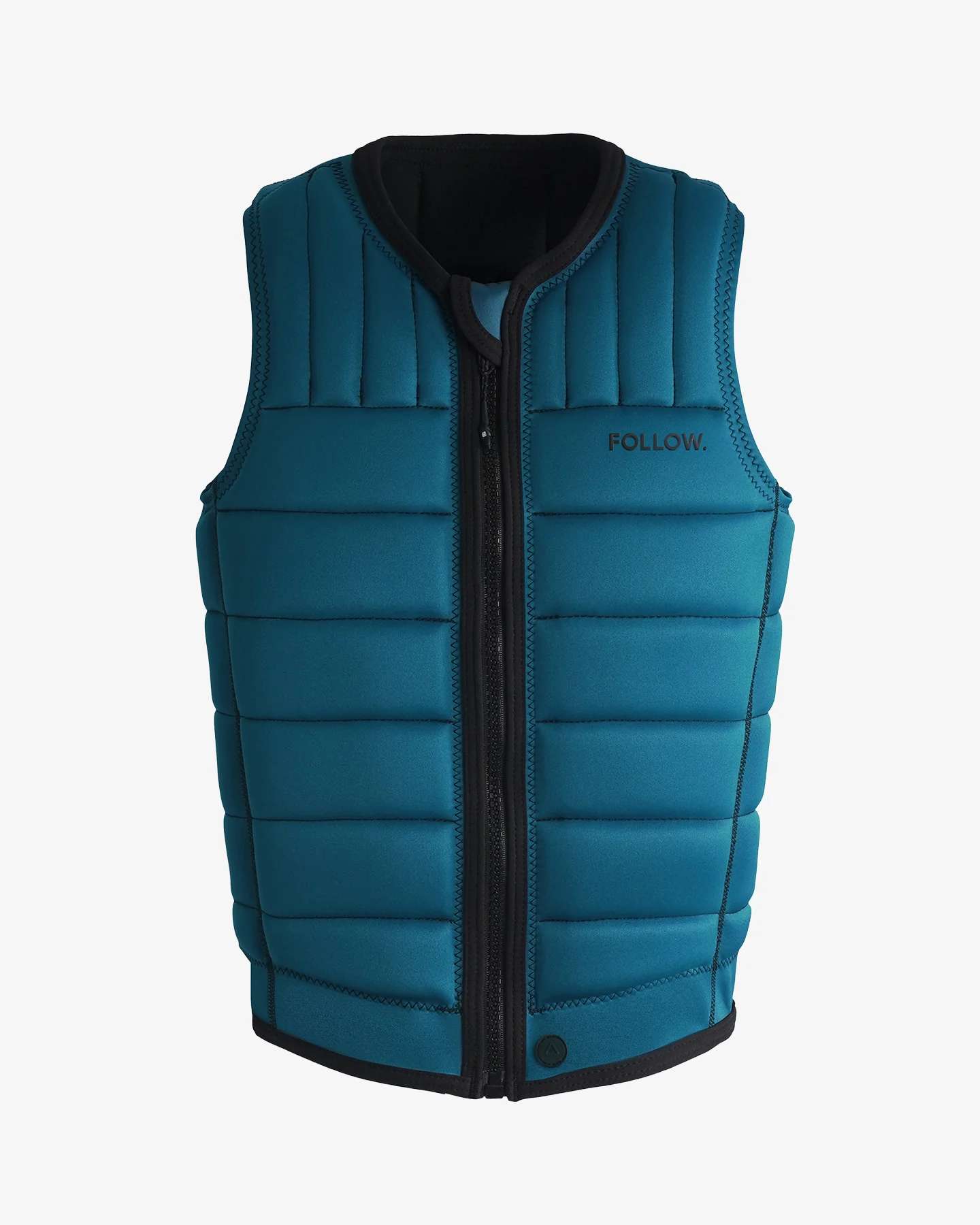
- Impact vest: adds warmth and protects against board contact.
Care
Rinse the suit in fresh water after every session, dry it inside out in the shade, and avoid hanging it by the shoulders for long periods. Fix small nicks before they become seam failures. A well-cared-for suit lasts several seasons.
Women's and kids' fit
Women's suits use a different pattern through the chest, waist and hips; do not size down a men's suit to compensate. Kids grow quickly, so prioritize range of motion and a good neck seal over a perfect race fit. Check the brand's size chart and allow room for a growth spurt.
Browse wetsuits, read our cold-water wetsuit guide, compare Mystic Star vs Haven, or read the wetsuit brand comparison. If you are choosing a wing or kite setup, start with the size charts.
Common questions
What thickness wetsuit do I need?+
Match the thickness to water temperature: 3/2 for 18–22°C, 4/3 for 14–18°C, and 5/3 or hooded for 10–14°C. Below 10°C, use a 6/5 with boots and gloves.
Should a wetsuit be tight?+
It should be snug, not restrictive. You want contact through the body with no cold-flush gaps at the neck, wrists or ankles. If you cannot raise your arms or crouch comfortably, try a different size or cut.
Chest zip vs back zip wetsuit?+
A back zip is easier to get in and out and works well in cold water. A chest zip is more flexible through the torso and reduces water entry at the back. Zipless is the stretchiest but harder to put on.
Do I need a hood?+
A hood is essential below about 14°C and optional in warmer water. It makes a big difference in wind and cold water, especially on the Gorge and the Oregon coast.
How do I know my wetsuit size?+
Use the brand's height, weight, chest and waist chart. Sizes vary between brands, so do not assume you are the same size everywhere. Try the suit on and check the neck, shoulders and crotch.
How should I care for a wetsuit?+
Rinse it in fresh water after every session, dry it inside out in the shade, and avoid hanging it by the shoulders for long periods. Fix small nicks before they become seam failures.
Filed from the beach — Foilsummit Journal