Skills | 7 min read
Wing Foil Self-Rescue: What to Do When the Wind Drops (2026)
2026-11-19 - words by Sam Calder

- Stay with
- Board
- Wing
- Flag or roll
- Paddle
- Knees or hands
- Signal
- Both arms
- Current
- Angle across
- Priority
- Life over gear
Self-rescue is the skill you hope never to use. It is also the one that decides whether a wind drop, a gear failure or a long swim becomes an inconvenience or an emergency.
Before the session
- Check the forecast, gust spread and tide.
- Tell someone where you are going and when you will be back.
- Wear an impact vest and a leash appropriate for foiling.
- Carry a phone in a waterproof pouch and a whistle if you have one.
- Plan a downwind or cross-shore exit, not an offshore one.
- Know where the current runs and where the rescue boat operates.
If the wind drops
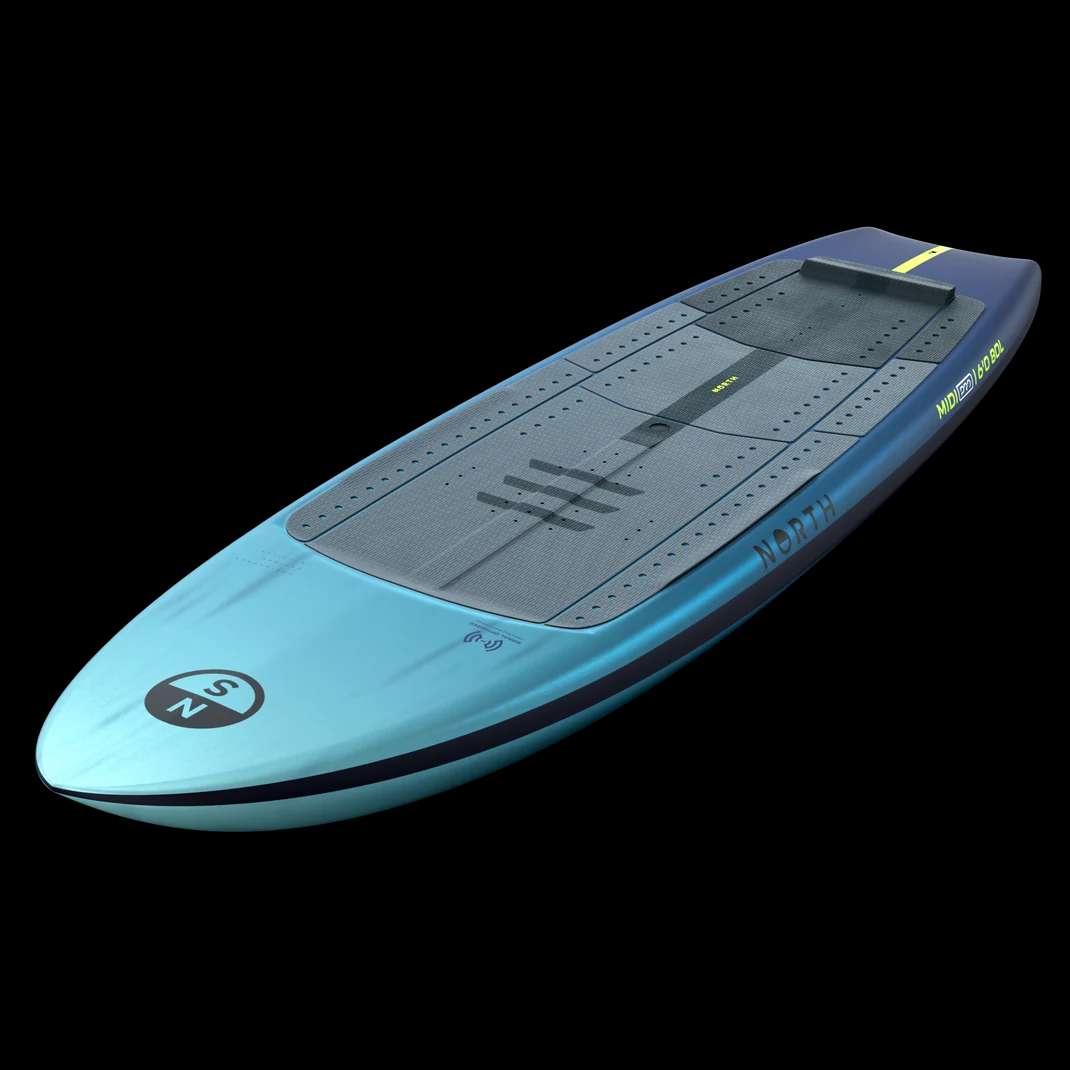
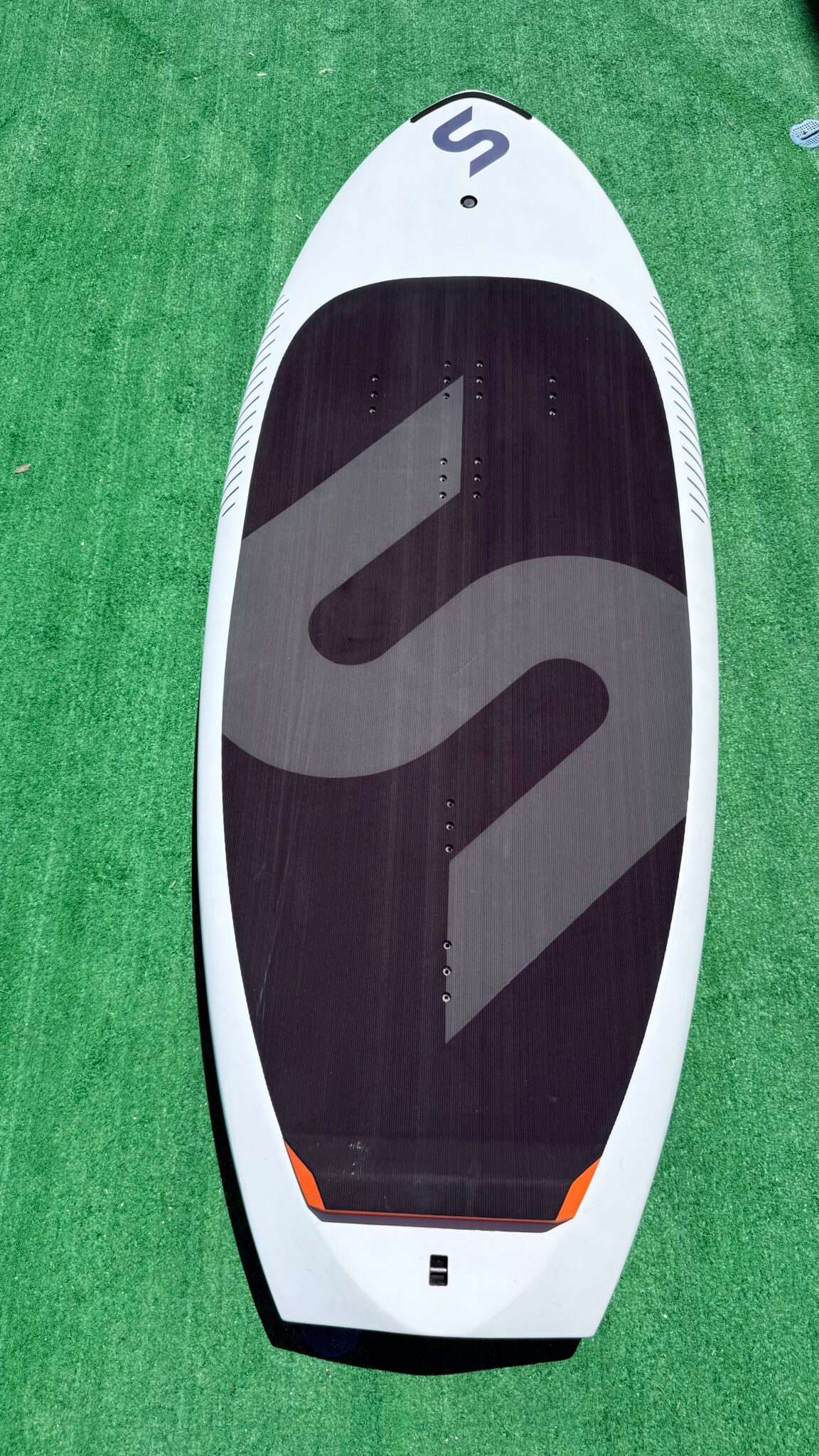
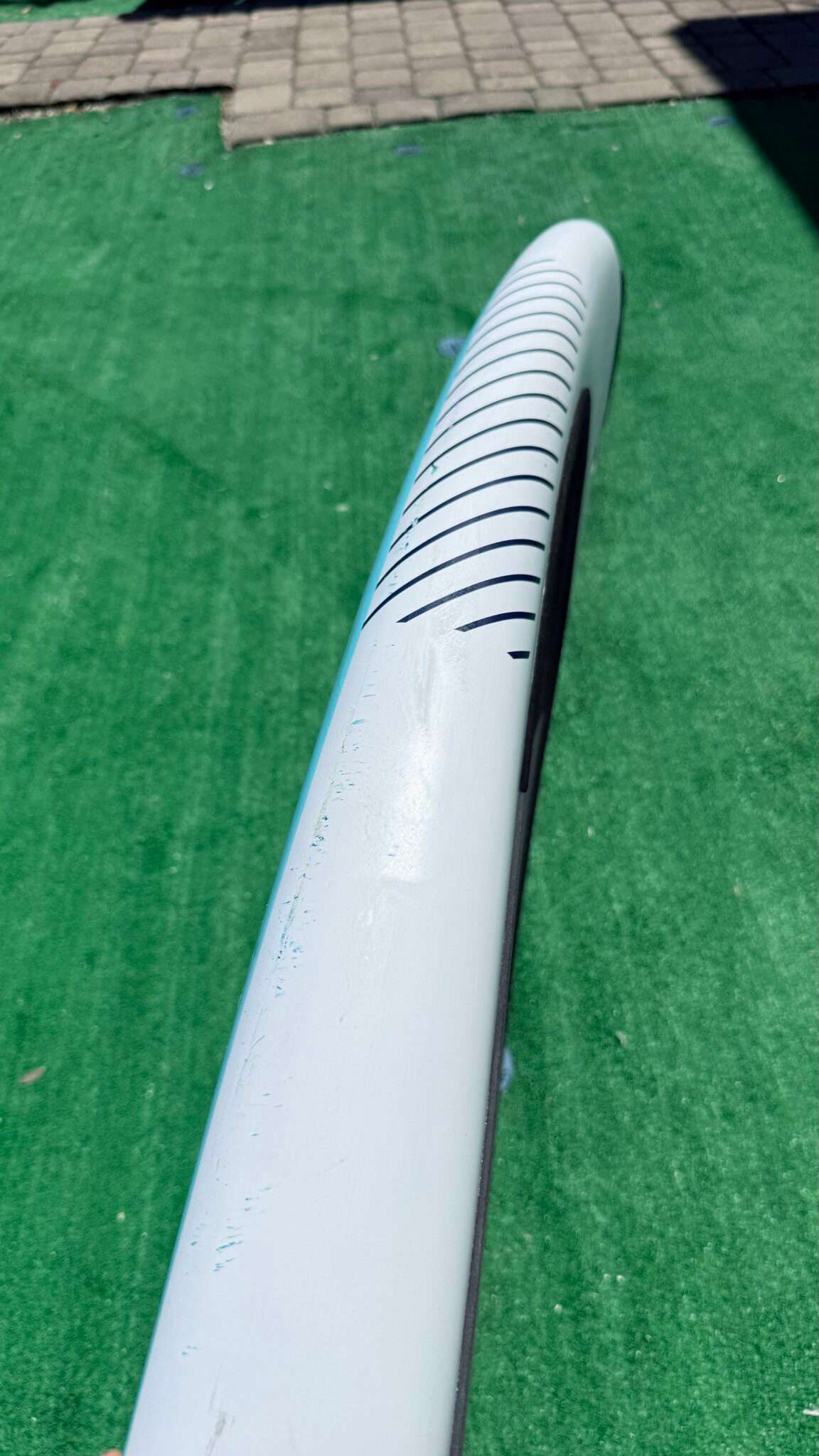
- Keep your board. It is your float and your paddle.
- Flag or roll the wing so it does not fill with wind or tangle.
- Wrap the lines neatly and secure them to the wing or your harness.
- Kneel or sit on the board and paddle with your hands or the wing.
- Angle across the current, not straight into it.
- Signal for help if you see a boat or someone on shore.
If the wing is damaged
Deflate the wing if it is dragging or taking on water, roll it up and secure it to the board. Do not abandon the board to chase the wing. A wing can be replaced; a board is your best flotation.
If you are caught in a current
Do not fight it head-on. Angle across the current toward the nearest shore or eddy, conserve energy and signal. If you are being carried toward a hazard, stay with the board and prepare to abandon the wing if necessary.
Signaling for help
Wave both arms, use a whistle, flash a phone light or mirror, and stay visible. If you have a phone, call the local emergency number and give your location, description and situation. Do not hang up until they confirm.
When to abandon gear
Only when your life is at risk. If the board is sinking, the current is pulling you under a structure or a boat is bearing down, let the gear go and focus on survival. Gear can be replaced.
After the session
Report the incident, check your gear for damage, and write down what happened. If the wind drop was forecast, adjust your limits. If the gear failed, inspect it before the next session.
Read wing foiling for beginners, review the common beginner mistakes, or book a lesson to practise self-rescue in controlled conditions.
Common questions
What do I do if the wind drops while wing foiling?+
Stay with your board, flag or roll the wing, wrap the lines and paddle on your knees. Angle across the current and signal for help. Do not swim away from the board.
Should I abandon my wing?+
Only if your life is at risk. The board is your flotation; the wing can be replaced. If the wing is dragging you, deflate it, roll it up and secure it to the board.
How do I self-rescue with a wing?+
Flag the wing, wrap the lines, kneel on the board and paddle. If the wind is still usable, you can hold the wing low and use it to assist, but do not rely on it in a lull.
What if I am caught in a current?+
Do not fight it head-on. Angle across the current toward the nearest shore or eddy, conserve energy and signal. Stay with the board.
How do I signal for help?+
Wave both arms, use a whistle, flash a phone light or mirror, and stay visible. If you have a phone, call emergency services and give your location and situation.
How do I prevent a self-rescue situation?+
Check the forecast, ride with a buddy, wear an impact vest, carry a phone, plan a downwind exit and know your limits. A lesson or a supervised session helps you practise the skills.
Filed from the beach — Foilsummit Journal